US-Iran War Enters Day 28 as Trump Extends Deadline and Lebanon Death Toll Surpasses 1,100
President gives Tehran until April 6 to reopen the Strait of Hormuz as Lebanon confirms more than 1,100 killed and 370,000 displaced since fighting began.

The US-Iran military conflict entered its 28th day Friday as President Trump extended his ultimatum to Tehran by ten days — now giving Iran until April 6 to reopen the Strait of Hormuz — while the humanitarian toll in Lebanon continued to mount at a staggering pace. The White House confirmed the deadline extension as Iran's response to an American peace proposal was expected to arrive by end of day Friday, with diplomatic back-channels reportedly active even as air strikes continued across multiple fronts.
The death toll in Lebanon has reached at least 1,110 people since fighting began on March 2, according to Lebanon's Ministry of Health, with 3,315 additional wounded. UNICEF reported Friday that 121 children have been killed and more than 370,000 civilians displaced across the country. Israel has sent a third military division across the Lebanese border and is planning to establish a security buffer zone extending up to the Litani River, approximately 30 kilometers from the Israeli frontier. The scale of destruction is drawing comparisons to the most destructive phases of the 2006 Lebanon war, with civilian infrastructure bearing the brunt of ongoing strikes.
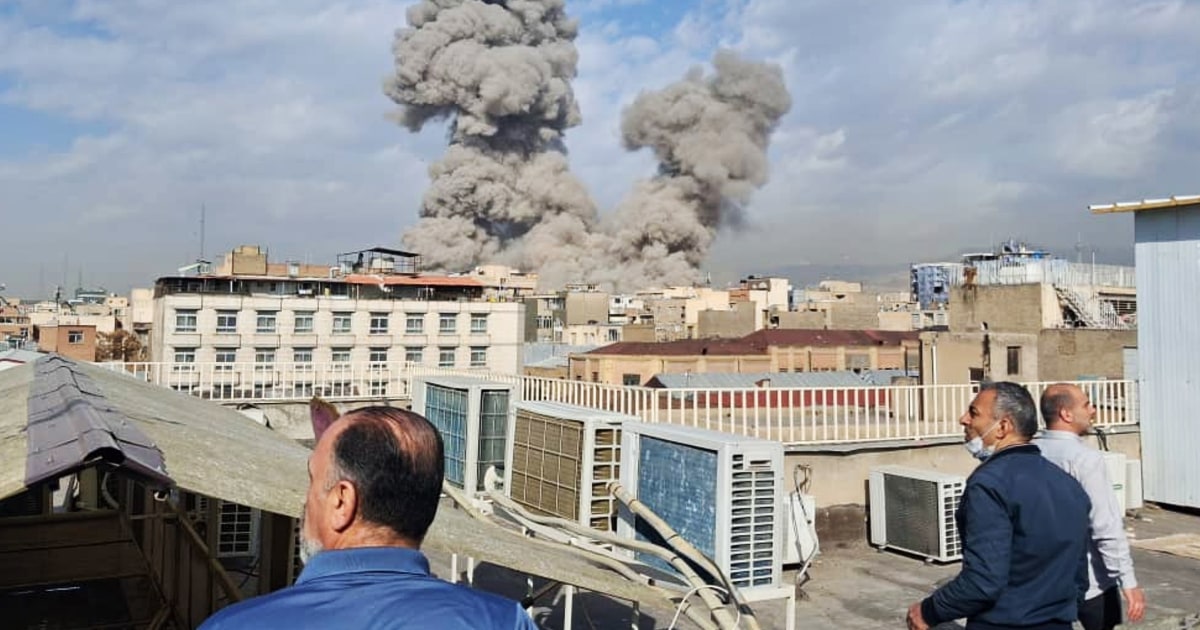
On the Iranian front, the Israeli Air Force has struck targets across 20 of Iran's 32 provinces, with structural damage assessed at approximately 82,000 civilian buildings. Israel struck Iran's Arak heavy water reactor this week in what military analysts described as one of the most significant single strikes of the conflict. American forces at Prince Sultan Air Base in Saudi Arabia came under Iranian attack, leaving 10 US service members injured. The Pentagon has confirmed at least 13 US military personnel killed and more than 230 wounded since fighting began on March 1. Secretary of State Marco Rubio, speaking after departing a Group of 7 meeting in France, told reporters the conflict would end "in a matter of weeks" and would not require American ground troops.
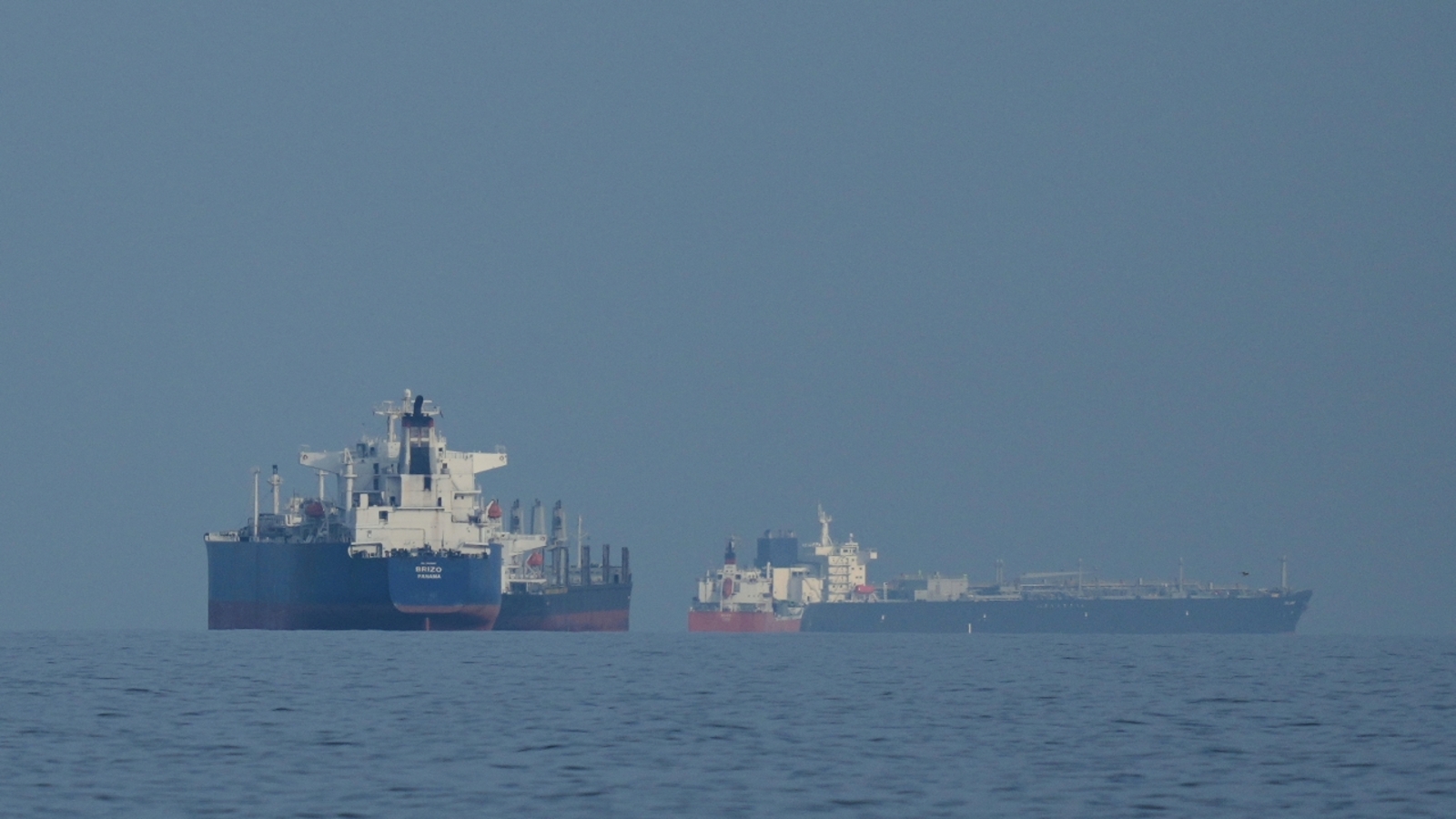
The Pentagon is developing what officials describe as "final blow" options targeting Kharg Island, Iran's primary oil export terminal handling roughly 90 percent of the country's petroleum exports. The 82nd Airborne Division — approximately 2,000 soldiers — has received deployment orders, even as Trump publicly emphasizes his preference for a negotiated settlement. Iran's Revolutionary Guard Corps has set up what shipping industry insiders describe as a de facto toll booth in the Strait of Hormuz. At least two commercial vessels have paid fees denominated in Chinese yuan to pass through the critical waterway, according to Lloyd's List. President Trump said approximately 10 vessels, allegedly flagged by Pakistan, were permitted passage Friday.
The partial blockade of the Strait of Hormuz — through which roughly 20 percent of global oil supply flows — has driven Brent crude above $110 per barrel, triggering emergency responses across Asia and beyond. Japan began releasing oil from state reserves. South Korea declared an emergency economic response. The Philippines announced a state of emergency, warning it has only 40 to 45 days of petroleum supply remaining. The UAE intercepted 15 ballistic missiles and 11 drones fired toward its territory, while Saudi Arabia intercepted 36 drones targeting its Eastern Province, where major oil infrastructure is concentrated.
The broader economic fallout from the conflict hit Wall Street hard on Friday, with the Dow Jones Industrial Average falling 793.47 points — a drop of 1.73 percent — while the S&P 500 declined 1.67 percent to its lowest point in seven months. The Nasdaq fell 2.15 percent. The S&P 500 is now down approximately 6.8 percent for the month of March, on pace for its worst monthly performance since December 2022. With diplomatic talks ongoing but no ceasefire in sight, financial markets and allied governments are watching the April 6 deadline with growing anxiety.