UN Warns of Looming Global Food Crisis as Iran Blockade Chokes Off 20-30% of World Fertilizer Supplies
The FAO's chief economist said the window to prevent a 'perfect storm' is closing as planting seasons approach and nitrogen fertilizer critical to staple crop production backs up in ports.

The United Nations Food and Agriculture Organization issued an urgent warning Monday that the world is heading toward a food crisis unless the Strait of Hormuz is reopened quickly, as the U.S. military blockade of Iranian ports adds new pressure on supply chains already strained by seven weeks of war. FAO Chief Economist Máximo Torero said that 30 to 35 percent of global crude oil, 20 percent of natural gas, and 20 to 30 percent of critical fertilizers are currently unable to transit the strait — a chokepoint through which roughly a fifth of the world's seaborne energy and a significant share of agricultural inputs normally flow. "The clock is the key," Torero said. "Let's avoid a perfect storm — be aware of the risks, put the right policies in place and pursue the diplomatic solutions needed to avert a food crisis we do not need."
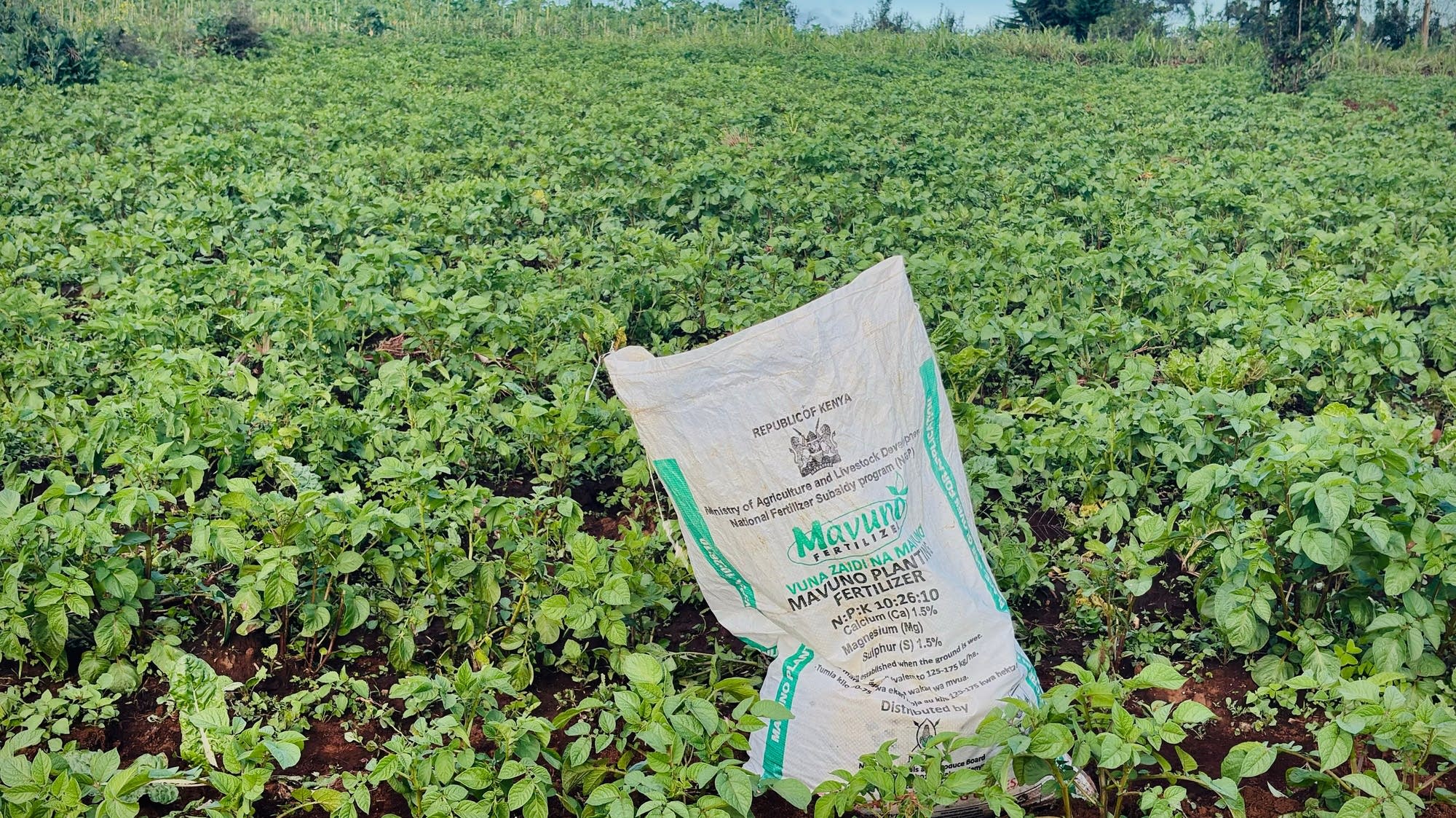
The FAO's warning comes as the planting season for key northern hemisphere crops is approaching its critical window. Nitrogen-based fertilizers, which depend on natural gas as a feedstock, are in tight supply as gas tankers avoid the region. Phosphate and potash shipments from Gulf producers are also backing up in port, unable to move to markets in Asia and Africa that import heavily through the strait. FAO Director for Agrifood Economics David Laborde cautioned that while global food stocks built up during periods of more normal trade would buffer prices in the short term, "the world is entering a phase where supplies could begin to tighten" if the disruption persists through the planting window.
Oil prices surged above $104 per barrel Monday after the blockade took effect, with Brent crude up more than 40% since the war began on February 28. Higher fuel prices increase the cost of farming machinery, food transportation, and food processing, cascading through supply chains in ways that tend to disproportionately affect lower-income countries and the world's poorest households. The FAO's March Food Price Index showed only modest increases — largely because existing global stocks have absorbed the initial shock — but Torero said the agency's models indicate a sustained closure of the strait could push food prices sharply higher in the second half of 2026.
The countries most at risk are those in sub-Saharan Africa, South and Southeast Asia, and parts of the Middle East that rely heavily on imported fertilizers and food commodities that transit through the strait or are priced in oil-linked markets. Egypt, Pakistan, Bangladesh, and several East African nations import more than 30% of their caloric needs, and many have limited foreign exchange reserves to absorb price spikes. The UN World Food Programme warned separately that it was monitoring its operational capacity in more than a dozen countries where food assistance costs were rising faster than available funding.
Diplomatic efforts to reopen the strait are underway through multiple channels. French President Emmanuel Macron has announced a conference to organize a multinational freedom-of-navigation mission, while British Prime Minister Keir Starmer has signaled London's willingness to lead such a force. China, which sources a large share of its oil imports through the strait, has called for an immediate halt to all military activities in the Hormuz region and offered to host mediation talks between the United States and Iran. The FAO is coordinating with the Group of 20 to establish emergency fertilizer stockpile-sharing arrangements and fast-track customs clearances that could partially offset supply disruptions if the crisis deepens.