Ukraine Running Out of War Funds by June as EU Aid Remains Blocked by Hungary
Without a breakthrough in the coming weeks, Kyiv could exhaust its ability to fund defense and government services, while a critical 90 billion euro EU loan package remains frozen by a Hungarian veto.

Ukraine faces a severe financial crisis that could paralyze its war effort as soon as June, with Western aid trapped in political gridlock and Kyiv burning through roughly three billion euros a month to keep its military and government functioning. The bleak assessment came from Ukrainian officials and international analysts who told Bloomberg and the European Parliament this week that without a rapid infusion of foreign financing, the country could be forced to make impossible choices between paying soldiers and paying pensioners.
The funding crisis has been years in the making but has accelerated sharply since President Trump's return to the White House in January 2025. The United States, formerly Ukraine's largest donor, has effectively halted financial assistance. The Pentagon recently notified Congress of plans to redirect approximately $750 million from a NATO-provided program — known as PURL — back to U.S. military inventories rather than dispatching it to Ukrainian forces. The move has infuriated European allies and raised fresh questions about Washington's long-term commitment to Ukraine's defense.
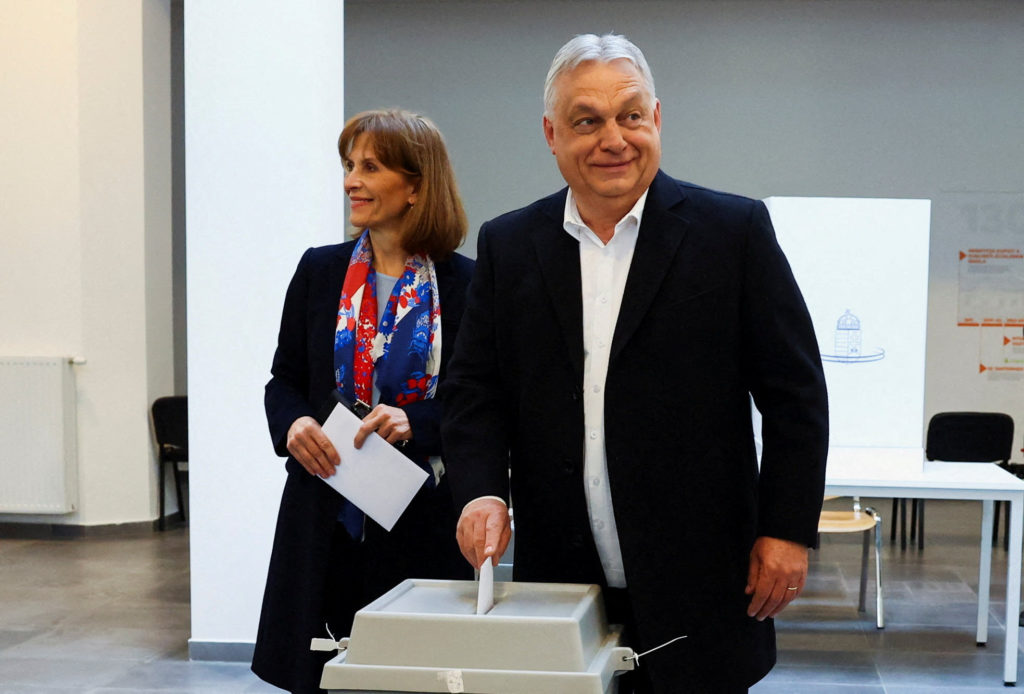
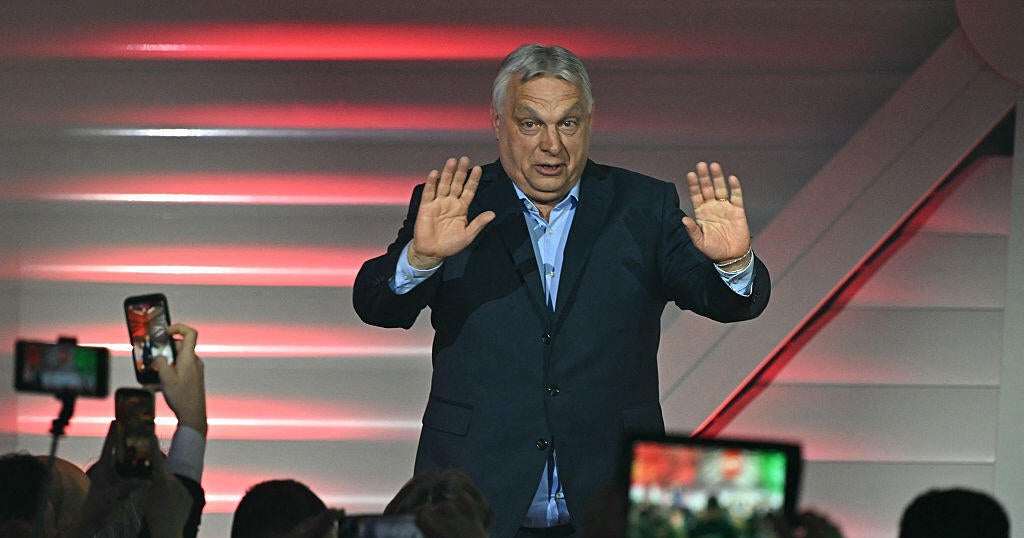
Europe has attempted to fill the gap, but the main vehicle for near-term relief — a 90 billion euro loan package backed by European Union member states — remains frozen because of a veto by Hungarian Prime Minister Viktor Orbán. Hungary has conditioned its support on the restoration of Russian gas shipments through the Druzhba pipeline, which Kyiv suspended after its gas transit agreement with Russia expired in late 2024. The European Parliament passed a non-binding resolution urging the release of the funds, but EU treaty rules require unanimity, and Orbán has shown no sign of relenting.
Ukraine's estimated 2026 to 2027 budget deficit stands at between $61 billion and $63 billion, a figure that assumes continued foreign borrowing and grants. Without new commitments, analysts said Ukraine's central bank would eventually need to print money to cover government salaries and social services, a path that risks triggering hyperinflation. The hryvnia has already weakened against the euro in recent weeks as reports of the funding shortfall circulated in financial markets.
The scale of destruction underlying Ukraine's financial plight is staggering. The World Bank's latest estimate puts reconstruction costs at $588 billion — nearly double the $349 billion figure calculated in June 2022, just months after Russia's full-scale invasion. Even if active hostilities stopped tomorrow, rebuilding the country's infrastructure, housing stock, and industrial base would require decades of sustained international investment at levels that dwarf most previous foreign aid programs in history.
Zelensky's government has been pressing European capitals and the International Monetary Fund to approve emergency disbursements to tide Ukraine over until a broader agreement on long-term financing can be reached. During a visit to Saudi Arabia last week, Zelensky signed a bilateral defense cooperation agreement that includes financial elements, though the deal falls far short of what Kyiv needs to close its budget gap. The European Commission said it was exploring emergency mechanisms that might allow it to act without Hungarian approval, but legal experts cautioned that any such workaround would face immediate political and judicial challenges.
For Ukraine's soldiers and civilians, the funding crisis arrives at a particularly dangerous moment. Russia launched its largest drone attack of the war earlier this week — 948 drones in a single 24-hour period — as Moscow's spring offensive intensifies. Ukrainian commanders have warned that ammunition shortfalls are already affecting their ability to hold defensive lines in Kharkiv and Donetsk. Military analysts say that financial pressure compounding physical attrition could, if left unaddressed, tilt the battlefield balance in ways that no amount of European diplomatic activity can reverse.