Ukraine Seizes 380 Square Kilometers After Musk Cuts Russian Forces Off From Starlink — Its Biggest Gains in Two Years
After SpaceX implemented a whitelist system in February that disabled Starlink terminals used by Russian troops, Ukraine's military exploited the resulting communications blackout to recapture territory across Zaporizhzhia and Dnipropetrovsk regions.
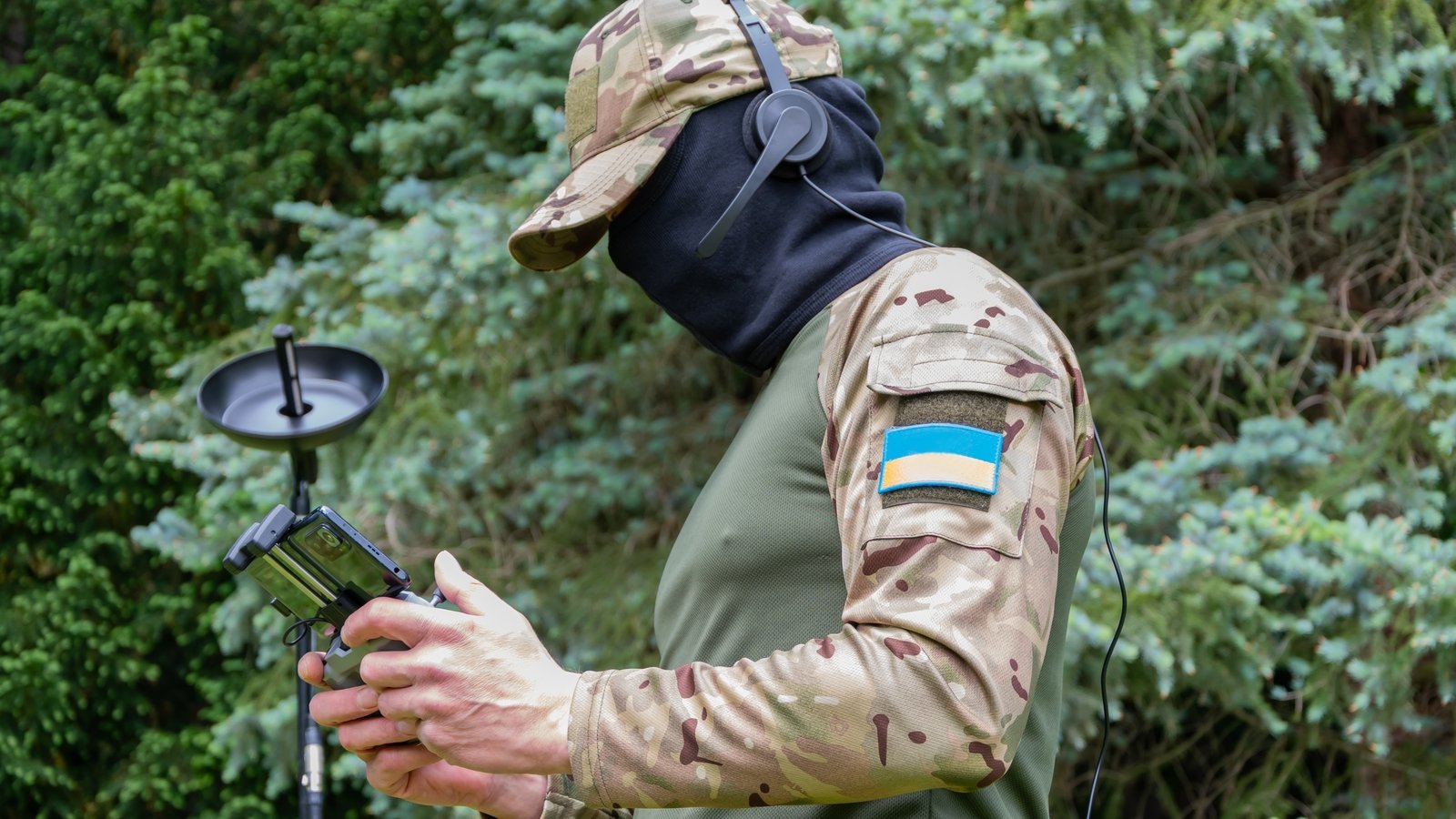
Ukraine has reclaimed approximately 380 square kilometers of occupied territory over the past six weeks, its biggest sustained territorial gain since early 2024, after SpaceX cut off Russian military forces from Starlink satellite internet access by implementing a whitelist verification system in early February. The move crippled Russia's battlefield coordination in two critical sectors and created a rare opening for Ukrainian forces to go on the offensive across the Zaporizhzhia and Dnipropetrovsk regions. NATO officials and independent analysts have called the impact of the Starlink cutoff among the most tactically significant developments of the conflict since Russia's full-scale invasion in February 2022.
Russia had been operating thousands of Starlink terminals in occupied Ukrainian territory, using the satellite internet access for real-time battlefield coordination, drone targeting, and logistics communications. Russian forces had exploited vulnerabilities in Starlink's access control systems to connect unauthorized terminals, circumventing SpaceX's official restrictions on service in Russia. SpaceX's decision to implement a strict whitelist system — requiring explicit authorization for each terminal that can access the network — effectively disabled communications for Russian units that depended on Starlink for battlefield internet connectivity. Andrey Medvedev, deputy chairman of the Moscow City Duma, acknowledged the impact publicly, saying planned Russian strikes against Ukraine were stopped and a 'crisis on the frontlines' emerged as troops lost communications they had relied upon for coordination.
Ukrainian forces advanced primarily in the Zaporizhzhia region, recapturing territory that Russian forces had held for over a year, according to battlefield analysis from the Institute for the Study of War. The gains in Dnipropetrovsk were similarly significant, with Ukrainian troops exploiting the communications disruption to maneuver more freely in areas where Russian drone surveillance and artillery coordination had previously made offensive action extremely costly. Ukrainian commanders described the ability to move without being immediately detected and targeted by Russian artillery as a dramatic shift from the grinding, attritional warfare that had characterized the front lines for most of the past year. Ukrainian infantry units reported being able to advance hundreds of meters without the instant drone-guided artillery response that had pinned them down for months.
The Starlink development has reinvigorated discussion about the role of commercial satellite communication in modern warfare and the extraordinary power private companies now exercise over military outcomes. A Foreign Policy analysis noted that Musk's ability to alter the military balance of a major conflict by adjusting access controls on a commercial communications network represents 'the privatization of geopolitics' — a development with profound implications for how future conflicts will be fought and who exercises decisive influence over them. Congress has held preliminary hearings on whether companies providing critical communications infrastructure used in armed conflict should face greater oversight and accountability for how they exercise that power. The hearings revealed that multiple U.S. allies have become significantly dependent on commercial satellite communications with no equivalent alternative available in the short term.
The territorial gains have provided a significant psychological boost for Ukraine after months of difficult defensive fighting, though military analysts caution that the window created by the Starlink disruption may be temporary. Russia has been rapidly acquiring alternative communications systems from China, North Korea, and domestic satellite providers, while Russian electronic warfare units are reportedly deploying enhanced signal-jamming equipment designed to degrade Ukrainian drone operations. Ukrainian President Volodymyr Zelensky praised the advances publicly but warned that continued international military aid remained essential for sustaining momentum. The U.S. and European allies have debated the appropriate pace of additional arms deliveries as the Iran conflict has absorbed significant diplomatic and military attention in Washington, with some European NATO members stepping up bilateral support to help bridge any gaps.