No Russia-Ukraine Ceasefire as March 31 Deadline Passes — Fighting Intensifies in Kharkiv and Donetsk
US-brokered talks are on hold as Washington's attention has shifted entirely to the Iran conflict, leaving Ukraine's fourth year of full-scale war with no diplomatic offramp in sight and Russian offensives continuing on two fronts.

The March 31, 2026 deadline that Western officials and prediction markets had flagged as a potential turning point in the Russia-Ukraine war has come and gone with no ceasefire agreement in place. As of Monday morning, fighting continued along the eastern front in Kharkiv and Donetsk, Ukrainian drones struck Russian energy infrastructure for the third consecutive week, and Polymarket prediction markets placed the odds of a ceasefire before month's end at near zero.
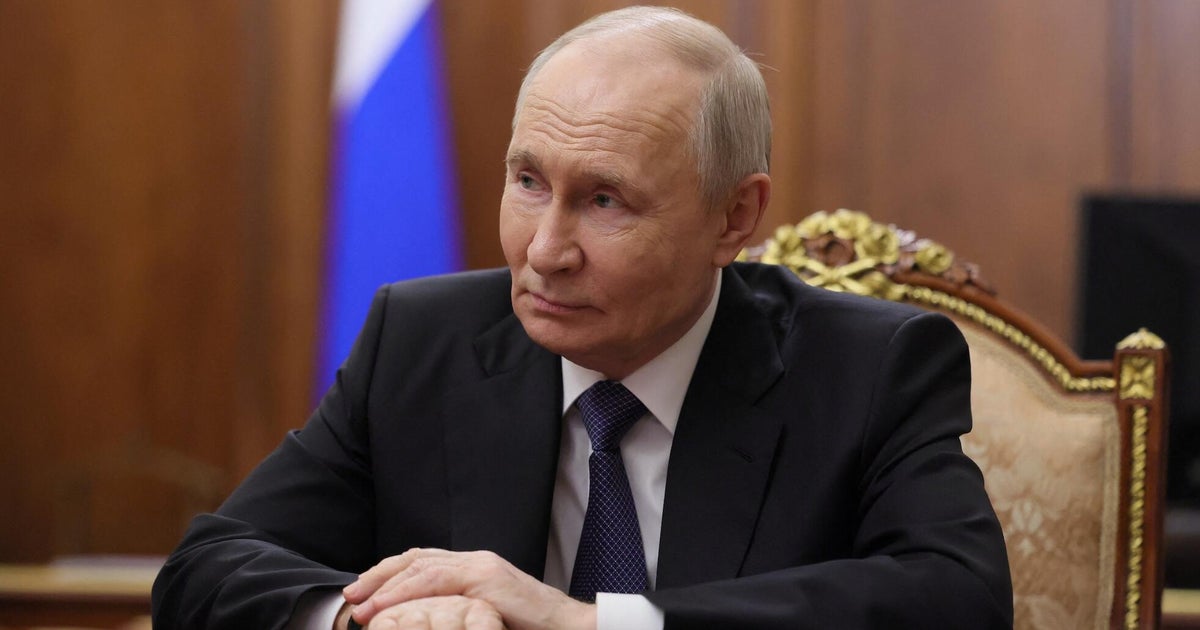
The United Nations General Assembly adopted a resolution last week demanding an "immediate, full, and unconditional" ceasefire — the latest in a series of such resolutions that Russia has ignored or dismissed as non-binding. The European Council, meeting on March 19, similarly called on Moscow to halt hostilities and engage in "meaningful negotiations." Neither statement produced a response from the Kremlin beyond a restatement of its longstanding preconditions: international recognition of Russia's seized Ukrainian territories, additional land cessions, guarantees that Ukraine will not join NATO, and the withdrawal of allied peacekeeping proposals.
US-brokered peace talks, which had generated brief optimism earlier in March, appear to be on indefinite hold. Washington's diplomatic bandwidth has been consumed by the US-Israel war on Iran, now in its fifth week, and officials from both the State Department and the National Security Council have been largely absent from Ukraine-related diplomatic forums. Ukrainian President Volodymyr Zelenskyy, speaking at a security conference in Abu Dhabi last week, said he was "not surprised" that American attention had shifted but warned that a prolonged absence from the peace process would embolden Moscow.
On the battlefield, Russian forces launched coordinated offensives in Kharkiv Oblast and the Donetsk region during March 25 and 26, making incremental advances in at least two villages before Ukrainian counterattacks stalled their progress. Ukraine's Navy confirmed shooting down a Russian Ka-27 helicopter over the Black Sea, and both sides exchanged 200 prisoners of war in a swap brokered by the International Committee of the Red Cross. Ukrainian drone strikes on the Novorossiysk oil terminal caused a fire that took two days to extinguish, disrupting Russian fuel exports at a time when global energy markets are already under extreme pressure from the Strait of Hormuz crisis.
The diplomatic picture has grown more complicated by Ukraine's own calculus. Zelenskyy has been quietly courting Gulf state defense agreements, focusing particularly on missile and drone defense capabilities, in anticipation of a prolonged conflict. He has also appealed to European nations to accelerate deliveries of long-range precision munitions, arguing that Russia's battlefield advances are directly linked to ammunition supply constraints on the Ukrainian side.
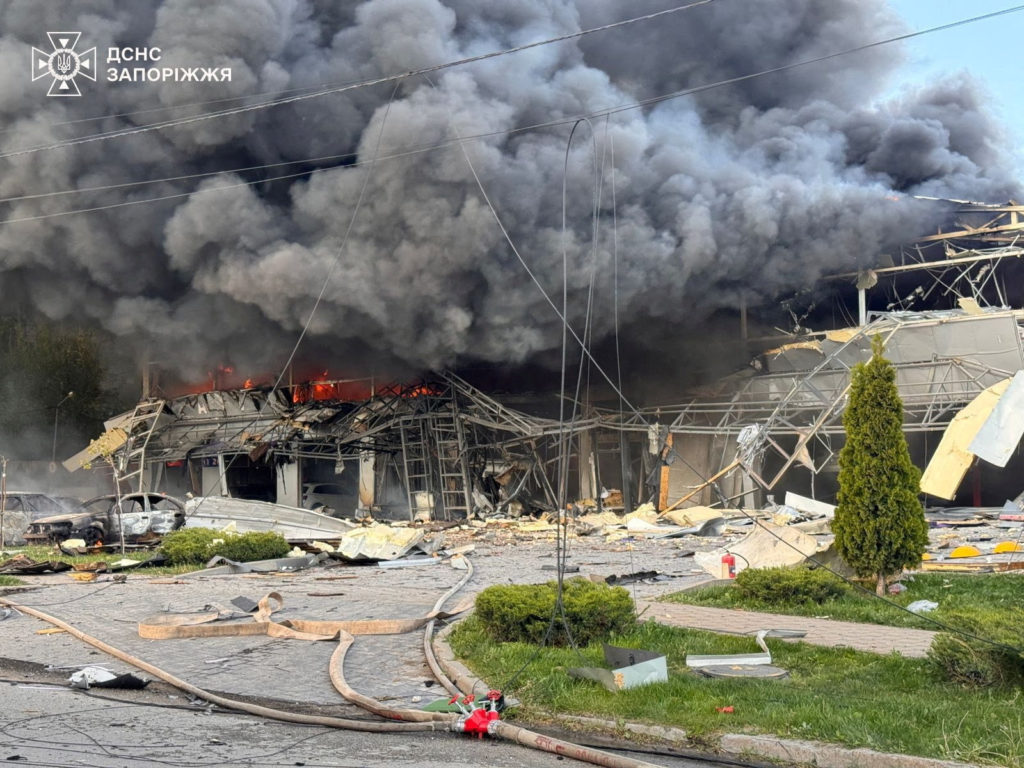
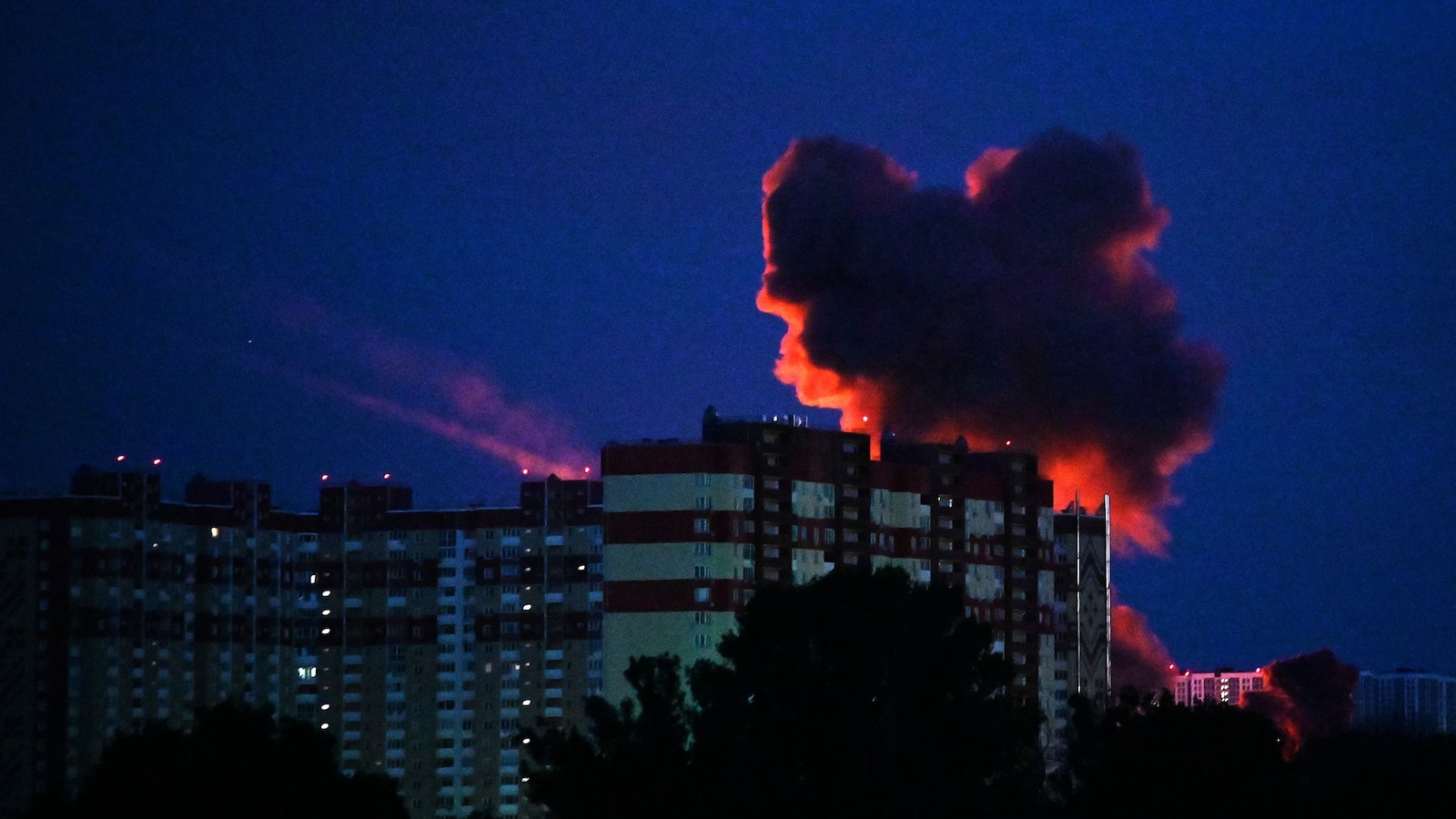
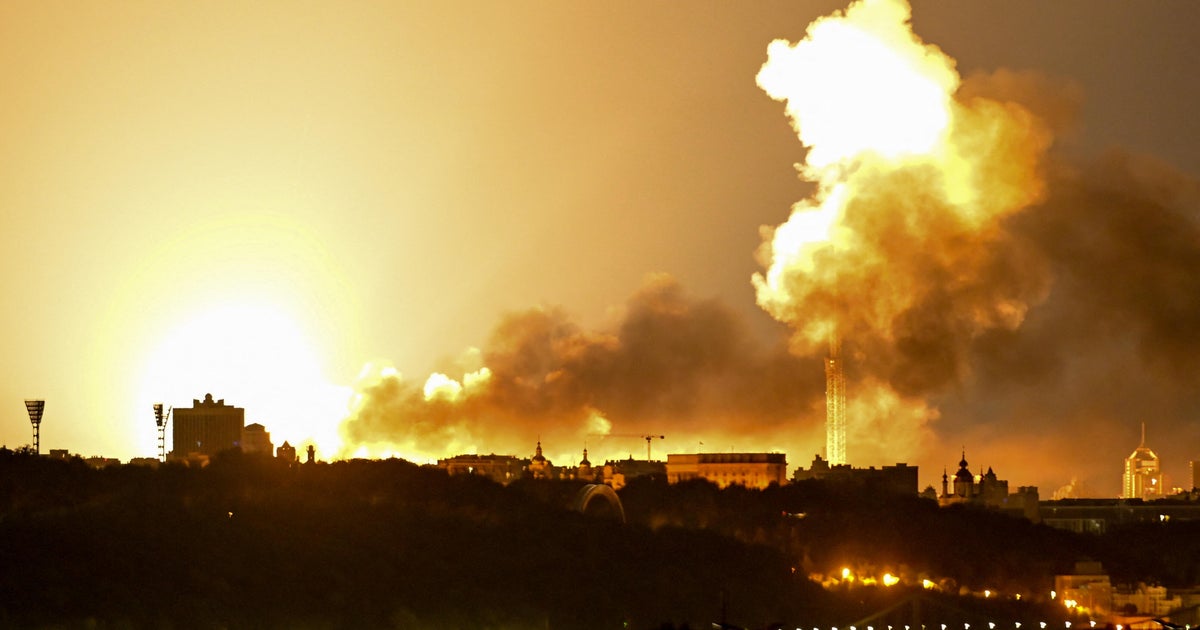
For ordinary Ukrainians, the fourth anniversary of the full-scale invasion passed in late February with no tangible path to peace on the horizon. In Kyiv, air raid sirens continued to interrupt daily life. In front-line cities like Kharkiv and Zaporizhzhia, residents have adapted to a grim normality of shelters, blackouts, and the distant percussion of artillery. Aid organizations report that civilian infrastructure repairs in recently liberated areas of southern Ukraine have been repeatedly set back by fresh Russian drone attacks.
Analysts at the International Crisis Group noted this week that the window for a negotiated settlement may be narrowing as both sides recalibrate their military strategies for the spring campaign season. Russian forces are expected to attempt further advances before the spring thaw turns eastern Ukraine's roads to mud. Ukraine, for its part, has signaled plans for a major counteroffensive in the south, contingent on the delivery of promised Western armor.