U.K. Puts Chagos Islands Deal on Hold Following Criticism From Trump
The plan to give Mauritius formal control of the islands, home to a U.S.-British military base, was called "an act of great stupidity" by President Trump.
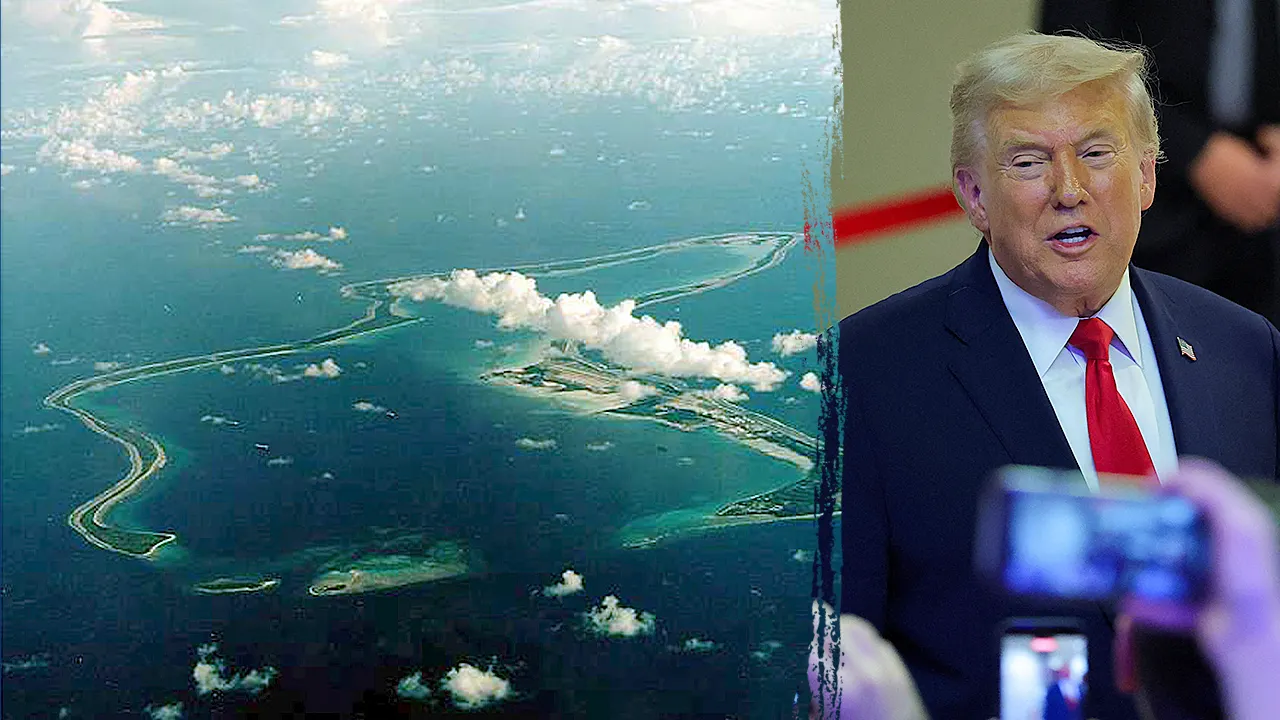
The United Kingdom has placed its controversial agreement to transfer sovereignty of the Chagos Islands to Mauritius on indefinite hold following sharp criticism from President Donald Trump, who denounced the deal as "an act of great stupidity." The decision marks a significant diplomatic reversal for the British government and highlights growing tensions between London and Washington over strategic military assets in the Indian Ocean.
The original agreement, negotiated under the previous British government, would have given Mauritius formal control over the archipelago while maintaining joint U.S.-British operation of the critical military base on Diego Garcia. The facility serves as a crucial staging ground for American military operations across the Indian Ocean region and has been described by defense officials as irreplaceable for power projection in the area. The base has played key roles in operations ranging from the wars in Iraq and Afghanistan to current tensions with China in the South China Sea.
Trump's administration has made clear that it views the transfer as a potential threat to American strategic interests, arguing that Mauritius lacks the capability to adequately secure the islands and could be vulnerable to Chinese influence. Administration officials have privately expressed concerns that Beijing could eventually gain access to intelligence about U.S. military operations or even establish its own presence in the region through diplomatic pressure on Mauritius. These fears reflect broader American anxieties about China's growing influence in the Indian Ocean through its Belt and Road Initiative.
The Chagos Islands dispute has deep historical roots, stemming from Britain's decision in the 1960s to forcibly relocate the indigenous Chagossian population to make way for the military base. Mauritius has long claimed sovereignty over the islands, arguing that Britain illegally retained control when Mauritius gained independence in 1968. International courts have supported Mauritius' claims, creating diplomatic pressure on Britain to resolve the issue while maintaining military access.
British officials now find themselves caught between international legal obligations, pressure from their most important military ally, and domestic political considerations. The pause in negotiations reflects the complex challenge of balancing historical justice for displaced populations, international law, and contemporary security concerns. The resolution of this dispute will likely have lasting implications for U.S.-British military cooperation and could set precedents for how historical colonial issues are resolved in the context of modern strategic competition.