UK Leads 40-Nation Coalition to Reopen Strait of Hormuz as Iran Vows 'Forceful Response' to U.S. Blockade
Britain is coordinating NATO allies and partner nations on escort missions through the critical oil chokepoint while publicly distancing itself from America's blockade-and-eliminate strategy.
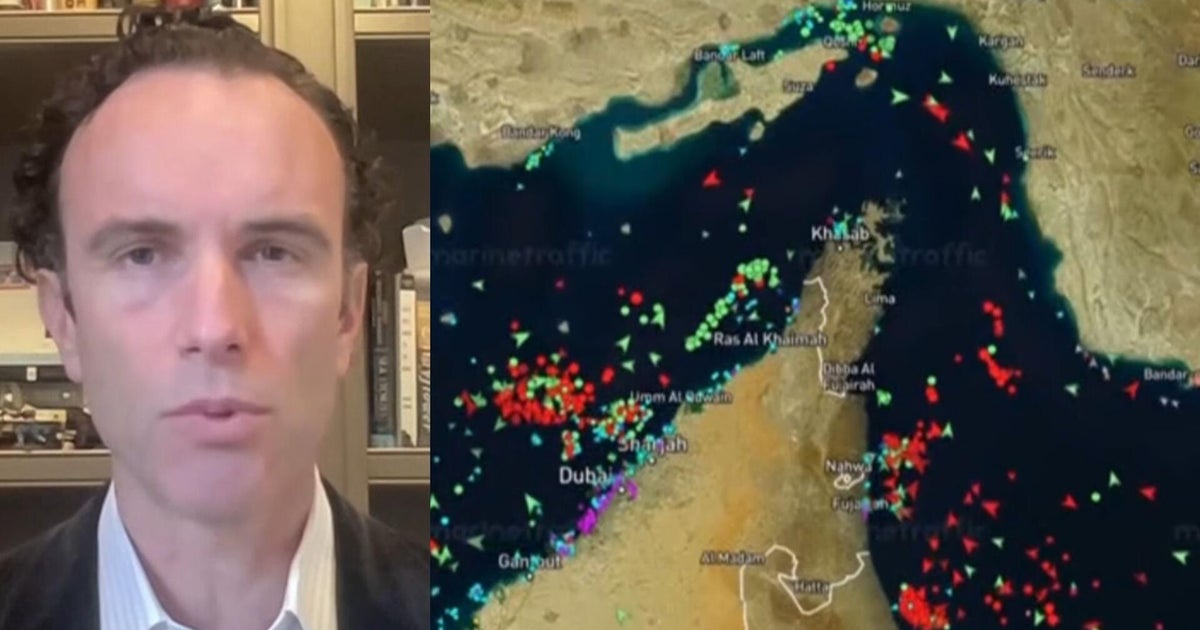
Britain is coordinating a coalition of more than 40 nations, many of them NATO members, to reopen the Strait of Hormuz to commercial shipping following the collapse of U.S.-Iran peace talks and the implementation of America's naval blockade — even as London distances itself publicly from the blockade strategy itself. A senior NATO military official confirmed to CBS News on Monday that the UK is "leading planning efforts of a coalition comprised of more than 40 nations from around the world" to protect freedom of navigation through the critical waterway. France has deployed two frigates under its Operation Aspides to escort merchant vessels, while Germany and Italy are contributing assets to the broader effort.
The British government moved carefully on Monday to distinguish its approach from Washington's. A UK government spokesperson told CBS News that London "continues to support freedom of navigation" but would not participate in the American blockade of Iranian ports. The distinction is significant: while the U.S. blockade is designed to strangle Iran's economy by cutting off its ports entirely, the British-led coalition aims more narrowly to escort commercial ships through the strait without endorsing the broader American punitive strategy. Diplomats in London described the coalition as an attempt to manage the economic damage of the crisis rather than to back Washington's escalatory posture.
France, which has been among the most outspoken critics within NATO of the Trump administration's handling of the Iran conflict, issued a joint statement with the UK calling for "emergency multilateral talks to restore freedom of navigation." French officials privately expressed frustration at Washington's decision to implement the blockade without adequate consultation with allies, according to European diplomatic sources. Germany called for an immediate ceasefire and offered to host fresh negotiations in Berlin. The European Union issued a statement warning that the sustained closure of the Strait of Hormuz threatens to destabilize global energy markets in ways that will disproportionately harm the world's most vulnerable economies.
Iran's foreign ministry warned that any foreign naval presence aimed at challenging Iranian control of the strait would be met with a "forceful response," while accusing the coalition of being a tool of American imperial policy. IRGC commanders said their forces were monitoring all naval movements in the region and that any attempted escalation would be met "at the source." India, which has deployed five warships under its own Operation Urja Suraksha to escort Indian-flagged vessels, has been careful to position its involvement as protection of Indian commercial interests rather than alignment with either Washington or the European coalition — a distinction that reflects New Delhi's longstanding policy of strategic autonomy.
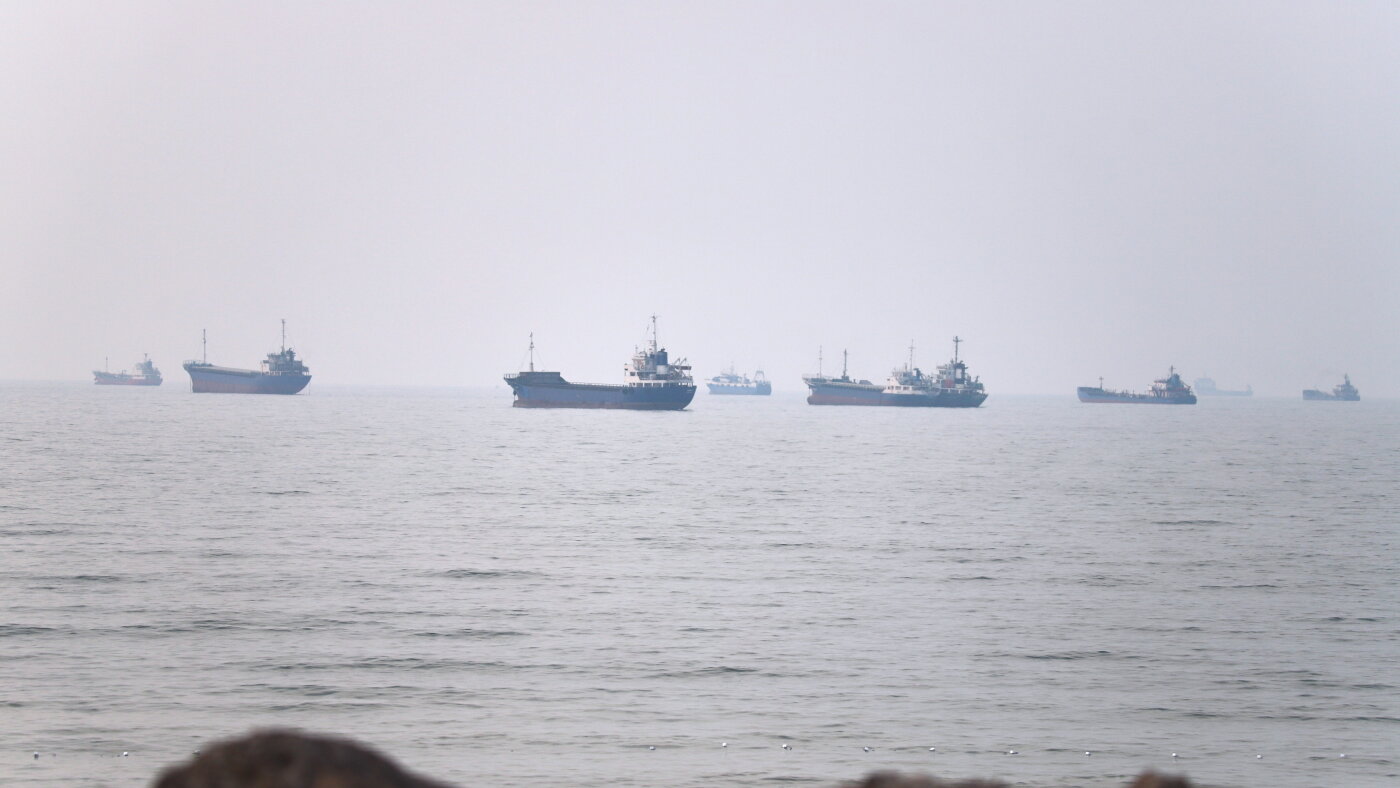
Energy market analysts said the coalition's ability to actually move oil tankers through the strait would depend heavily on whether Iran chooses to enforce its threats against non-American vessels. Some analysts expressed cautious optimism that Iran might allow European-escorted vessels to pass as a way of distinguishing between the broader international community and the specific American-Israeli military operations that sparked the crisis. Others warned that any incident involving a European or Indian warship could rapidly widen the conflict. With oil prices above $100 per barrel, global stock markets jittery, and more than 150 tankers anchored outside the strait, the success or failure of the British-led coalition in restoring maritime commerce may prove to be one of the most consequential diplomatic tests of 2026.