UK Assembles 40-Nation Coalition to Reopen Strait of Hormuz — Without the United States
Foreign Secretary Yvette Cooper convened a virtual emergency summit with over 40 countries after Trump declared reopening the Strait 'not America's responsibility,' demanding Iran stop 'holding the global economy hostage.'

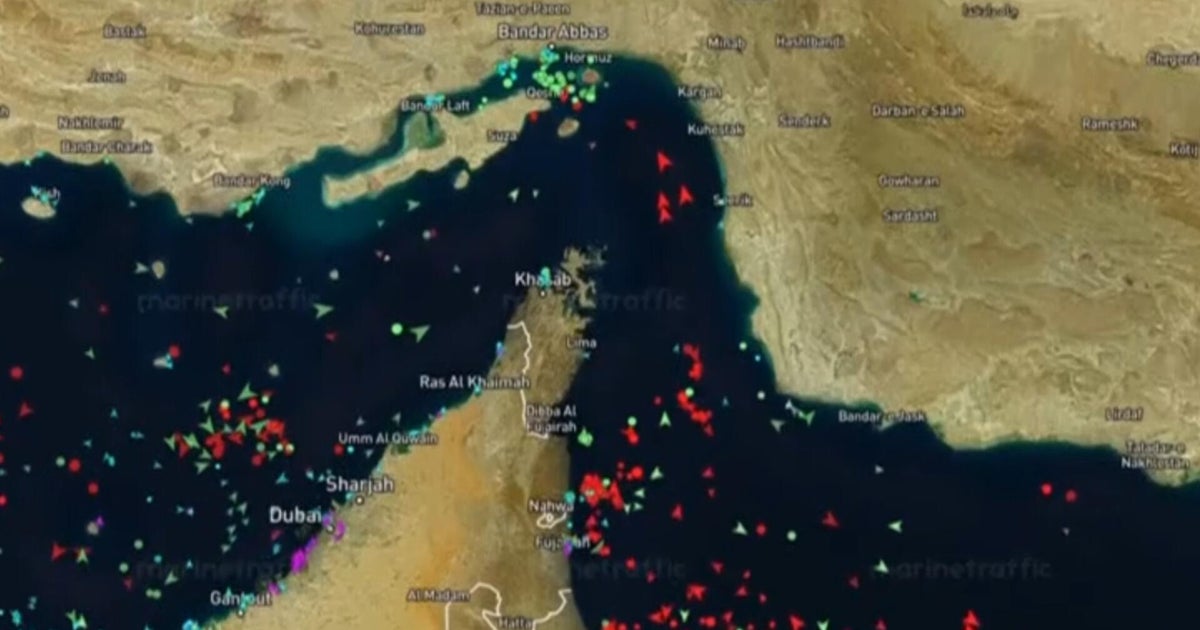
British Foreign Secretary Yvette Cooper on Thursday convened an emergency virtual summit of more than 40 countries to discuss how to reopen the Strait of Hormuz, the vital 21-mile-wide waterway through which roughly 20 percent of the world's traded oil and liquefied natural gas normally flows. The meeting — held pointedly without the United States — marked one of the most striking diplomatic moments of the five-week Iran conflict: a major American ally openly coordinating with the international community to address a crisis the Trump administration has declined to lead.
Cooper opened the summit with a direct condemnation of Iran, declaring that Tehran had "hijacked an international shipping route to hold the global economy hostage." The Foreign Secretary warned that oil price spikes were "hitting households and businesses in every corner of the world" and described the coalition's formation as demonstrating "the strength of our international determination" to restore freedom of navigation. Participating nations included France, Germany, Italy, Canada, Japan, the United Arab Emirates, Australia, South Korea, and more than 30 others. All signed a joint statement demanding that Iran cease its blockade and pledging to "contribute to appropriate efforts to ensure safe passage" through the waterway.
The United States' absence was both conspicuous and deliberate. President Trump said earlier in the week that reopening the Strait of Hormuz was "not America's responsibility" and called on other nations to step up. British officials structured the summit specifically as a multilateral effort independent of Washington, and the White House was not invited to participate. Foreign Policy reported that European diplomats privately viewed Trump's posture as an opening to assert international leadership outside the American-dominated framework that has characterized Western security policy since World War II. For the UK, which has been seeking to rebuild multilateral credibility since Brexit, the summit represented a significant diplomatic initiative.
The British Ministry of Defence will hold a follow-up military planning session next week with many of the same participants to discuss what a multinational maritime escort force might look like if diplomatic pressure fails to move Iran. The United Arab Emirates, which has an acute economic interest in keeping Gulf oil exports flowing, committed to participating in any maritime security arrangement. Naval analysts noted that reopening a disputed strait against Iranian opposition would be an extraordinarily complex operation, requiring minesweeping vessels, surface escort ships, and potentially air cover from carrier-based aircraft. The UK's own naval capacity has declined significantly in recent decades, meaning any effective force would need to draw heavily on European and Asian contributions.
The broader geopolitical implications of the coalition effort are significant. Trump's decision to sit out the talks effectively handed the United Kingdom and European Union a platform to shape post-conflict maritime security arrangements in the Gulf — a region where American influence has been dominant since the 1980s. For Iran, the coalition's formation represents a meaningful escalation of diplomatic pressure, even if military action remains unlikely in the near term. Cooper made clear that the coalition would pursue "every diplomatic and economic measure available" before any escalation, but described the current situation as "entirely untenable" for the global economy. With oil prices hovering above $112 per barrel and the IEA warning that April would bring zero tanker traffic through the strait, the 40-nation coalition is now the primary multilateral vehicle attempting to resolve the most severe energy emergency of the 21st century.