Trump Signals End to Iran War While Threatening NATO Exit Over Allied Support
President says U.S. military action will conclude in two to three weeks as he berates allies for failing to support his Iran offensive.
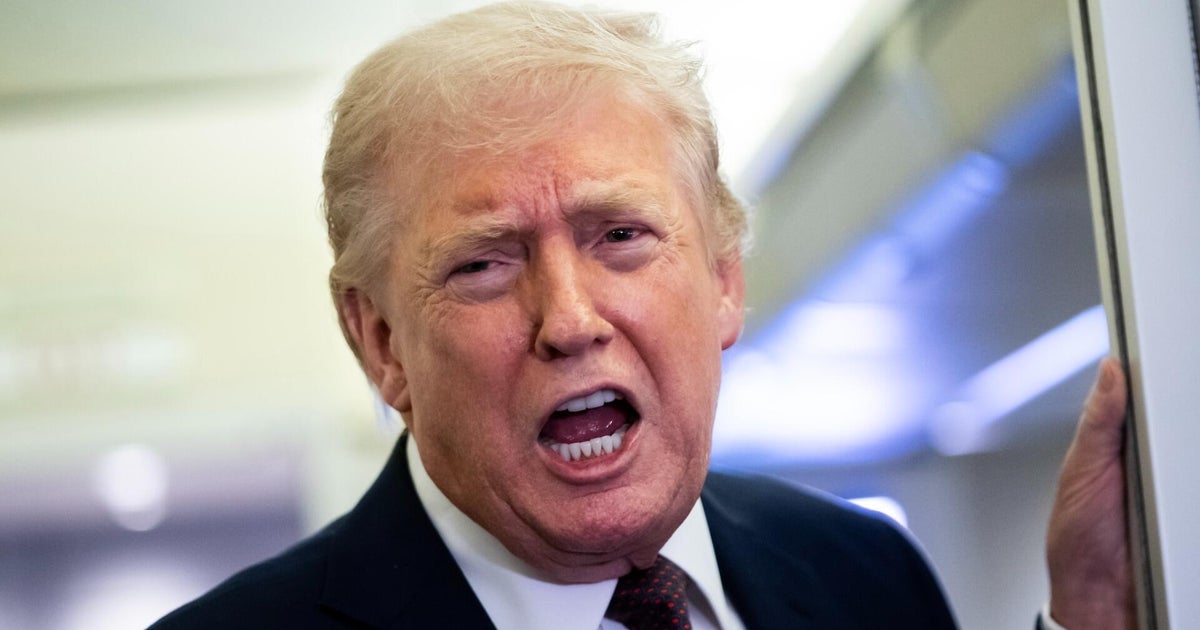
President Trump indicated Tuesday that the United States would wind down its military offensive against Iran within two to three weeks while simultaneously threatening to withdraw from NATO over what he characterized as insufficient allied support for the operation. Speaking from the White House, Trump expressed frustration with European and other NATO partners who have declined to provide military assistance for his Iran campaign, suggesting their lack of cooperation could prompt American departure from the 75-year-old alliance. The president's comments came as the conflict entered its second month with significant global economic consequences.
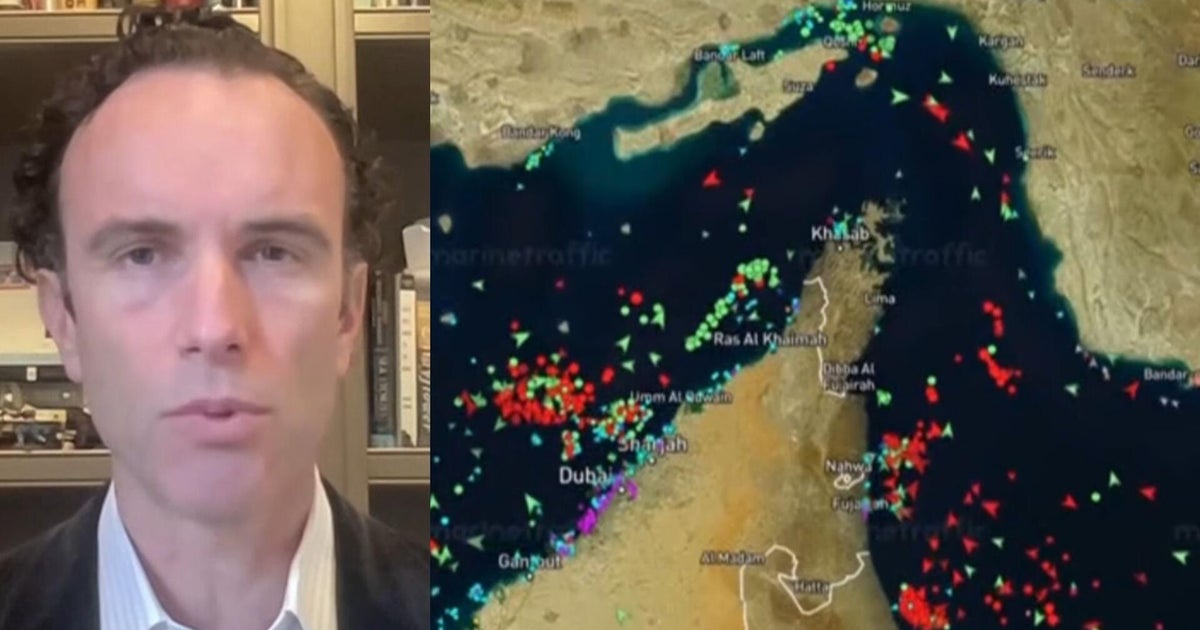
The president's timeline for ending military operations represents the clearest indication yet of his strategy for concluding the Iran conflict, which has driven oil prices above $100 per barrel and contributed to market volatility worldwide. Trump suggested that Iran's closure of the Strait of Hormuz, a critical global shipping lane, would become a problem for other nations to solve once American forces withdraw. "We're going to be done with this in two, maybe three weeks," Trump said, indicating that the burden of keeping international shipping lanes open would shift to regional partners and allies.
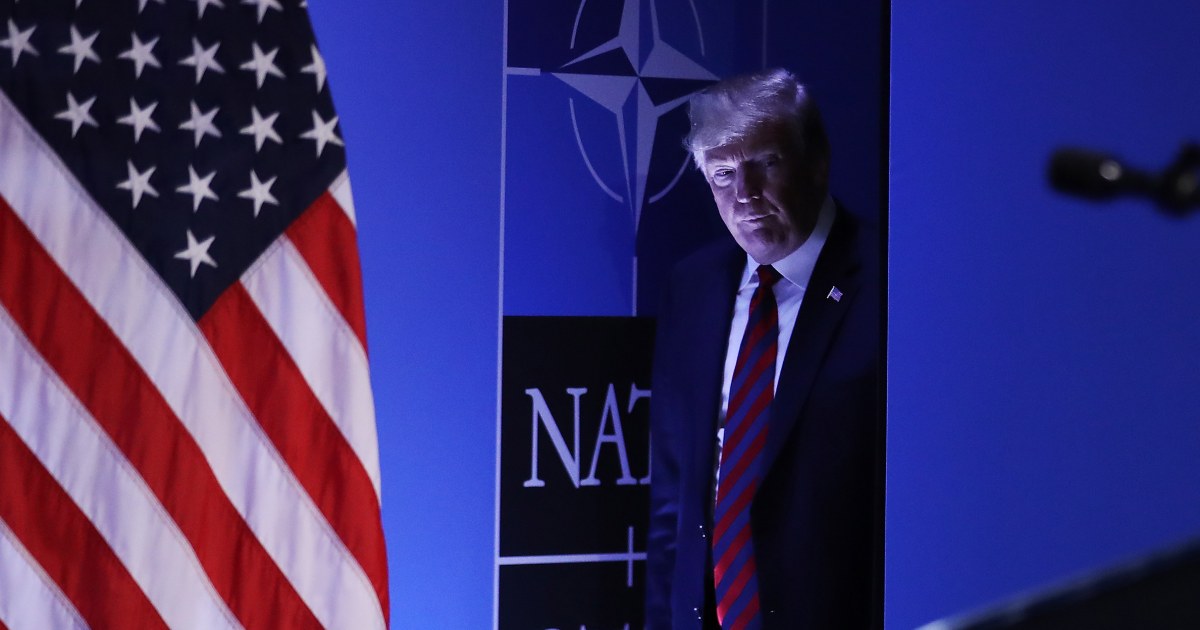
Trump's criticism of NATO allies reflects mounting tension within the alliance over the Iran operation, which the United States launched without formal consultation with European partners. Several NATO members, including Germany and France, have expressed concerns about the military action and declined to provide direct support, leading to the president's threats of American withdrawal. The president's frustration with allied responses echoes his longstanding complaints about burden-sharing within NATO and European defense spending levels.
The economic impact of the Iran conflict has been substantial, with global oil markets experiencing significant volatility as supply concerns mount. The closure of the Strait of Hormuz, through which roughly 20% of global oil supplies typically flow, has contributed to sharp increases in energy costs worldwide. American stocks have suffered their worst quarterly performance since 2022, with the S&P 500 approaching correction territory as investors grapple with the economic implications of sustained higher energy prices.
Trump's suggestion that the United States would leave the resolution of Strait of Hormuz issues to other nations after American withdrawal signals a potential shift toward a more isolationist approach to Middle East conflicts. The president has consistently argued that America's allies should bear greater responsibility for regional security challenges, particularly in areas where they have significant economic interests. As the conflict appears to be approaching its conclusion, attention is turning to the long-term diplomatic and economic consequences of the military action and its impact on American relationships with both allies and adversaries in the region.