Trump Proposes Joint U.S.-Iran Control of the Strait of Hormuz as Part of 15-Point Peace Framework
Announcing a five-day pause on strikes against Iranian energy sites, the president said backchannel talks with Tehran — facilitated by Egypt, Pakistan, and Turkey — have produced 'major points of agreement,' including an Iranian commitment to abandon nuclear weapons. Iran denies any negotiations took place.

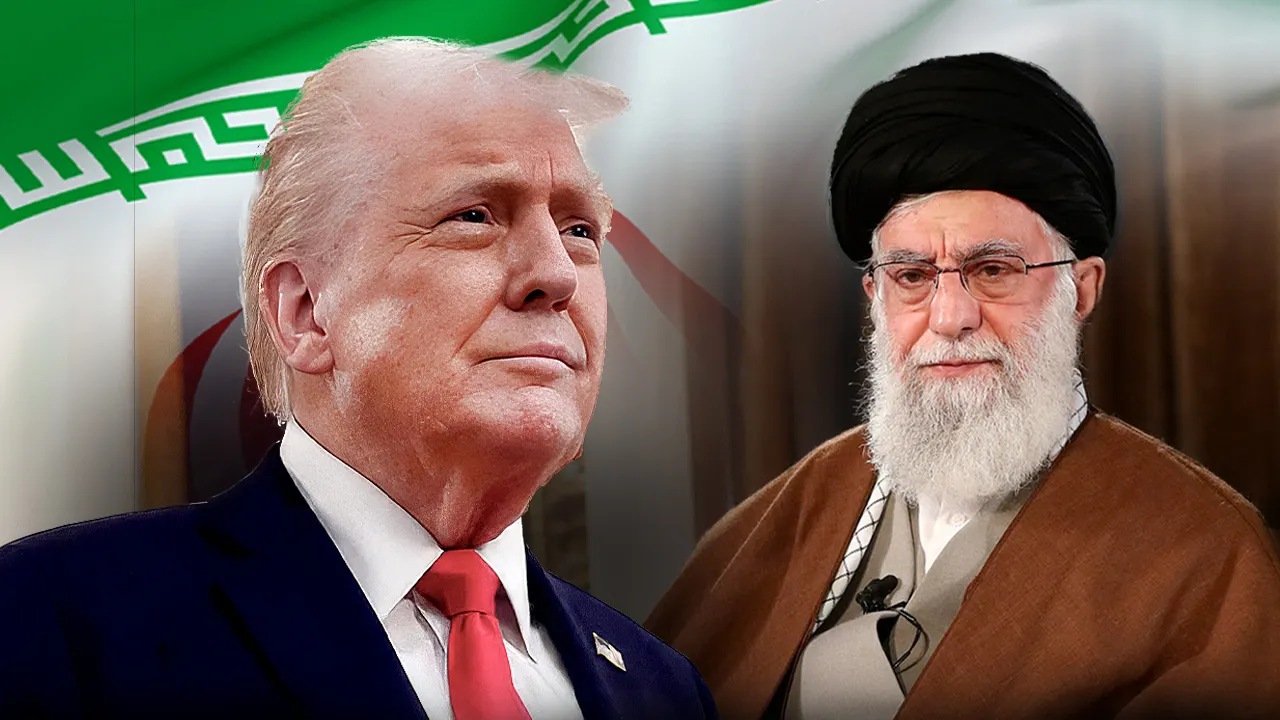
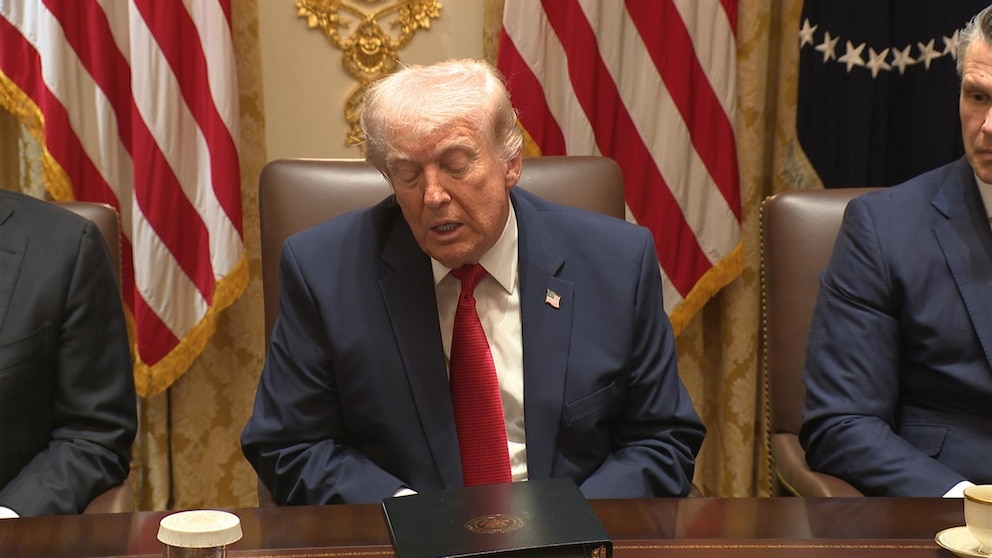
President Trump on Monday proposed an extraordinary diplomatic arrangement in which the United States and Iran would jointly control the Strait of Hormuz, the narrow Persian Gulf waterway through which roughly 20 percent of the world's oil supply passes, as part of what he described as an emerging peace framework to end the nearly month-long U.S.-Israel war with Iran. Speaking from Memphis, Tennessee, Trump told the crowd: "At the end of this period I think it could very well end up being a very good deal." He announced a five-day pause on Pentagon strikes targeting Iranian power plants and energy infrastructure, citing what he characterized as "very good and productive conversations" involving his envoys Jared Kushner and Steve Witkoff.
Trump said the backchannel talks, held on Sunday night with Egypt, Pakistan, and Turkey serving as intermediaries, had produced commitments from Tehran on a sweeping range of issues. Chief among them, according to the president, was an Iranian pledge to halt uranium enrichment entirely and transfer its existing enriched uranium stockpiles out of the country. Trump also claimed Iran had agreed to reopen the Strait of Hormuz to commercial and military traffic. In a startling additional claim, he suggested the two nations would establish a joint maritime authority to manage the waterway — a concept without precedent in modern international diplomacy. An Israeli official told Axios that U.S. envoys Kushner and Witkoff had been in contact with Mohammad Bagher Ghalibaf, the speaker of the Iranian parliament, through these regional intermediaries.
Iran's Foreign Ministry immediately and categorically denied that any talks had taken place. "There is no dialogue between Tehran and Washington," the ministry said in a statement. Ghalibaf himself posted on X that reports of negotiations were "fake news allegedly designed to manipulate financial markets." The official Iranian denial stands in tension with a notable acknowledgment: a senior Iranian Foreign Ministry official told CBS News exclusively that "we received points from the U.S. through mediators and they are being reviewed" — suggesting some form of back-channel communication was underway despite the public posture of complete non-engagement.
Financial markets reacted with explosive optimism to Trump's announcement. S&P 500 futures swung nearly 4 percent from their intraday lows within minutes of his post on Truth Social. Brent crude oil collapsed from $109 per barrel to $92, and West Texas Intermediate touched $88.70 — its lowest since the war began on February 28. Analysts estimated the total market value gained in the surge exceeded $1.7 trillion, illustrating the staggering financial stakes attached to any resolution of the conflict. The moves partly reversed later in the day as Iran's categorical denials circulated globally and analysts warned against reading too much into the contradictory signals from both sides.
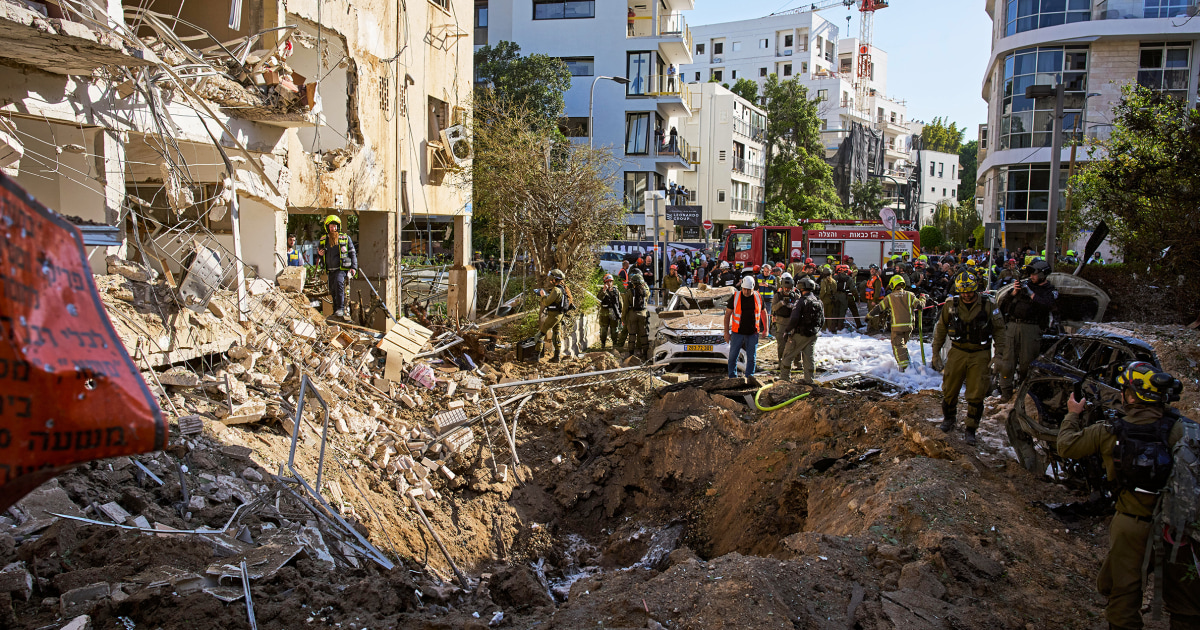
The Strait of Hormuz has been substantially blockaded by Iranian naval forces since the early days of the conflict, producing consequences the International Energy Agency described as unprecedented in severity. The agency estimated a loss of 11 million barrels of daily oil output — a figure exceeding the combined disruption of every oil shock since the 1970s. U.S. gasoline prices have risen for 23 consecutive days, reaching their highest national average since 2022. Mortgage rates have climbed above 6.5 percent as energy-driven inflation feeds through the broader economy. Whether Trump's five-day diplomatic pause reflects genuine progress toward an end to hostilities — or a tactical gambit to manage oil markets and domestic political pressure — remains deeply unclear and will likely not be resolved until the deadline expires later this week.