Trump Delivers 15-Point Ultimatum to Iran Via Pakistan as Four Nations Meet in Islamabad
Foreign ministers from Pakistan, Turkey, Egypt, and Saudi Arabia gathered in Islamabad Sunday to broker a ceasefire, as Trump revealed Iran has agreed to 'most of' his demands — though Tehran's foreign minister publicly contradicted the claim.

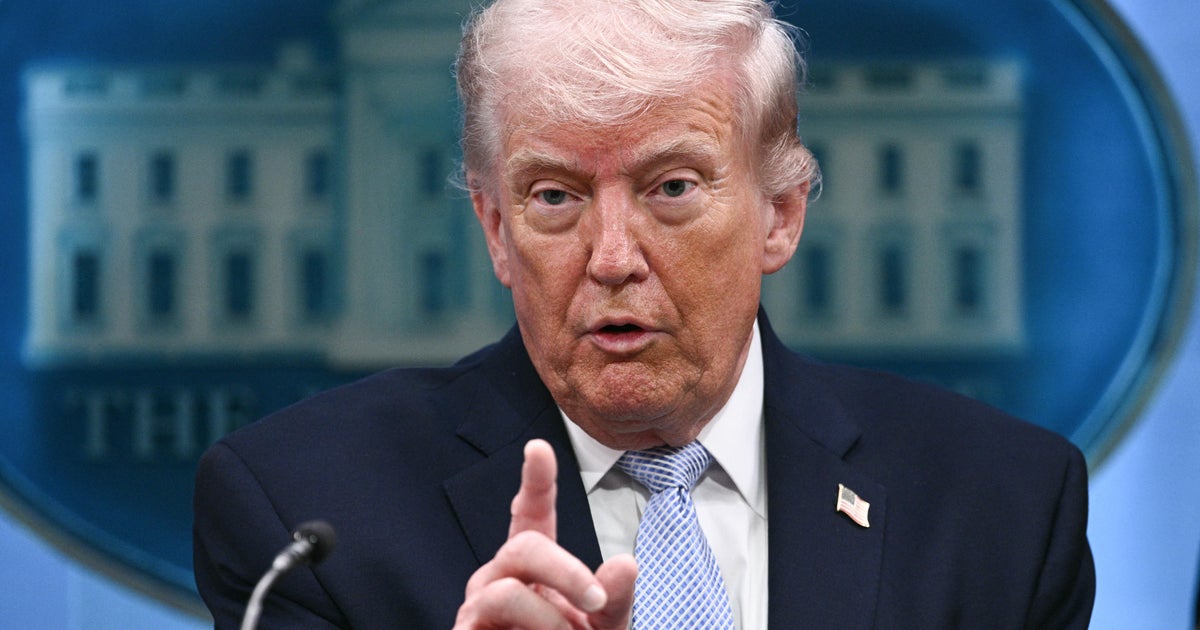
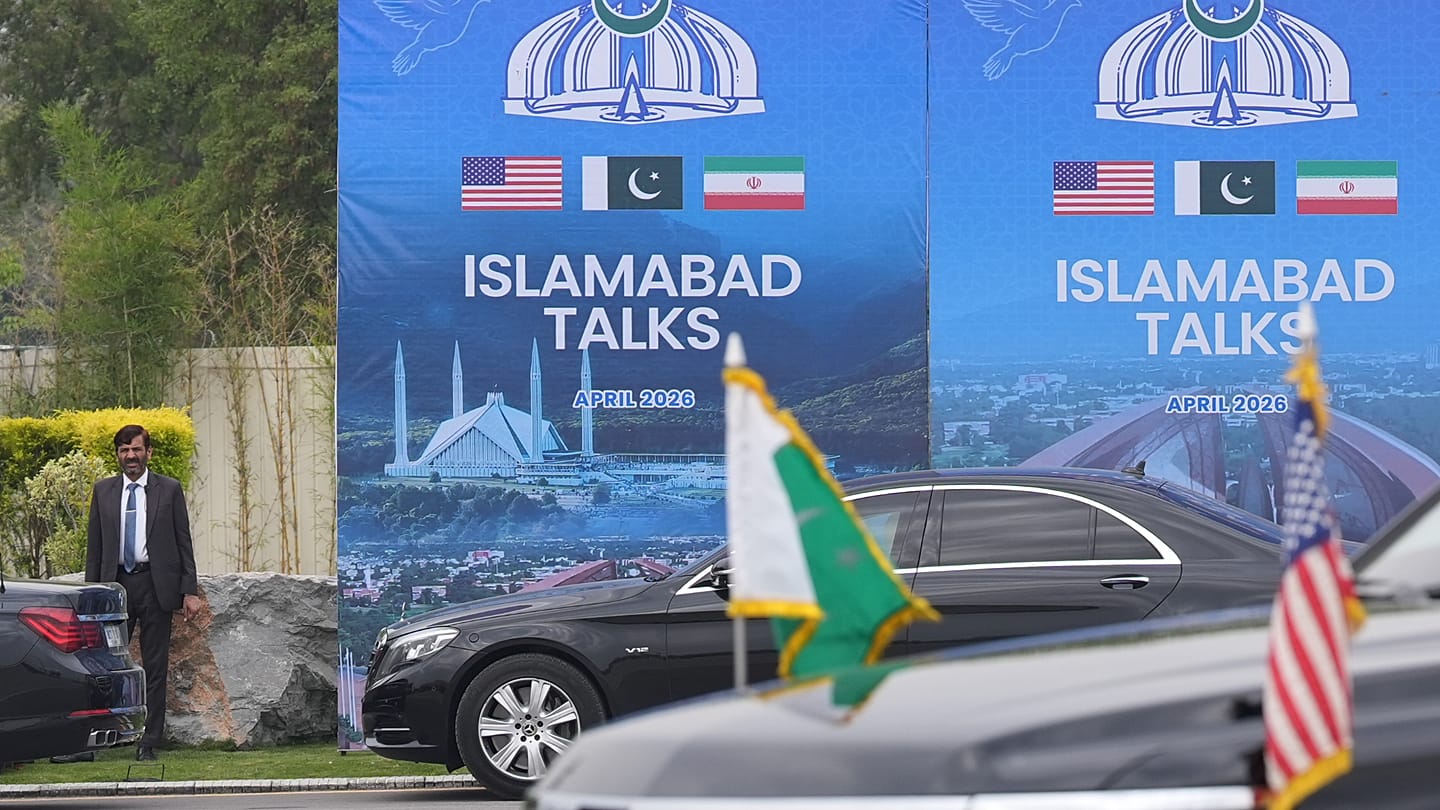
President Trump revealed Sunday that Iran has agreed to "most of" a sweeping 15-point list of American demands conveyed through Pakistan as a framework for ending the US-Israel-Iran war — but Iranian officials quickly signaled skepticism, and the gap between the two sides remains significant. The disclosure came as foreign ministers from Pakistan, Turkey, Egypt, and Saudi Arabia gathered in Islamabad for high-level talks aimed at brokering a ceasefire before the conflict enters its second month.
The 15 demands, described by US officials as a framework rather than a final ultimatum, reportedly include requirements that Iran permanently halt uranium enrichment above 5 percent, destroy existing stockpiles of near-weapons-grade uranium, submit to more intrusive international inspections, cease funding of proxy militias across the Middle East, and formally recognize Israel's right to exist. Iranian Foreign Minister Abbas Araghchi stopped short of a formal acceptance, telling state television that "some of the demands are acceptable and some are not," while cautioning that negotiations would be "complex and prolonged."
Pakistan, which has maintained diplomatic relations with Iran while also cultivating strong ties with the United States, has emerged as a crucial back channel. Prime Minister Shehbaz Sharif hosted the four-nation foreign ministers' meeting in Islamabad on Sunday, calling for "an immediate and unconditional ceasefire" and volunteering Pakistan as a neutral venue for direct US-Iran negotiations. The meeting also included representatives from Turkey and Egypt, both of which have sought to position themselves as honest brokers capable of reaching Tehran's leadership.
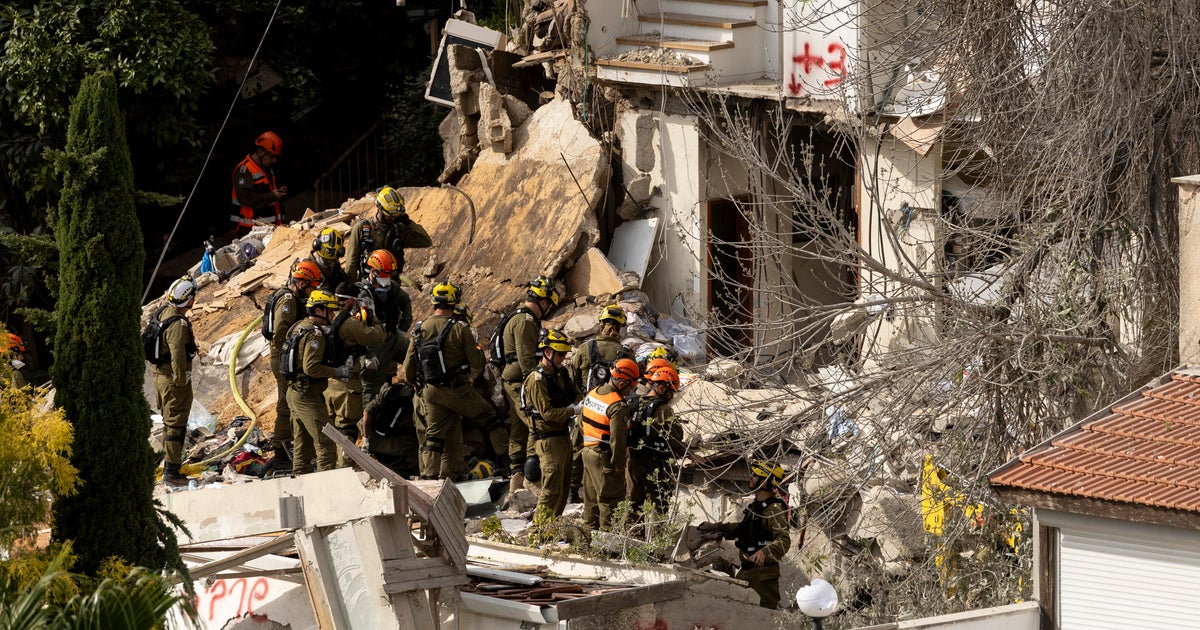
The diplomatic surge comes as the military picture on the ground remains dangerous. Powerful explosions struck Tehran's Saadat Abad neighborhood and western Tehran on Sunday morning, killing two people and wounding five, according to Iranian state media. The USS Tripoli arrived in the Persian Gulf this week carrying 3,500 Marines from the 31st Marine Expeditionary Unit, and Pentagon planners are reportedly preparing options for "weeks of limited ground operations" inside Iran — a description that alarmed some allied governments who had not been informed in advance.
White House Press Secretary Karoline Leavitt acknowledged the military buildup while insisting that no final decision had been made. "It's the job of the Pentagon to make preparations," she told reporters. "It does not mean the president has made a decision." Iranian Parliament Speaker Mohammad Bagher Ghalibaf dismissed the diplomatic overtures, declaring that "our men are waiting for the arrival of American soldiers on the ground to set fire to them."
Arab governments that initially gave quiet acquiescence to the US-Israel campaign are now pressing hard for a diplomatic exit. Saudi Arabia, the UAE, and Bahrain — all of which have absorbed economic damage from the oil disruption — have signaled privately that they want an end to the fighting before the conflict triggers wider regional instability. Whether the 15-point framework serves as a genuine roadmap or a negotiating opener remains unclear, but diplomats involved in the Islamabad process described Sunday's meeting as "the most serious diplomatic engagement since the war began."