Trump Extends Iran Strike Deadline by Five Days, Claims Productive Talks — Tehran Denies Negotiations
The president stepped back from his 48-hour ultimatum to obliterate Iranian power plants, saying diplomacy could yield a 'complete and total resolution.' Iran called it a retreat.

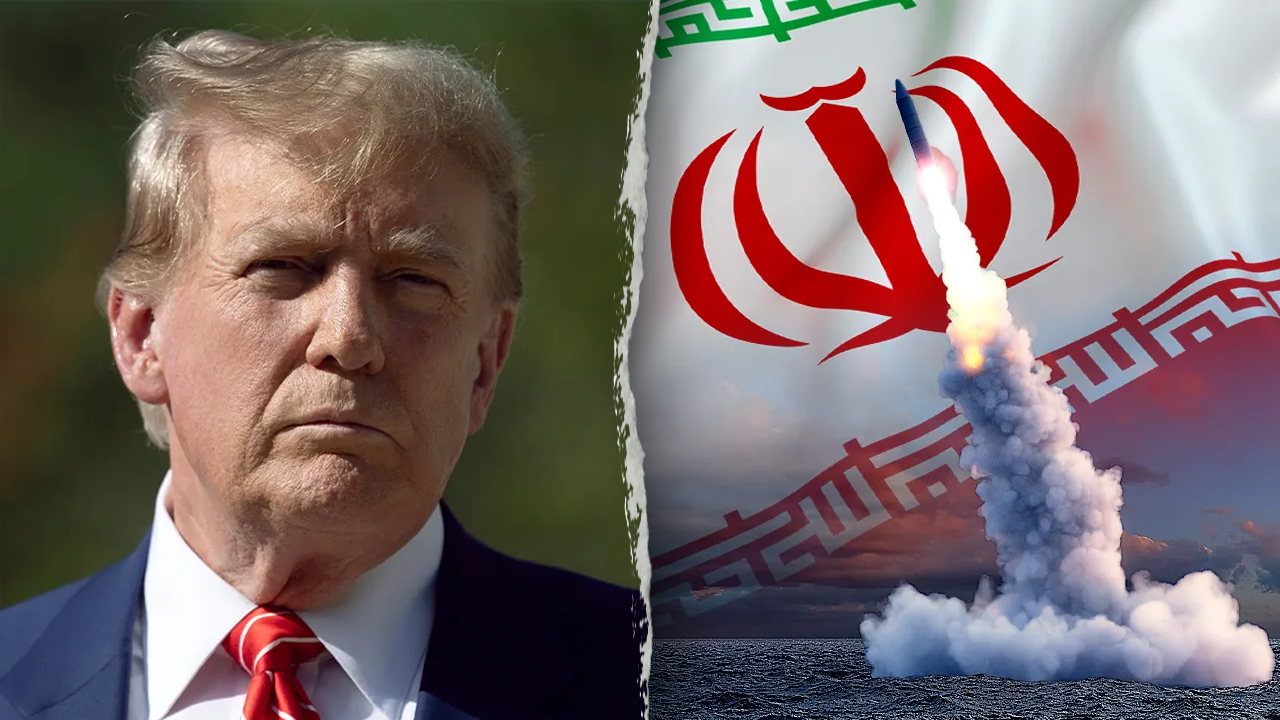
President Donald Trump on Monday extended his threat to strike Iranian power plants by five days, stepping back from a 48-hour ultimatum that had been set to expire even as the U.S. military prepares what officials describe as a significant escalation against Tehran. The extension came after Trump posted on Truth Social — in all capital letters — that the United States had held 'very good and productive conversations' with Iran over the past two days and that talks would continue throughout the week, potentially yielding a 'complete and total resolution' to the now month-long conflict.
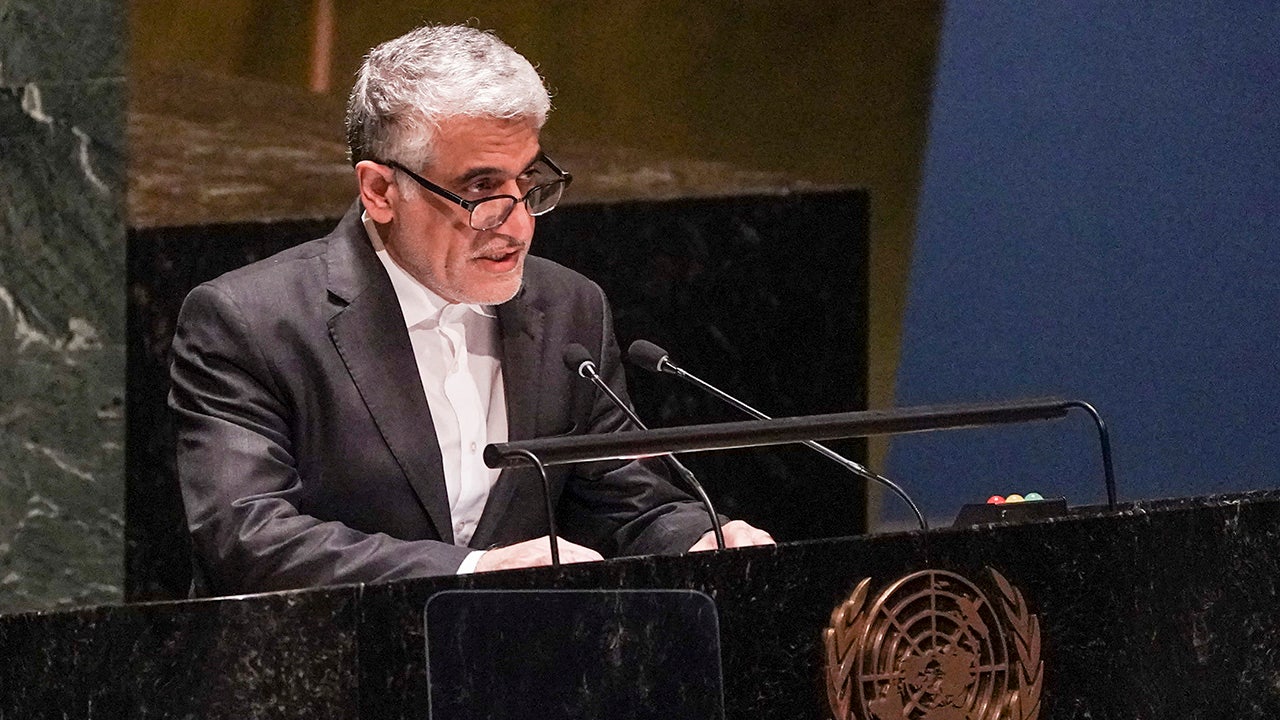
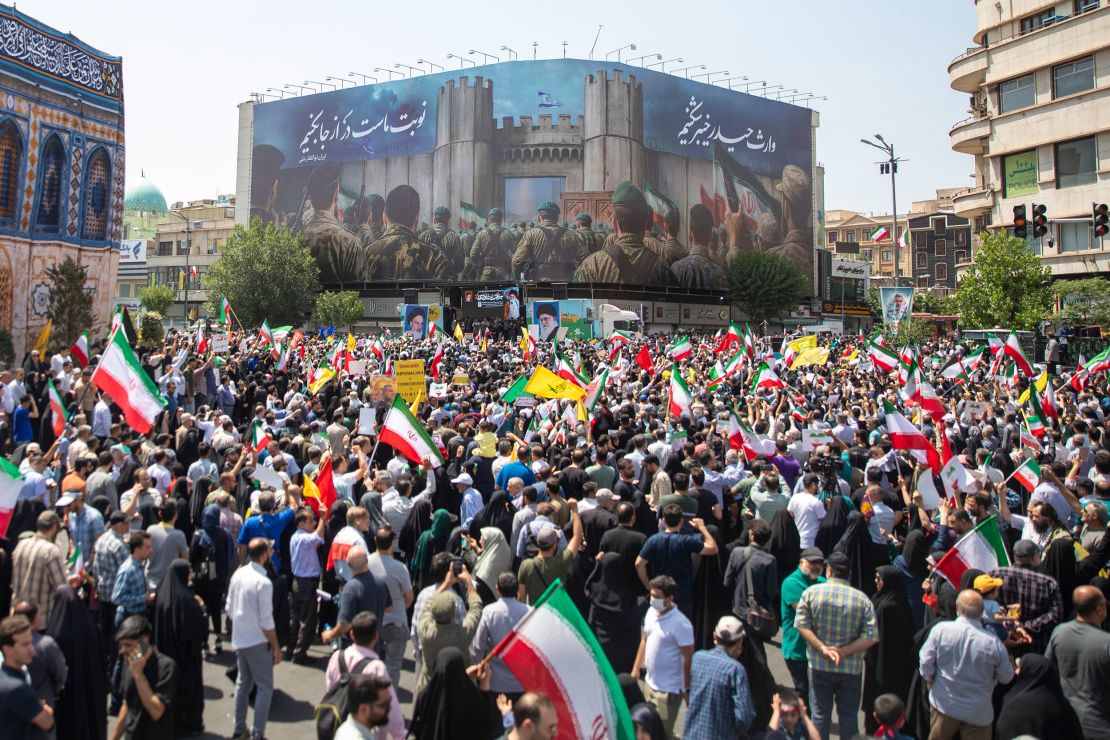
Iran's state media swiftly rejected Trump's framing, with the Islamic Revolutionary Guard Corps claiming the American president had 'retreated out of fear of Iran's response' and that no direct negotiations had taken place. Iranian officials said the Strait of Hormuz — the critical waterway through which roughly one-fifth of the world's oil flows — would remain closed until all U.S. and Israeli forces leave the region. Iran's National Defence Council went further, threatening to mine all Persian Gulf communication lines if the Iranian coast or its strategic islands are attacked by American or Israeli forces.
Oman's Foreign Minister Badr Albusaidi said his country was 'working intensively' to broker safe passage arrangements in the Strait of Hormuz, offering one of the few potential diplomatic offramps in a crisis that has now stretched into its fourth week. Oman has historically served as a quiet back-channel between Washington and Tehran, and its involvement was seen by some analysts as a sign that at least informal communication was underway, contradicting the hardline public stances of both governments.
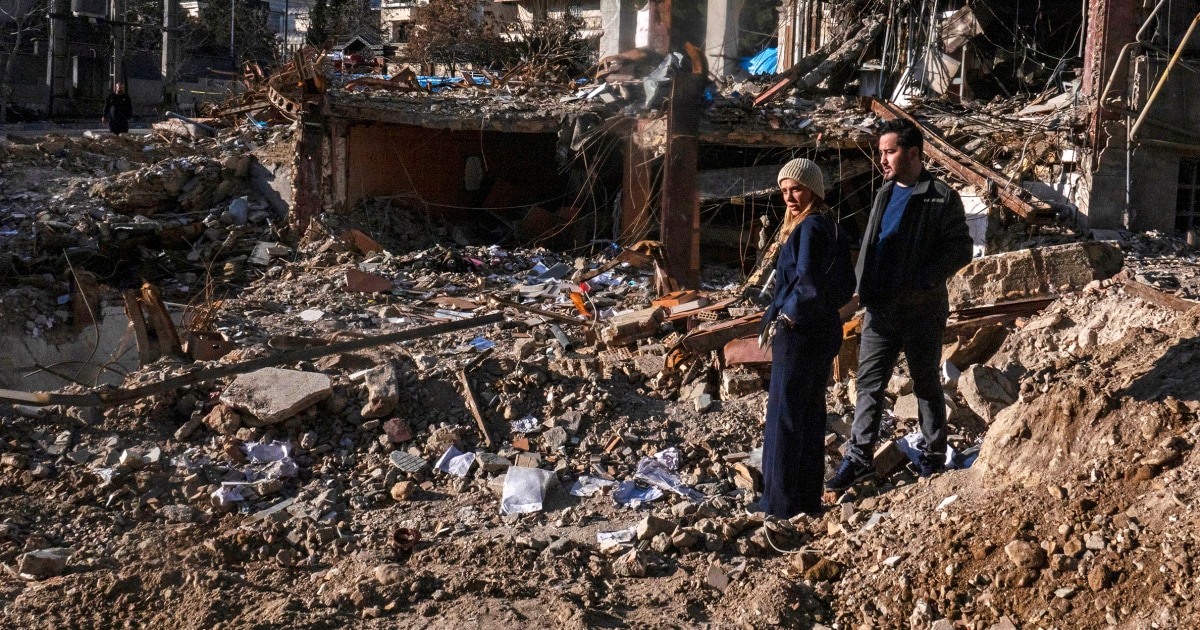
The U.S. military continued offensive operations even as the diplomatic signals swirled. U.S. Central Command confirmed that American forces had carried out what it described as 'the longest field artillery strike in Army combat history' against Iranian positions, though it declined to specify the target or location of the strike. At least 13 U.S. military personnel have been killed and more than 230 wounded since the conflict began, according to Pentagon figures, making the Iran war the most costly military engagement for American forces in over a decade. Oil prices remained elevated, with benchmark crude trading above $110 per barrel, nearly double its level from before the conflict escalated.
On Capitol Hill, the extension bought Trump some breathing room but did little to quiet growing bipartisan concern about the trajectory of the war. Senior lawmakers from both parties have demanded the White House present a clear exit strategy, with some Republicans joining Democrats in calling for a formal congressional authorization vote. Trump has insisted the conflict is necessary to prevent Iran from developing nuclear weapons and to reopen the Strait of Hormuz to global shipping. Administration officials say the five-day window is a test of whether diplomacy can succeed; privately, Pentagon officials say military planning for strikes on Iranian power generation infrastructure is advanced and could be executed on short notice if talks collapse.