Trump Extends Iran Deadline to April 6 as Strait of Hormuz Closure Batters Asian Economies
The president paused threatened strikes on Iranian power infrastructure for 10 more days, citing ongoing negotiations, as energy economists warn Southeast Asia faces the sharpest pain.

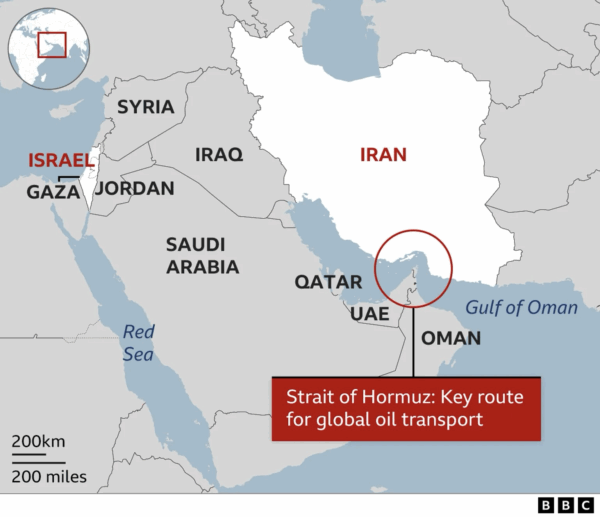
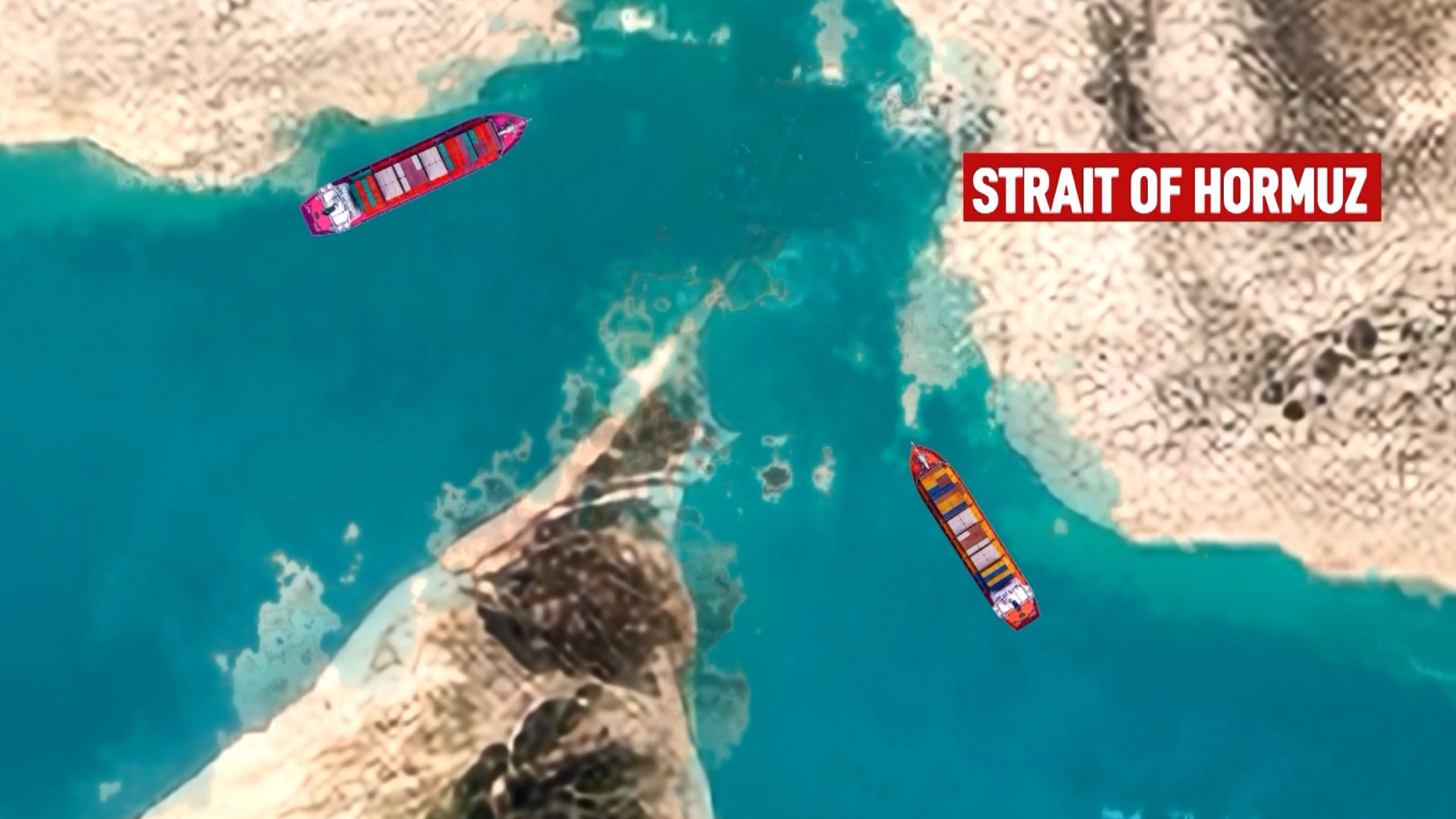
President Donald Trump extended the deadline for Iran to fully reopen the Strait of Hormuz by 10 additional days to April 6, saying "talks are ongoing and they are going very well" in a post on Truth Social on Thursday. The extension pauses an imminent threat of strikes on Iranian electrical generation and power grid infrastructure that Washington had warned would be carried out if Tehran refused to allow oil tanker traffic to resume. Now in its 27th day, the U.S.-Israel military campaign against Iran has effectively closed off approximately 21 percent of the world's traded oil from passing through the strategic chokepoint.
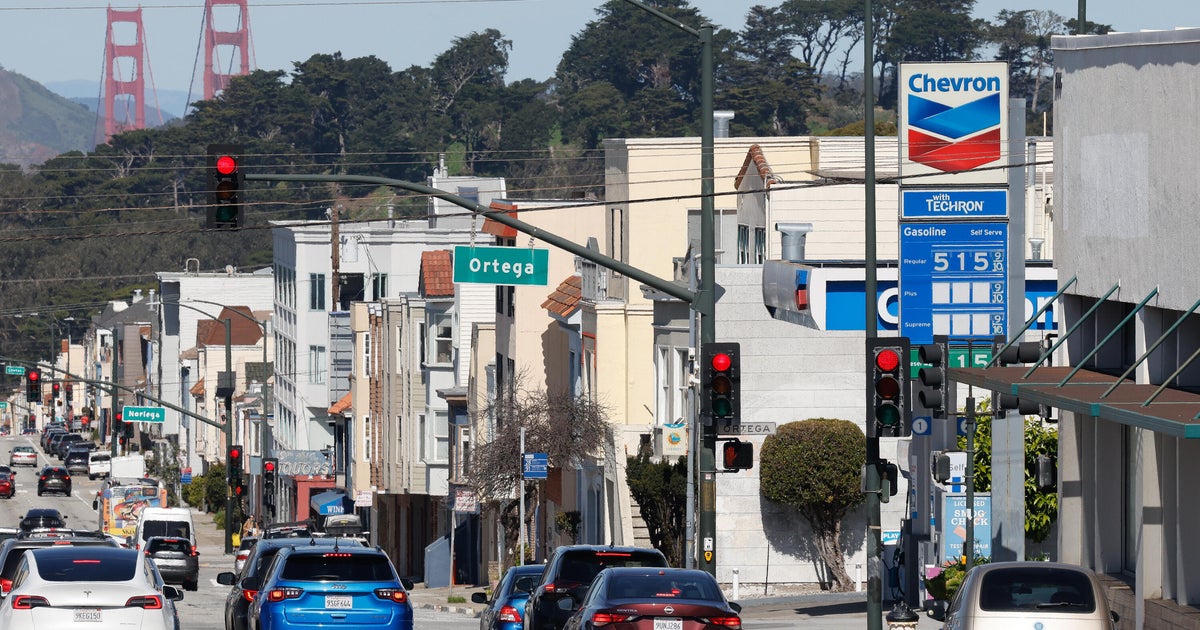
The energy disruption set off by the Strait's effective closure is proving unevenly devastating across the global economy. Southeast Asian nations — Japan, South Korea, Vietnam, the Philippines, and Singapore — rely on Persian Gulf crude for the majority of their energy imports, and tanker insurance rates have risen more than 400 percent since the conflict began in late February. Retail gasoline prices have climbed above $5 per gallon in more than 30 U.S. states. Germany and other European industrial economies are suffering acute manufacturing pain as energy prices spike while Chinese export competitors, paradoxically, appear somewhat insulated.
The counterintuitive dynamic stems from China's existing deflationary pressure. With domestic consumer demand already sluggish and manufacturers fighting to cut costs, the energy shock has deepened deflation in China rather than generating inflation as it has in Western economies. "What's happening in China mirrors what happened after Russia's invasion of Ukraine in 2022 — but the mechanism operates in reverse," one energy economist noted, citing the difference between China's manufacturing-export model and the service-intensive consumption economies of the G7. Meanwhile, Germany is losing an estimated 10,000 manufacturing jobs a month as Chinese competitors squeeze margins further. The International Energy Agency issued an emergency warning this week that prolonged closure of the Strait beyond April could trigger energy rationing in three G7 member states.
Negotiations with Tehran have stalled on Iran's central precondition: the U.S. must halt all Israeli bombing campaigns on Iranian territory before any maritime corridor can be reopened. The Trump administration has so far refused that condition, insisting Iran must demonstrate good faith by reopening the Strait first. Secretary of State Marco Rubio, speaking at a G7 foreign ministers meeting in Caen, France this week, pressed allied nations to increase economic pressure on Tehran while acknowledging that a diplomatic resolution would require "creative sequencing." European allies pushed back, demanding a clear U.S. exit strategy for the military campaign before committing to further support.
For Southeast Asia, the diplomatic uncertainty is accelerating structural energy shifts that analysts say could outlast the immediate crisis. The Philippines ratified a civilian nuclear framework agreement with the United States in February, and Indonesia's national energy authority announced an accelerated construction timeline for its first nuclear power station. Malaysia, Vietnam, and Indonesia have also accelerated talks with Kazakhstan, Russia, and Azerbaijan on overland energy pipelines and liquefied natural gas agreements that would bypass Gulf shipping lanes entirely. Analysts at Wood Mackenzie said the Strait of Hormuz closure has done more to advance nuclear energy in Asia in four weeks than climate negotiations achieved in the previous decade, calling the geopolitical disruption a "permanent inflection point" for regional energy policy.