Trump Called NATO Allies 'Cowards' for Refusing to Join the Iran War — Now the Alliance Is in Crisis
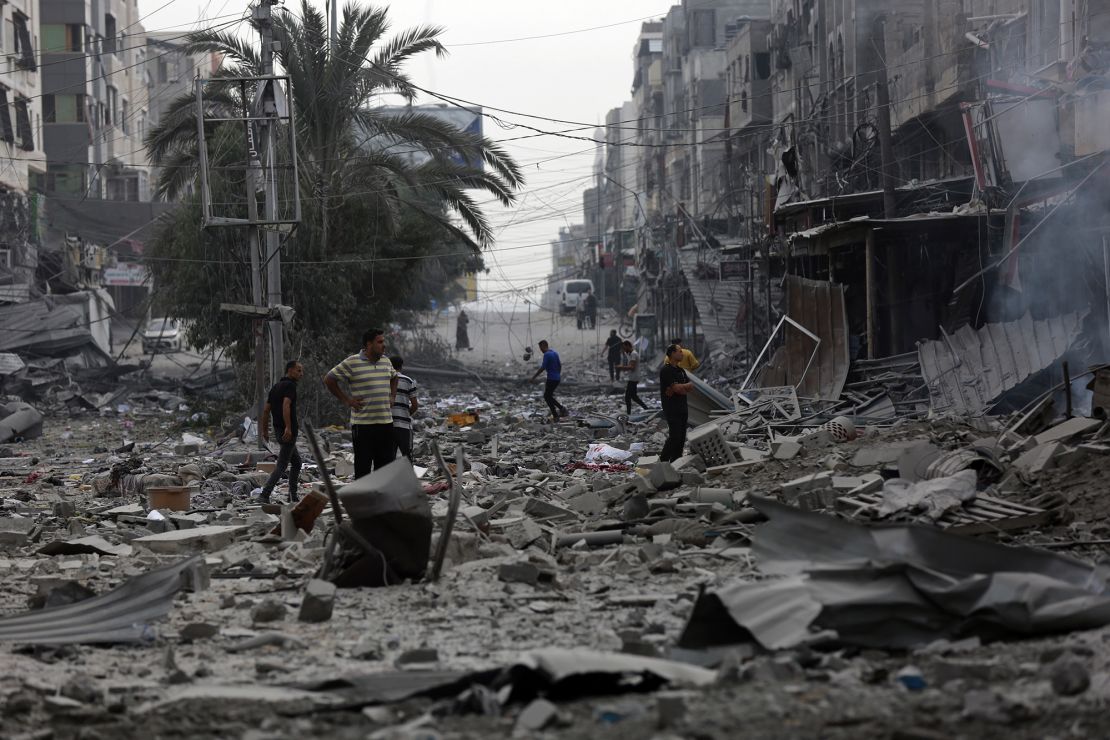
Germany, France, and most NATO members have refused to deploy forces to reopen the Strait of Hormuz, prompting the sharpest rupture in transatlantic relations in decades and raising urgent questions about the future of the alliance.
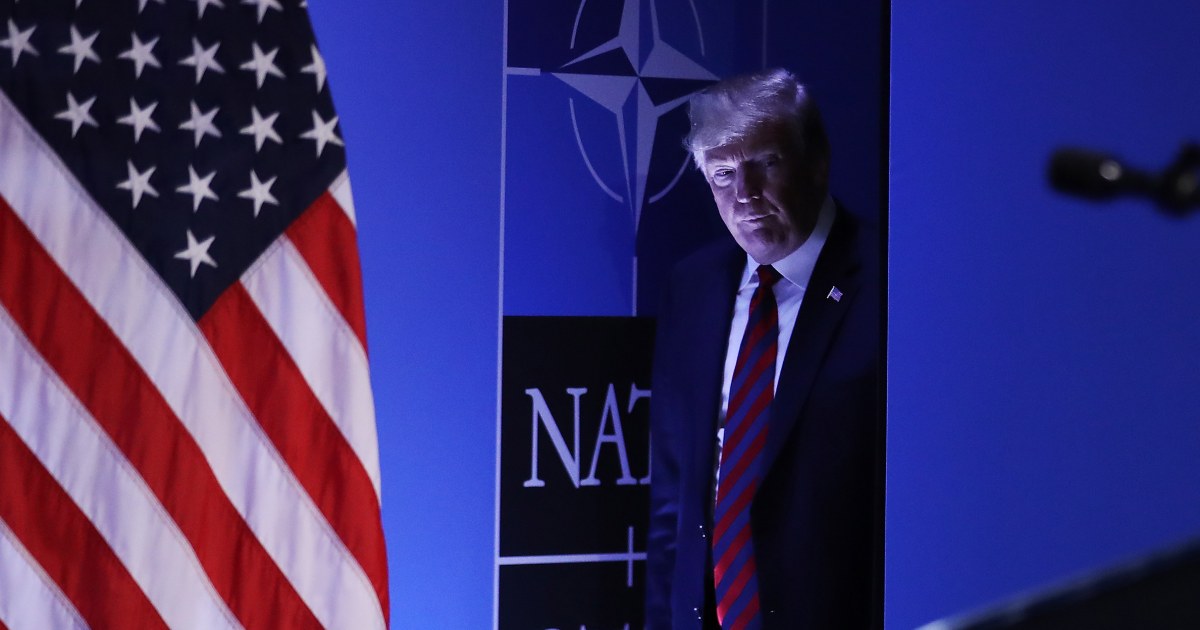
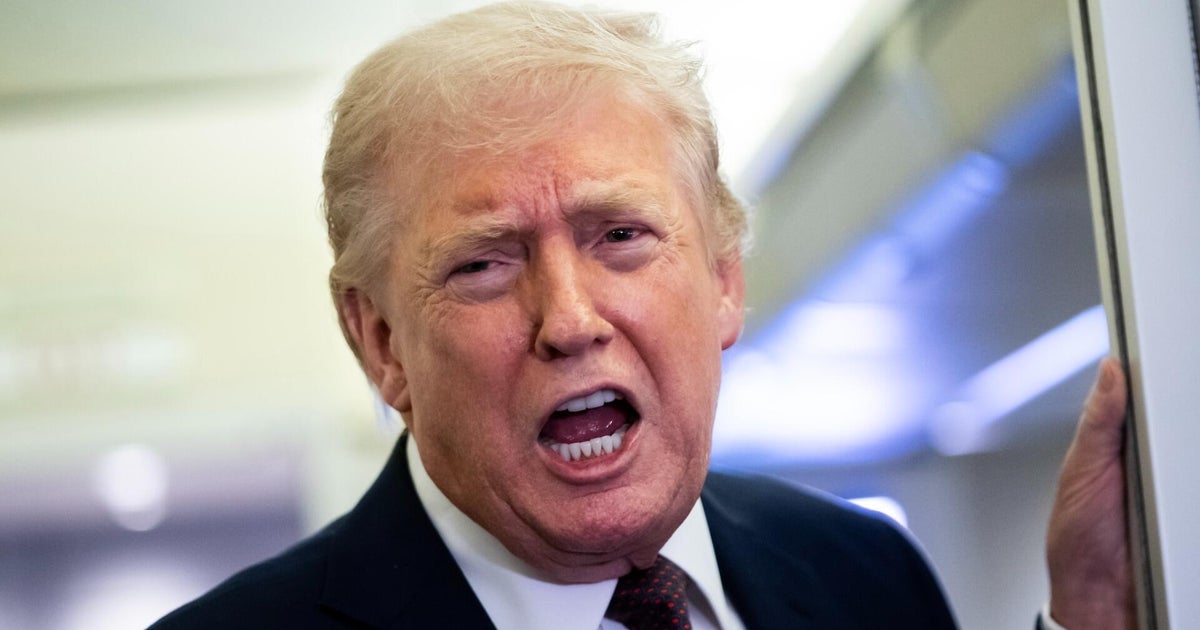
When President Trump called NATO's European members "cowards" last week for refusing to commit forces to the U.S.-Israel war against Iran, he crystallized a fracture in the Western alliance that has been deepening since the conflict began on February 28 — and that appears to be widening rather than healing. In a Truth Social post that reverberated through European capitals, Trump assailed Germany, France, and most of the alliance's European members for declining to support the war effort, saying it was "a very foolish mistake" that would not be forgotten. "The United States never needed their help," Trump wrote in a follow-up post, apparently reversing his own earlier urgent calls for allied assistance in reopening the Strait of Hormuz.
Germany's response was blunt. Defense Minister Boris Pistorius said simply: "This is not our war, we have not started it." The comment captured the prevailing mood among European NATO members, virtually all of which have declined to provide military support, refused to contribute ships to any Hormuz reopening mission, and withheld weapons or intelligence support from the ongoing U.S. and Israeli air campaign against Iranian targets. South Korea, Japan, and Australia — key Indo-Pacific allies that Trump has repeatedly called on for assistance — similarly declined his requests for naval support, prompting the president to extend his furious criticism to the broader circle of U.S. treaty partners and raising questions about the long-term health of America's alliance network.
The United Kingdom has taken the most cooperative posture of any U.S. ally, announcing it would permit U.S. forces to use British bases in the Persian Gulf region for "collective self-defense" operations, including strikes designed to degrade Iranian missile systems attacking commercial shipping. But Britain has not committed combat aircraft or naval vessels to offensive operations against Iran, and Prime Minister Keir Starmer's government has privately communicated to Washington that British public opinion is overwhelmingly opposed to direct participation in an offensive war. The UK's cooperation has been driven partly by concerns about British energy security: the country is among Europe's most exposed economies to the oil price shock resulting from Iran's blockade of the Strait of Hormuz, and its 10-year gilt yields recently touched their highest level since the 2008 financial crisis.
NATO as an institution has struggled to formulate a coherent response. The North Atlantic Council met on March 5 to condemn Iranian attacks on Turkey — a full NATO member that has faced missile strikes in its southeastern provinces — and Secretary General Mark Rutte pledged that the alliance would defend Turkish territory. But the contradiction between NATO's stated commitment to Turkey's defense and the refusal of member states to support offensive operations against the country attacking Turkey has created a legal and strategic paradox that alliance officials have been unable to resolve. Legal scholars have questioned whether Article 5 — the mutual defense clause — even applies, since the United States initiated offensive military operations against Iran rather than responding to an attack on American soil.
The rupture has given new urgency to longstanding European debates about strategic autonomy and the degree to which the continent can rely on U.S. security guarantees under Trump. French President Emmanuel Macron called for an emergency EU defense summit in the aftermath of the "cowards" rebuke, and several NATO members including Germany, Poland, and the Netherlands have announced significant increases to national defense spending, accelerating trends that were already underway before the Iran war began. Whether the alliance can recover from its current crisis — particularly if the conflict extends for months, spreads to involve new belligerents, or produces civilian casualties in European nations heavily exposed to Iranian retaliation — remains one of the most consequential open questions in global security.