Trump Announces 5-Day Pause on Iran Power Plant Strikes, Claims 'Productive' Talks
The president reversed his Strait of Hormuz deadline after saying Iran reached out through mediators, though Tehran denied any direct dialogue and continued firing missiles at Israel.
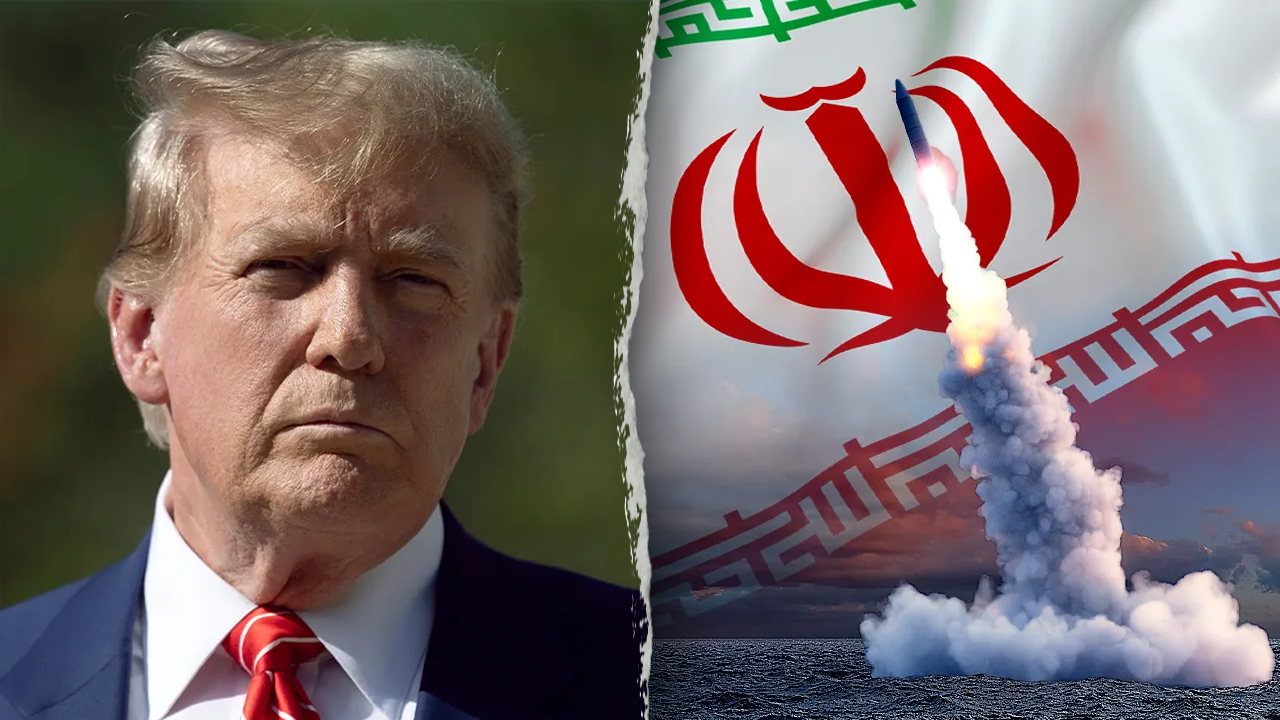
President Trump announced Monday that he was postponing threatened military strikes on Iranian power plants and energy infrastructure for five days, citing what he described as "very good and productive conversations" with Tehran that he said had been ongoing for two days. The announcement represented a dramatic reversal from Trump's earlier ultimatum that Iran must reopen the Strait of Hormuz by Monday afternoon or face immediate escalation — an ultimatum that had rattled oil markets and alarmed U.S. Gulf allies.
"We're doing a five-day period. We'll see how that goes, and if it goes well, we're going to end up with settling this," Trump told reporters at the White House. He said Iran had reached out through intermediaries indicating it was willing to discuss a comprehensive resolution to the conflict, which entered its 24th day Tuesday. Trump described his conditions: "No more wars, no more nuclear weapons. They're not going to have nuclear weapons anymore." He added, in a remark that drew widespread attention, "Otherwise, we'll keep bombing our little hearts out."
Iran's response was sharp and contradictory. Iranian state media immediately denied that any talks were underway and framed the pause not as a diplomatic breakthrough but as Tehran's "firm warning" forcing Trump to retreat. A senior Iranian Foreign Ministry official told CBS News exclusively, however, that "we received points from the U.S. through mediators and they are being reviewed" — an implicit acknowledgment that some form of communication was occurring even as the formal denial held. The apparent contradictions left diplomats and analysts struggling to assess whether a genuine back-channel had opened or whether both governments were managing domestic audiences.
Pakistan is serving as the primary intermediary, with Prime Minister Shehbaz Sharif having spoken directly with Iranian President Masoud Pezeshkian about the need for "de-escalation, dialogue, and diplomacy." Sources familiar with the talks told NBC News that Turkey, Egypt, and Oman are also engaged in facilitation efforts, and that an in-person meeting between U.S. and Iranian envoys in Islamabad could occur within days if the five-day pause holds. European allies, who had been pushing Washington to avoid targeting civilian infrastructure, expressed relief: German Chancellor Friedrich Merz said he was "grateful" for the pause and called for sustained diplomatic momentum.
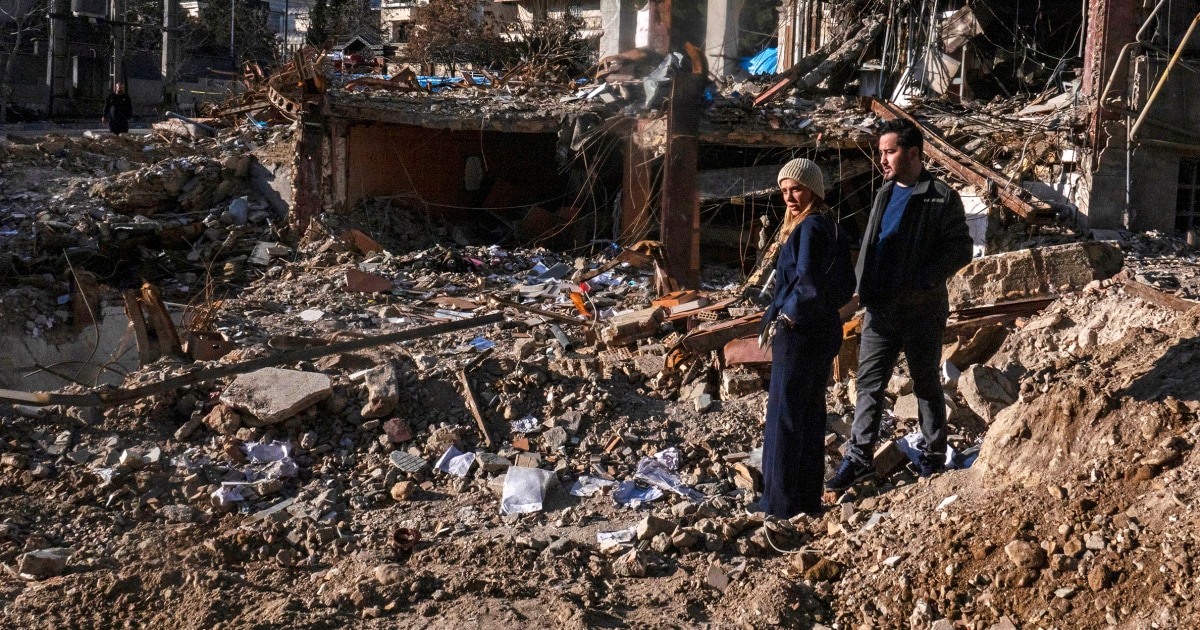
Military activity continued unabated on both sides even as Trump touted the diplomatic opening. Israeli Prime Minister Benjamin Netanyahu confirmed that Israeli air operations in Iran and Lebanon remained active throughout Monday night, and Iran launched fresh waves of missiles at Israeli cities overnight, with several intercepted over Tel Aviv. The conflict, which began on February 28 when U.S. and Israeli aircraft struck Iranian nuclear and military sites, has now killed more than 2,000 people and displaced millions across the region. Oil markets were volatile: Brent crude briefly touched $104 per barrel on fears that the pause could collapse before settling around $101 as traders priced in the possibility of serious negotiations.