Supreme Court Upholds State Bans on Transgender Girls in School Sports, 6-3
The justices ruled that laws in West Virginia and Idaho barring transgender girls from female teams violate neither Title IX nor the Constitution.
The Supreme Court on June 30 upheld state laws barring transgender girls from competing on girls' and women's school sports teams, ruling 6-3 along ideological lines in a decision that hands social conservatives a major victory and reshapes the legal landscape for transgender rights in athletics.
In a single ruling resolving two consolidated cases — West Virginia v. B.P.J. and Little v. Hecox — the court's conservative majority concluded that the bans enacted in West Virginia and Idaho do not violate Title IX, the federal law prohibiting sex discrimination in education, nor the equal-protection guarantee of the 14th Amendment. The outcome allows roughly two dozen states with similar laws on the books to continue enforcing them.
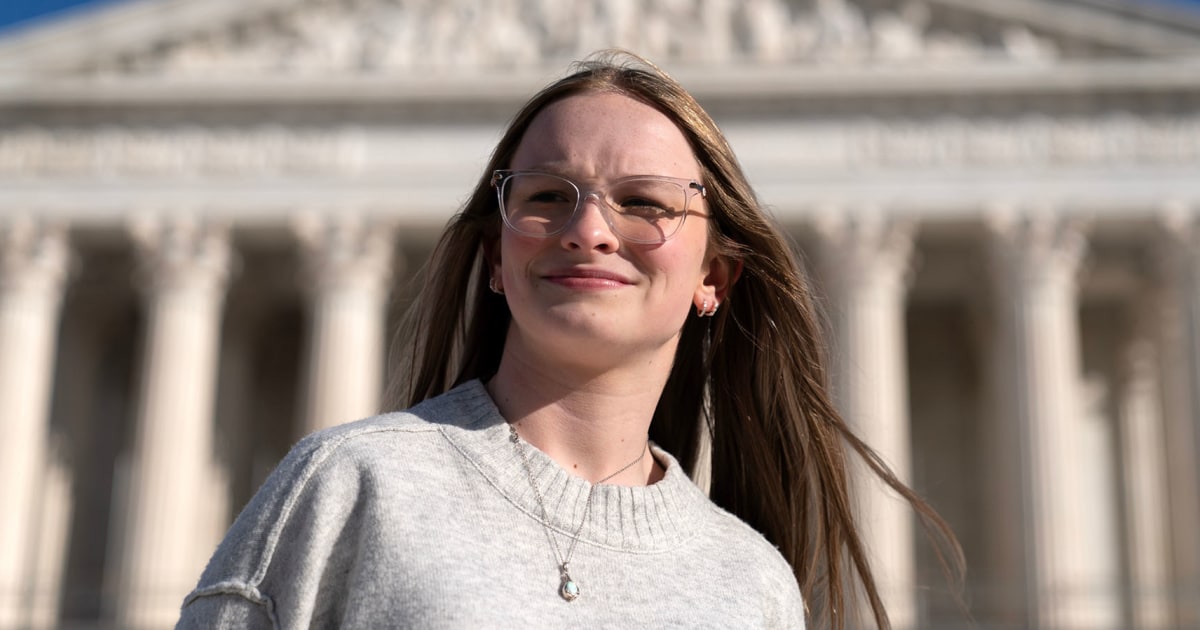
The cases were brought by two transgender athletes. Becky Pepper-Jackson, a 15-year-old West Virginia high school student who takes medication to suppress male puberty and receives estrogen hormone therapy, challenged her state's law after her mother went to federal court on her behalf. Lindsay Hecox, who sought to try out for the women's track and cross-country teams at Boise State University in Idaho, challenged that state's statute. Both had won victories in lower courts before the justices agreed to hear the disputes.
During oral arguments in January, the states defending the bans appeared likely to prevail, though it was unclear how sweeping the eventual ruling would be. The final decision, while decisive on the sports question, was written narrowly enough that it left open broader questions about the constitutional status of transgender Americans in other contexts — a signal that the court's conservatives were not prepared to issue a categorical pronouncement on transgender rights writ large.
The ruling caps a term in which the court repeatedly weighed in on contested questions of gender, federal power and civil rights, and it arrives amid a national political climate in which transgender participation in sports has become a flashpoint. Supporters of the bans argued they preserve competitive fairness and safety in female athletics, while opponents warned the decision stigmatizes a vulnerable population of young people and strips them of opportunities available to their peers. Advocacy groups on both sides said the fight would now shift to statehouses, school boards and athletic associations across the country as the practical consequences of the ruling ripple outward.