Sudan's Humanitarian Crisis 'Critically Underfunded' as Conflict Enters Third Year
The UN warns that Sudan's 2026 Humanitarian Response Plan is funded at just 16 percent of what is needed, with over 200 attacks on healthcare infrastructure verified and 1.6 million civilians returning to a devastated Khartoum.

The United Nations is raising urgent alarm about Sudan, warning that the country's 2026 Humanitarian Response Plan is funded at just 16 percent of its total needs — a critical shortfall that threatens to leave millions of civilians without food, medicine, or shelter as the conflict between the Sudanese Armed Forces and the Rapid Support Forces (RSF) approaches its third year.
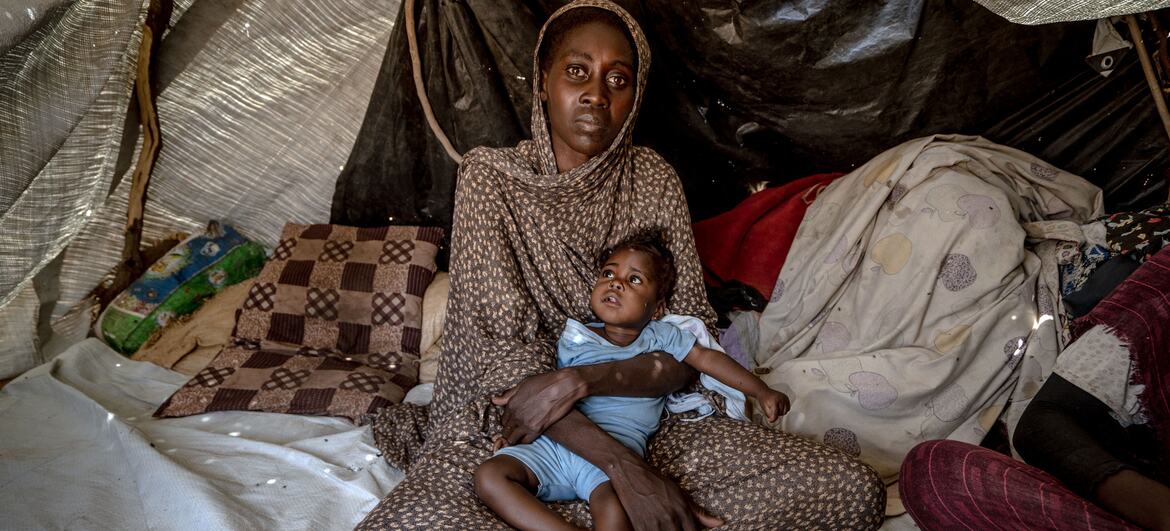
UN Spokesperson Stéphane Dujarric delivered the warning in a press briefing this week, stressing that "we need adequate funding to deliver humanitarian assistance in Sudan" and that the gap between needs and resources is widening rather than narrowing. The statistics behind the appeal are stark: more than 1.6 million displaced civilians have returned to Khartoum as fighting shifts to other regions, but their return has overwhelmed the city's shattered infrastructure. Water and sanitation systems remain crippled, and the public health system has been decimated by more than two years of war.
Since the conflict erupted in April 2023, healthcare facilities have been systematically targeted, with the UN verifying more than 200 attacks on medical infrastructure over the course of the war. On a recent day, a drone attack struck Al Jabalayn Teaching Hospital, killing 10 health workers — a single incident that encapsulates the pattern of deliberate targeting of civilians and civilian services that has marked the conflict. The UN has repeatedly called on both the SAF and RSF to respect international humanitarian law, with limited effect.
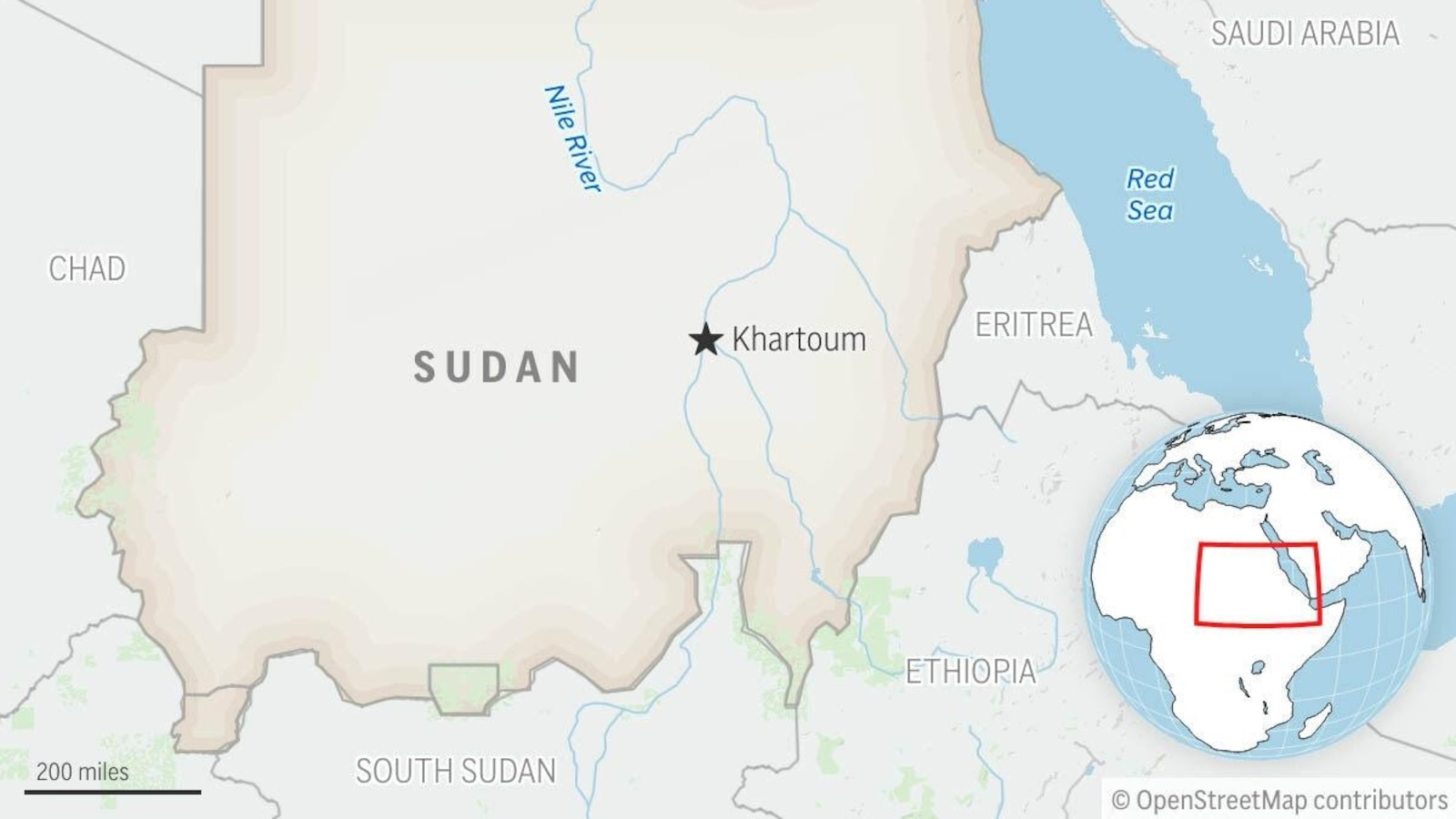
UN Resident and Humanitarian Coordinator for Sudan, Denise Brown, returned to Khartoum this week along with a core team of UN officials, signaling a commitment to maintaining a presence in the capital despite the ongoing dangers. The Secretary-General's Personal Envoy has also been conducting regional diplomatic meetings in an attempt to explore de-escalation options, though no concrete progress has been announced.
The situation in Kordofan illustrates both the scale of the fighting and the complex humanitarian calculus on the ground. The Sudanese Armed Forces announced this week that they had reopened the road linking Dilling, South Kordofan, and North Kordofan following intense battles with the RSF and allied SPLM-N forces. The route's reopening was welcomed by aid workers who had struggled to access conflict-affected communities in the region, but fighters from multiple factions continue to operate in the area, and security conditions remain precarious.
The humanitarian funding gap puts Sudan in a grim global context. While the war in Iran and the associated energy market disruption have dominated international headlines, Sudan — home to a conflict that experts have called one of the worst humanitarian emergencies in the world — risks fading from the international agenda just as needs are peaking. Aid agencies operating in the country say the 16 percent funding level means life-saving operations in nutrition, water, and primary healthcare are being curtailed or suspended.
Human rights organizations have called on Western governments to substantially increase their financial commitments to the Sudan crisis. The United States, European Union, and Gulf states have all made pledges, but actual disbursements have lagged behind what was promised, particularly as competing crises in the Middle East and Ukraine absorb resources and political attention. Without a significant influx of funding in the coming months, UN officials say they will have no choice but to make painful decisions about which programs to cut — and which populations to leave without assistance.