64 Killed Including 13 Children in Strike on Sudan's Al Daein Teaching Hospital, WHO Says
The attack on the East Darfur hospital on Friday night rendered it non-functional and brought the total death toll from attacks on Sudan's health facilities to more than 2,000 in the three-year civil war.

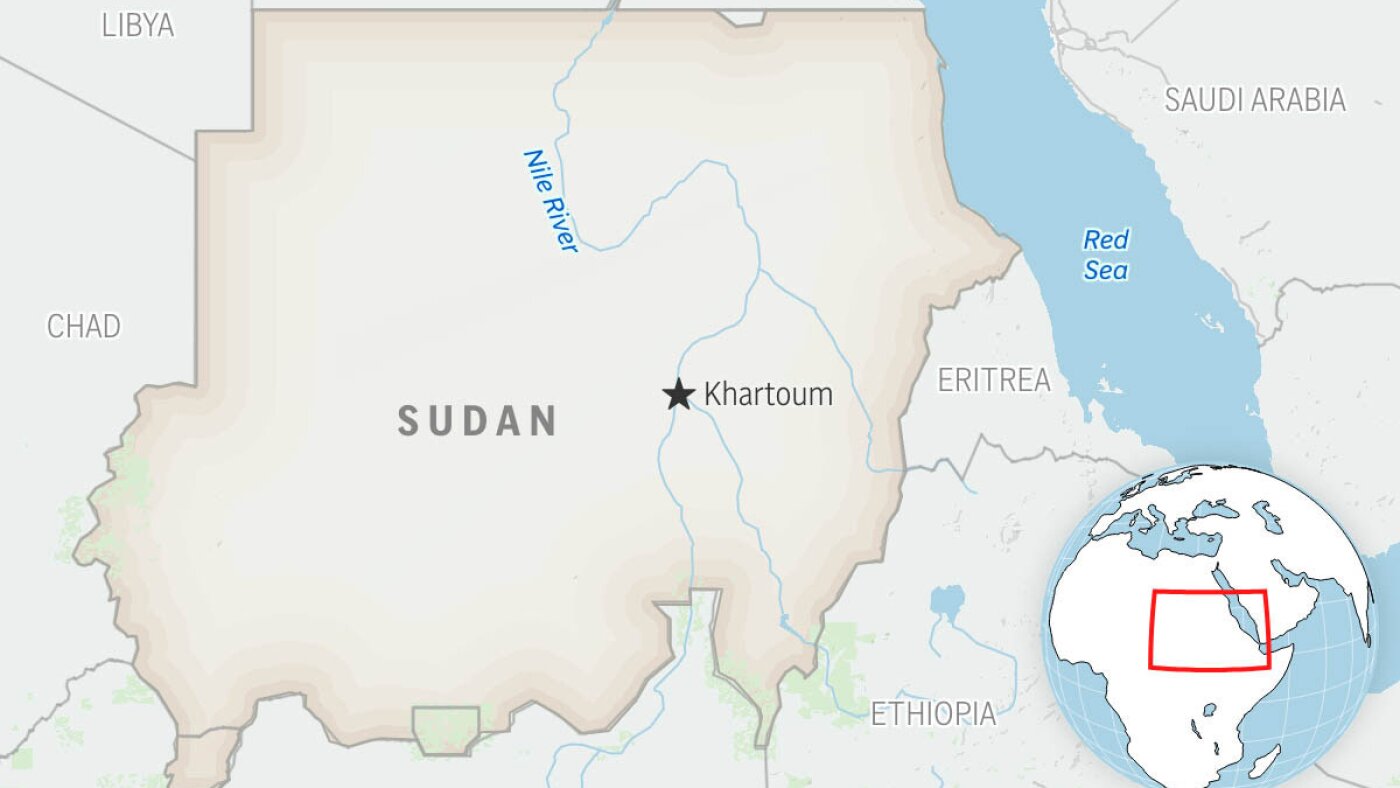
A strike on the Al Daein Teaching Hospital in East Darfur, Sudan, killed at least 64 people on Friday night, including 13 children, two nurses, and one physician, the World Health Organization reported Saturday. Another 89 people were wounded in the attack, including eight health workers, and the hospital — which served as the primary care facility for the capital of East Darfur state — was rendered completely non-functional, cutting off emergency, pediatric, and maternity services to a population with few alternatives. The strike brought the total number of people killed in attacks on Sudanese medical facilities to more than 2,000 since the country's civil war began in April 2023, according to WHO figures.
WHO Director-General Tedros Adhanom Ghebreyesus condemned the attack in stark terms, stating: 'Enough blood has been spilled. Enough suffering has been inflicted. The time has come to de-escalate the conflict in Sudan and ensure the protection of civilians, health workers and humanitarians.' His statement noted that the WHO had now confirmed 213 separate attacks on health care infrastructure since Sudan's civil war began — an average of roughly one attack every five days over nearly three years. The organization called on both the Sudanese Armed Forces and the paramilitary Rapid Support Forces to immediately halt attacks on civilian facilities and to allow humanitarian access to affected populations.
Responsibility for the strike remained disputed. The Rapid Support Forces, which has been fighting the Sudanese military in a brutal conflict for nearly three years, blamed the Sudanese Armed Forces for the hospital attack. The military denied targeting the hospital, with two military officials acknowledging the area was struck but claiming the intended target was a nearby police station rather than the medical facility. This mutual denial has become a recurring feature of the Sudan conflict, where both sides have been credibly accused of war crimes but accountability has been nearly impossible to establish without independent investigators on the ground. Doctors Without Borders called the attack a 'devastating blow' to health care access in a region already critically underserved.
Sudan's civil war erupted in April 2023 when tensions between military chief Gen. Abdel Fattah al-Burhan and RSF commander Gen. Mohamed Hamdan Dagalo, known as Hemedti, exploded into open fighting that quickly spread across the country. The conflict has killed an estimated 40,000 to 150,000 people, with aid organizations believing the true death toll is substantially higher than official counts due to restricted access and limited documentation. The Darfur region has suffered some of the most intense violence, with the RSF accused of systematic killings of civilians from specific ethnic groups in patterns that U.S. Secretary of State Marco Rubio characterized as genocide in a statement issued earlier this year. Nearly 12 million people have been displaced by the fighting, making Sudan's crisis the world's largest displacement emergency and one of the least-covered humanitarian catastrophes of the current era.
International pressure for a ceasefire has repeatedly failed to produce results, as both the military government and the RSF believe they can achieve outright military victory. The United States and Saudi Arabia have tried to broker negotiations through the Jeddah platform, but talks have stalled repeatedly as both parties refuse to honor previously agreed humanitarian measures. The destruction of Al Daein Teaching Hospital adds urgency to calls from health organizations for a humanitarian ceasefire, as Sudan's health care system was deeply fragile before the war even began. The WHO estimates that fewer than 30 percent of Sudan's health facilities remain fully operational, with the rest destroyed, damaged, or functioning only partially due to supply shortages and staff displacement caused by the ongoing fighting throughout the country.