World Powers Pledge $1.5 Billion for Sudan as War Enters Fourth Year — and Both Warring Sides Are Excluded From the Table
Germany hosted a 60-delegation Berlin conference on the three-year anniversary of Sudan's civil war, raising 1.3 billion euros in aid for a conflict that has killed 400,000 people and displaced 14 million, while the UN called it 'an abandoned crisis.'

Exactly three years after fighting erupted between Sudan's Armed Forces and the Rapid Support Forces on April 15, 2023, world leaders gathered in Berlin on Tuesday and pledged 1.3 billion euros — approximately $1.5 billion — in humanitarian aid for a conflict that has become one of the worst human catastrophes in modern history.
The Berlin conference, organized by Germany and attended by approximately 12 foreign ministers and more than 60 delegations, aimed to rally donor nations and reopen peace negotiations for a war that has killed an estimated 400,000 people, displaced 14 million, and pushed nearly 34 million Sudanese — 65 percent of the entire population — into urgent need of assistance. UN Secretary-General António Guterres, who attended alongside African Union chairman Mahmoud Ali Youssou, made no effort to soften his assessment. "This nightmare must end," Guterres told delegates, describing the third anniversary as "a tragic milestone in a conflict that has shattered a country."
Germany committed 212 million euros ($250 million) of the total, the largest single contribution, with Foreign Minister Johann Wadephul saying the pledges "help to alleviate the suffering of the people in Sudan, they help to save lives, and they show that this conflict has not been forgotten." The pledging conference drew comparisons to similar donor efforts for Syria and Ukraine, though Sudan's crisis has received a fraction of the international media attention devoted to those conflicts — a disparity that aid organizations have repeatedly criticized as reflecting unequal concern for African suffering.
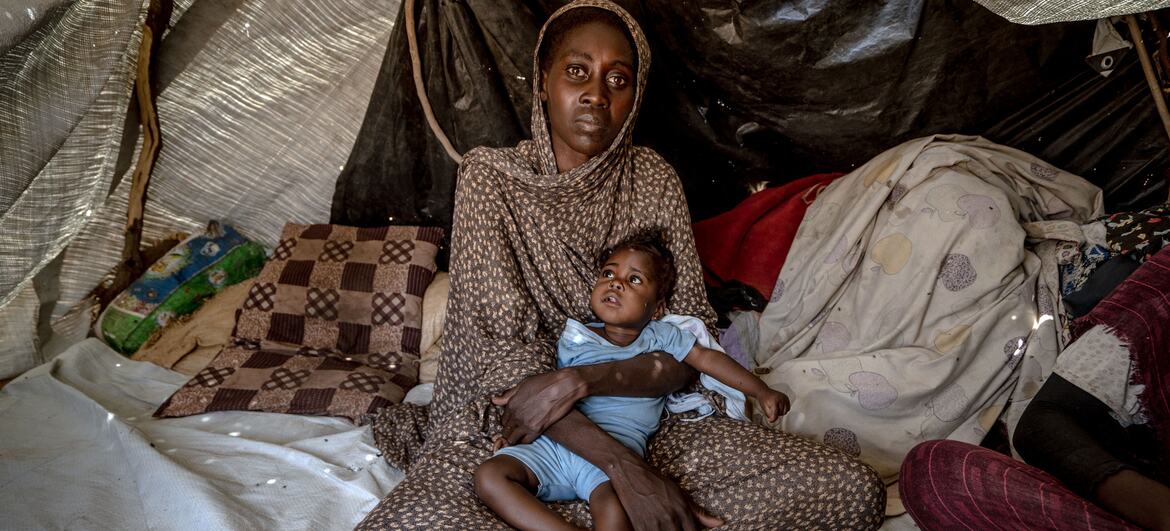
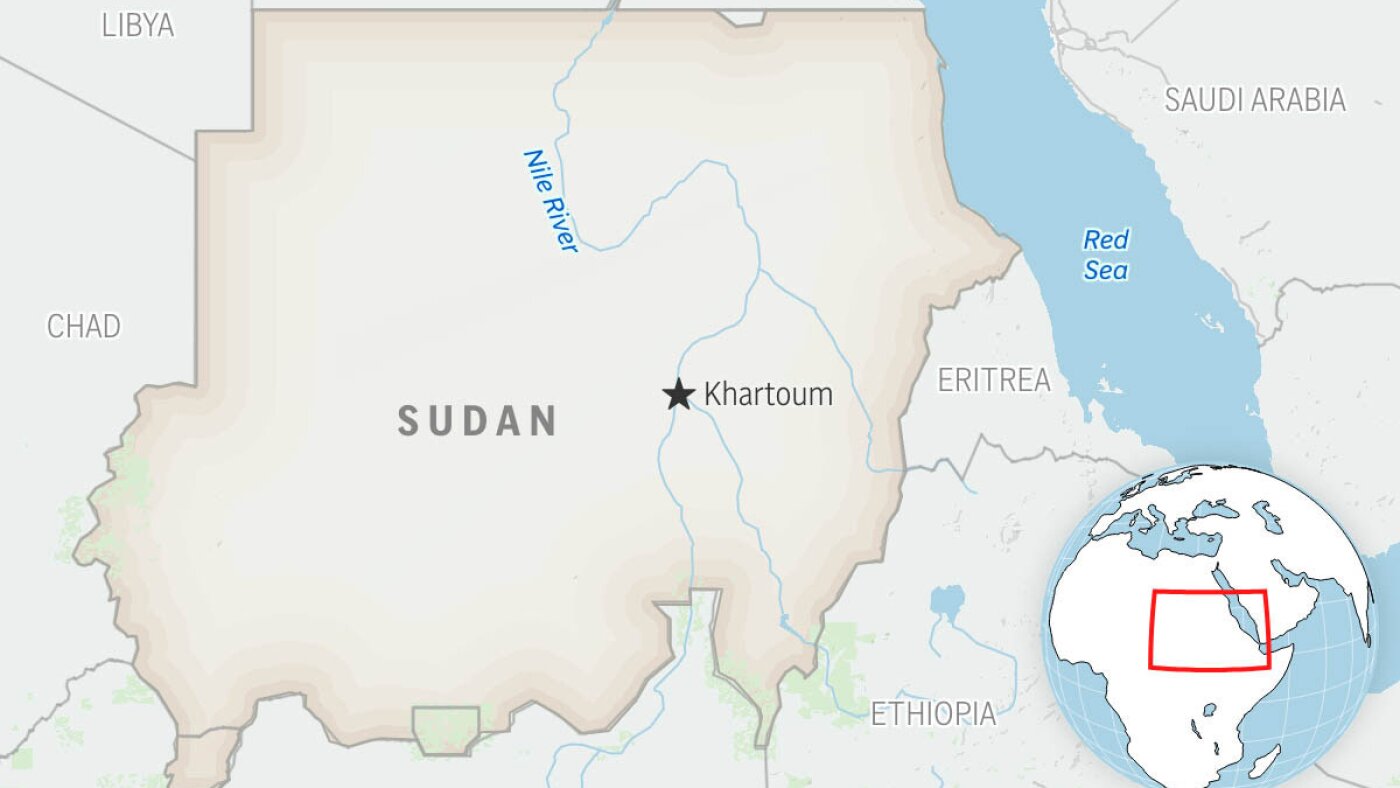
The UN Emergency Relief Coordinator Tom Fletcher delivered a searing assessment of the international community's record. "This grim and chastening anniversary marks another year when the world has failed to meet the test of Sudan," Fletcher said. The statistics he cited were staggering: nearly 700 civilians killed in drone strikes since January 2026 alone; famine spreading across Darfur, the Nuba Mountains, and Khartoum State; more than 12.7 million people — primarily women and girls — requiring support related to sexual and gender-based violence, a fourfold increase from 3.1 million in 2023. Approximately 80 percent of displaced families are skipping meals, and nearly one in five have been forced to send children to work.
Notably, neither of the warring parties — the Sudanese Armed Forces (SAF) led by General Abdel Fattah al-Burhan nor the paramilitary Rapid Support Forces (RSF) led by Mohamed Hamdan Dagalo, known as Hemeti — were invited to the conference. The Sudanese government in Khartoum rejected the gathering as a "colonial tutelage approach" and criticized Western nations for excluding the internationally recognized government. Both parties have been accused of war crimes, with UN investigators having previously determined that the RSF committed acts of genocide in Darfur. The exclusion of both sides underscored the fundamental difficulty of a conflict in which no credible peace process exists.
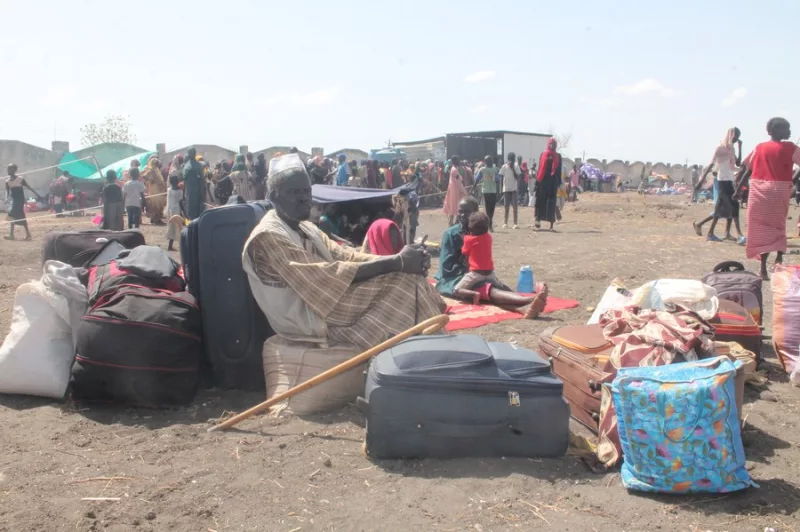
The $1.5 billion pledged Tuesday represents a significant but incomplete response to a humanitarian appeal that requires substantially more. International aid organizations have warned repeatedly that funding shortfalls are forcing them to reduce food rations and close health facilities at precisely the moment when needs have never been greater. The war has also produced a catastrophic public health collapse: hospitals and clinics have been systematically looted or destroyed, disease surveillance systems have broken down, and cholera outbreaks have gone unchecked in displacement camps across eastern Sudan. Approximately 4.5 million people inside Sudan have been displaced from their homes, joining the estimated 4.4 million who have fled to Chad, Egypt, and South Sudan.
The Berlin conference offered no roadmap to ending the fighting, and aid officials acknowledged privately that humanitarian pledges alone cannot stop a war driven by the personal ambitions and institutional interests of two rival military commanders. What the conference did accomplish, supporters argued, was keeping international attention on a crisis that had been in danger of disappearing entirely from the global agenda during the same week that the Iran war and European politics dominated the news cycle.