State Department Urges Americans to Leave Israel as Red Cross Warns Conflict Nears Point of No Return
With 180 people injured in Saturday's missile strikes near Dimona and no confirmed ceasefire framework in place, the U.S. government has begun organizing evacuation routes while humanitarian officials warn of an irreversible threshold.
The U.S. State Department announced Monday that it is organizing bus routes from Israel to Jordan for American citizens seeking to leave the country, as the ongoing U.S.-Israeli conflict with Iran enters its fourth week with no confirmed ceasefire framework in place. The evacuation advisory came the same day President Trump claimed "very good and productive" talks with Tehran, even as Iran's foreign ministry denied any direct negotiations had taken place — leaving Americans in Israel in a deeply uncertain security environment with no clear timeline for resolution.
An estimated 50,000 to 100,000 American citizens currently reside in or are visiting Israel, according to State Department figures. The department's "Exercise Increased Caution" advisory, issued for U.S. citizens worldwide last month, has been upgraded to more urgent language specifically for those in Israeli territory. Officials confirmed that a bus convoy system connecting Tel Aviv and Jerusalem to the Allenby Bridge crossing into Jordan is being coordinated with Israeli and Jordanian authorities, providing a ground-based exit for those unable or unwilling to rely on Ben Gurion International Airport, where flight disruptions and security complications have multiplied over recent weeks.
The International Committee of the Red Cross issued one of its starkest warnings to date on Monday, with senior officials cautioning that the conflict may be approaching a "point of no return" that could draw Lebanon, Hezbollah, and other regional actors into a wider conflagration. The Israeli military confirmed it struck a critical bridge in southern Lebanon over the Litani River on Sunday, responding to what it described as an escalating series of cross-border rocket and drone attacks from Hezbollah positions. A broadened war involving Hezbollah — which fields an arsenal estimated at more than 100,000 rockets aimed at Israeli population centers — would represent a catastrophic escalation beyond anything seen in the conflict so far.
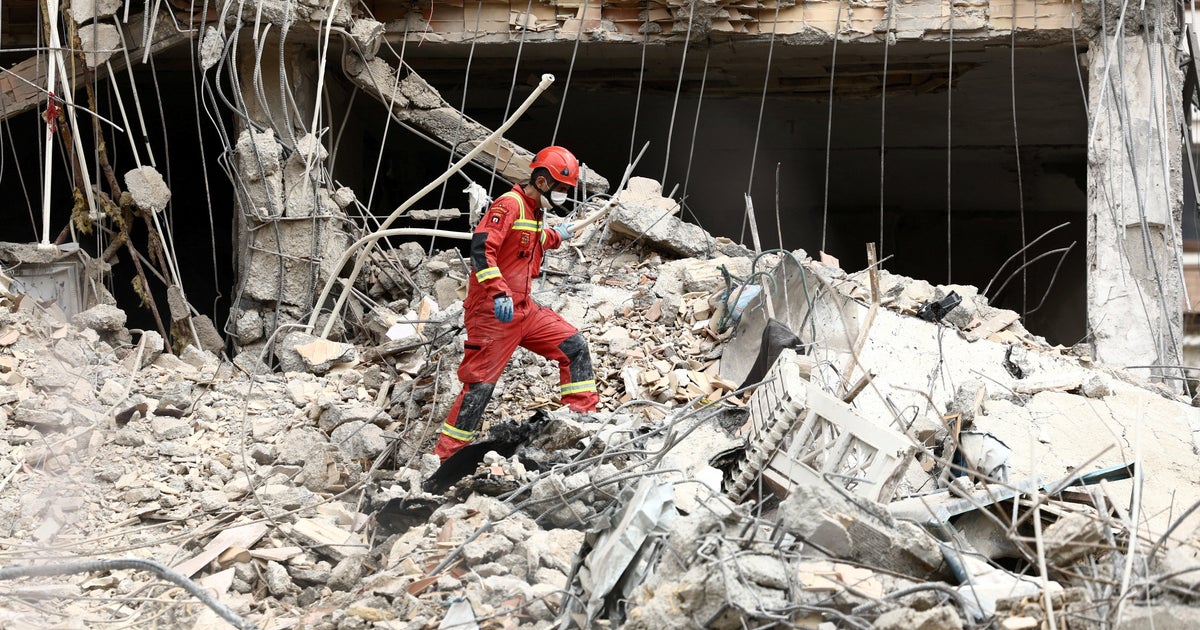
On the ground inside Israel, Saturday's Iranian missile strikes on the towns of Arad and Dimona — which left more than 180 people hospitalized with blast injuries and shattered glass wounds — sent a new wave of anxiety through a civilian population already living under near-constant missile alert. Bomb shelters that had been used only sporadically in the conflict's early days have seen sustained and repeated use again. Psychological health services in southern Israel reported a significant spike in emergency calls following Saturday's attacks, particularly among residents living close to the Negev Nuclear Research Center, who expressed specific fear about the proximity of the Iranian strikes to the facility. The International Atomic Energy Agency confirmed no radiation abnormalities, but the geographic closeness of the strikes to a nuclear site alarmed governments across Europe and the Arab world.
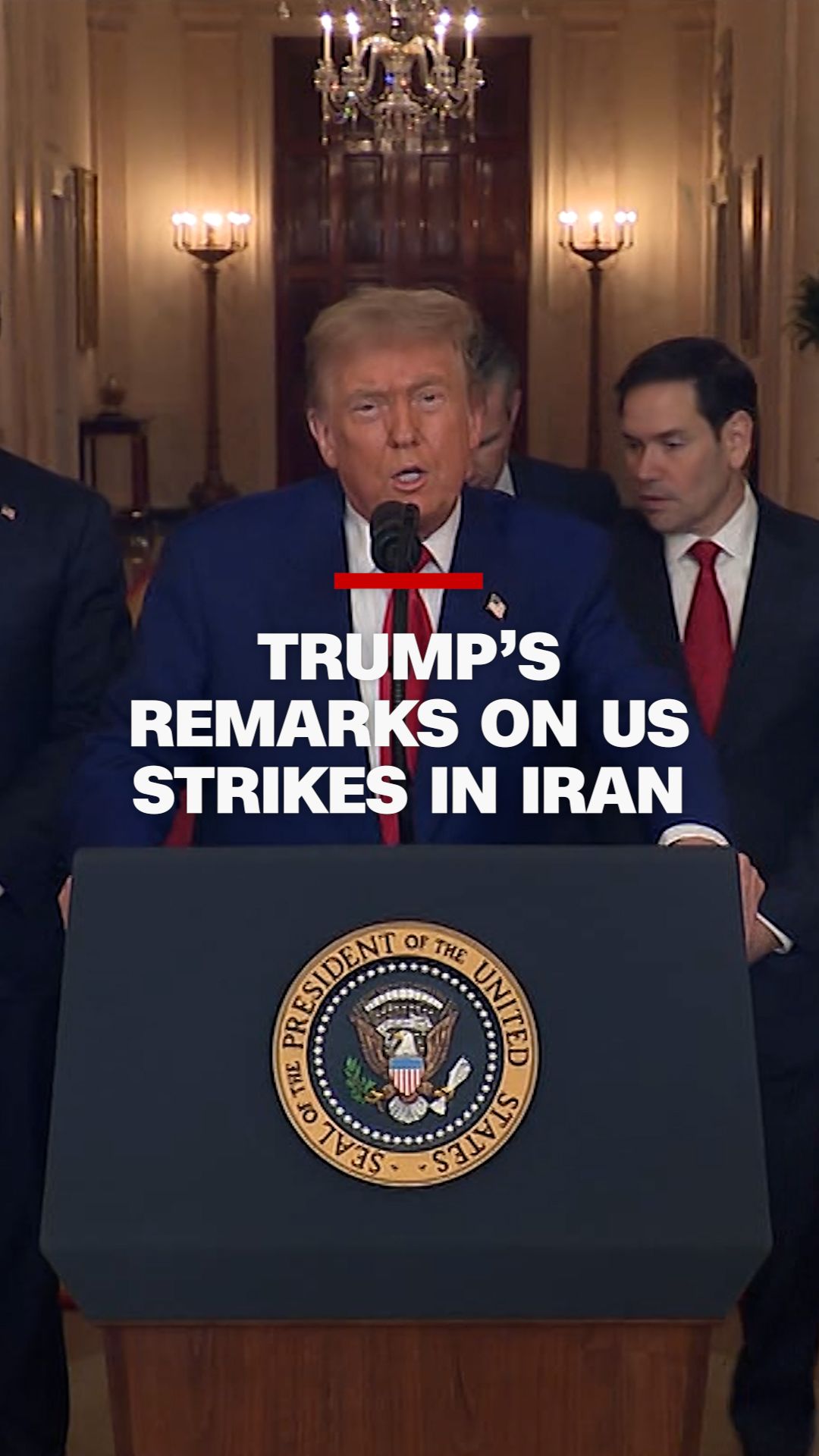
The State Department's bus-route announcement carries a clear practical and diplomatic message: a swift resolution remains uncertain, and Americans should prepare for scenarios in which the current five-day pause in hostilities does not lead to a permanent ceasefire. Trump's claim that Iran has agreed to "never have a nuclear weapon" and that "almost all points of agreement" have been reached stands in unresolved contradiction to Tehran's denial that any direct talks occurred. Military and diplomatic analysts in Washington say the five-day pause is neither a ceasefire nor a negotiating framework — it is a window during which either side could resume full hostilities. Egypt, the United Arab Emirates, and several European governments have offered to host negotiations, and the United Nations has called for an emergency Security Council session. For American citizens in Israel watching missile alerts and evacuation buses with equal unease, the message from their own government is an implicit acknowledgment that this window may well close before a deal is reached.