60+ Nations Convene in Brussels Around Palestinian PM as EU Pushes Harder for Two-State Solution
Co-hosted by Belgium and EU chief diplomat Kaja Kallas, the summit drew Palestinian PM Mohamed Mustafa and produced calls for settler sanctions, Association Agreement suspension, and ICC enforcement.

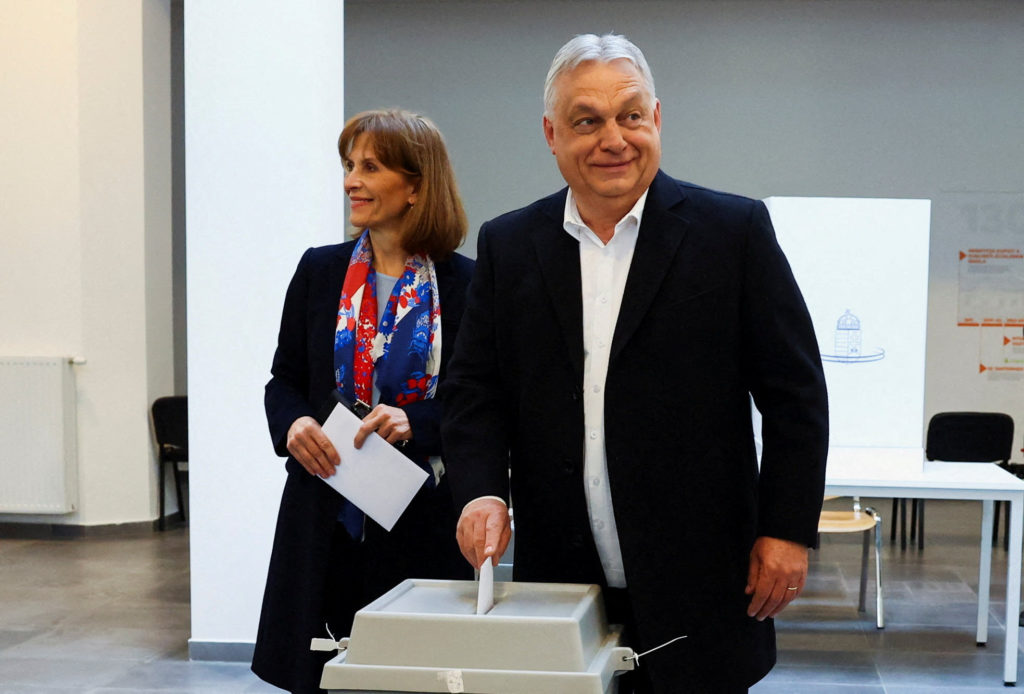
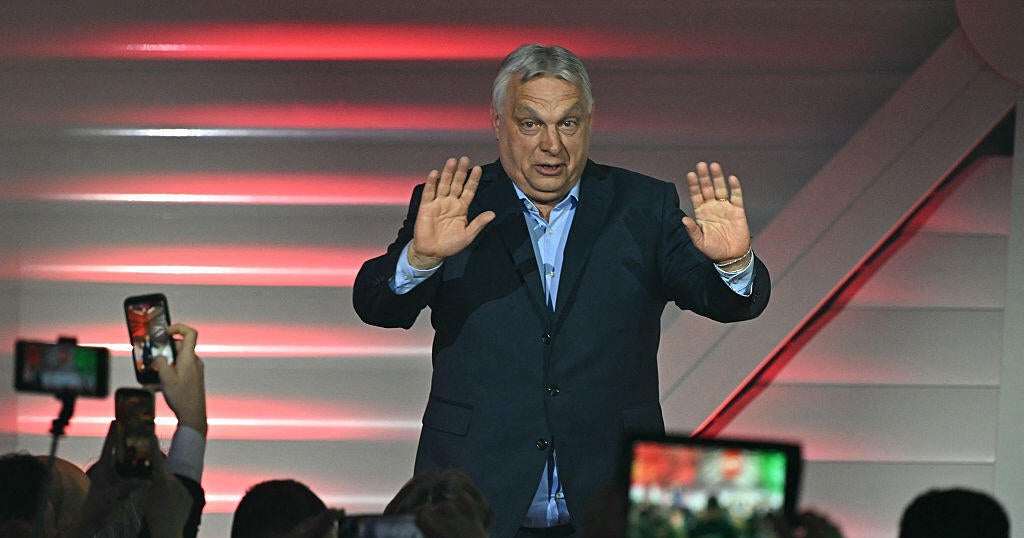
More than 60 nations sent representatives to Brussels on Monday for a high-stakes diplomatic summit aimed at charting a path toward Palestinian statehood and long-term peace in Gaza and the West Bank — a gathering that took on new urgency and new possibilities following last week's landslide election defeat of Hungarian Prime Minister Viktor Orbán, who had long served as the EU's most consistent obstacle to unified pressure on Israel.
The summit was co-hosted by Belgian Foreign Minister Maxime Prévot and EU chief diplomat Kaja Kallas, with Palestinian Prime Minister Mohamed Mustafa as the central guest. It was organized under the framework of the Global Alliance for the Implementation of the Two-State Solution, a coalition assembled by the European Union to build international consensus around a negotiated resolution to the Israeli-Palestinian conflict. The meeting drew foreign ministers and senior officials from across Europe, the Arab world, Africa, Latin America, and Asia.
"Our common objective of achieving one security structure under the legitimate authority should guide coordination," Mustafa told delegates in his opening address. He called for "one state, one government, one law and one goal" in Gaza and the West Bank, outlined a framework for the gradual disarming of all armed factions including Hamas, and demanded a full Israeli military withdrawal from Gaza as a precondition for any sustainable governance arrangement. He also warned that fragmented control of Palestinian territory would undermine any lasting peace effort.
The tone among European leaders was notably more assertive than at previous diplomatic gatherings, buoyed by the political transformation in Budapest. Hungary under Orbán had repeatedly used its EU veto power to block or water down measures targeting Israel, including proposed targeted sanctions on settlers involved in West Bank violence. With Orbán's Fidesz party now in opposition and Péter Magyar's incoming government signaling a return to mainstream EU positions, those blockages are expected to lift. Kallas indicated that a qualified majority of 15 of the EU's 27 member states would be sufficient to move forward on settler sanctions without requiring unanimity.
Spanish Prime Minister Pedro Sánchez used the Brussels gathering to renew his call for suspending the EU-Israel Association Agreement, which governs trade and political relations between Brussels and Jerusalem. "A government that violates international law cannot be our partner," Sánchez said. Suspension of the Association Agreement would require unanimous support from EU member states — a higher bar than the qualified majority needed for targeted sanctions — but the political calculation has shifted markedly in recent weeks.
The summit also addressed the status of the International Criminal Court's arrest warrant for Israeli Prime Minister Benjamin Netanyahu, issued after the court found sufficient grounds to believe he bears criminal responsibility for alleged war crimes in Gaza. Hungary's incoming government under Magyar is expected to rejoin the ICC, removing another obstacle to enforcement within EU territory. Several European leaders at the summit indicated they were prepared to enforce the warrant if Netanyahu traveled to their countries.
Belgian Foreign Minister Prévot acknowledged the difficulty of the task ahead. "The two-state solution is being made more difficult by the day," he told reporters, pointing to accelerating Israeli settlement construction in the West Bank and continued military operations in Gaza. The EU is the largest single donor to the Palestinian Authority and Israel's top trading partner, giving Brussels significant economic leverage it has historically been reluctant to use.
The summit produced no binding resolutions but resulted in a joint communiqué affirming the participants' commitment to the two-state framework and outlining specific steps — including an accelerated donor conference for Palestinian governance institutions — to be completed by the end of the second quarter of 2026.