Seven Allies Back Strait of Hormuz Coalition — But None Will Send Ships
The UK, France, Germany, Italy, the Netherlands, Japan, and Canada signed a joint statement expressing readiness to help reopen the Strait of Hormuz, but diplomatic sources confirmed none will deploy naval vessels — a gesture that analysts called a face-saving move to placate an enraged Trump.

Seven of America's closest allies — the United Kingdom, France, Germany, Italy, the Netherlands, Japan, and Canada — issued a joint statement on Wednesday declaring their "readiness to contribute to appropriate efforts" to reopen the Strait of Hormuz, the critical waterway that has been effectively closed since Iran moved to block commercial shipping following the U.S.-Israeli strikes on February 28. More than a dozen additional nations, including South Korea, Norway, Denmark, Sweden, Finland, and several Eastern European NATO members, subsequently signed on to the statement.
But the declaration, which diplomats spent weeks negotiating, came with a significant catch: none of the signatories committed to sending naval vessels to the region, and France, Germany, Italy, and Japan had all publicly stated before signing that they would not deploy warships to the strait during the active conflict. The statement's careful language — "appropriate efforts" rather than any specific military commitment — was a deliberate hedge, designed to acknowledge Trump's demands while not obligating any government to action that its parliament or public would not support.
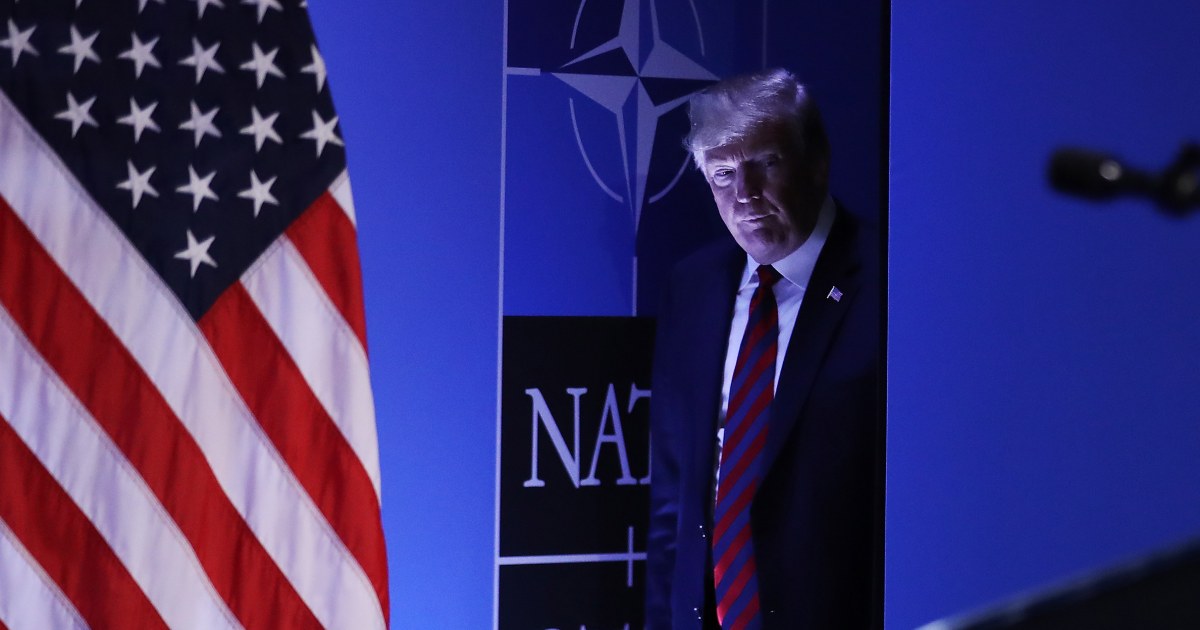
President Trump, who had denounced NATO allies as "COWARDS" in a social media post Tuesday for their refusal to help police the Strait, appeared to receive the statement coolly. "It's a start," he told reporters at the White House on Thursday. "But talk is cheap. I need ships and planes." The seven nations have significant naval capabilities — Britain has a carrier strike group currently in the Atlantic, and France has the Charles de Gaulle carrier group that could theoretically be redeployed — but the political will to enter an active conflict zone has not materialized.
The geopolitical stakes are enormous. The Strait of Hormuz, a narrow channel between Iran and Oman that is no more than 21 miles wide at its narrowest point, normally carries roughly 20 percent of the world's oil and a significant share of global LNG. Its de facto closure has sent energy prices to levels not seen since mid-2022, pushed Brent crude above $100 per barrel for the first time in four years, and triggered emergency coordination among the International Energy Agency's 31 member nations.
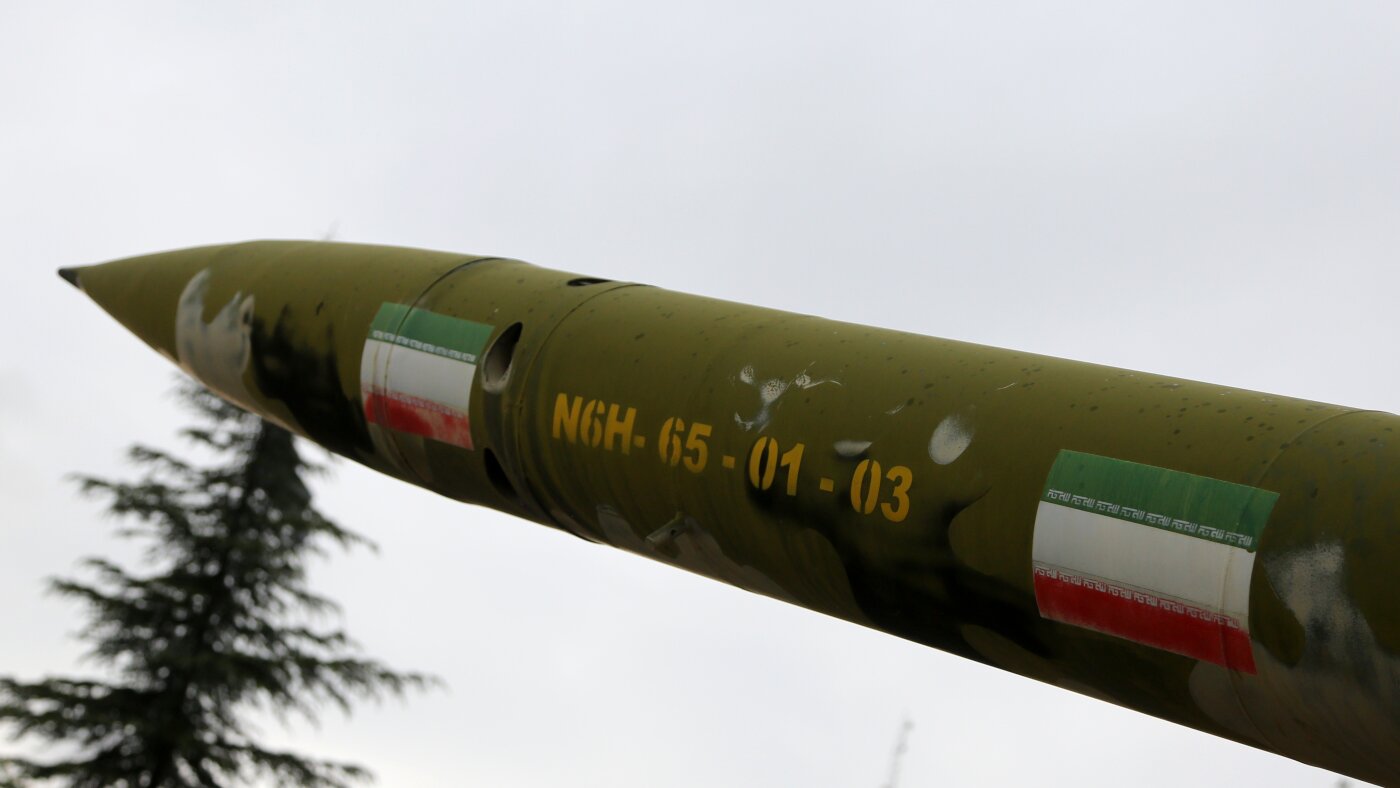
Iran's new Supreme Leader, Mojtaba Khamenei — who assumed the position after his father Ayatollah Ali Khamenei was killed in the first wave of U.S.-Israeli strikes — has repeatedly insisted that the Strait will remain closed "until the aggression ends." Iranian naval forces have deployed mines, launched attacks on commercial tankers, and used swarms of one-way attack drones to deter transit. At least four commercial vessels have been damaged or sunk since the conflict began, and Lloyd's of London has suspended war risk insurance for Hormuz transits, effectively pricing most shipping out of the waterway.
The U.S. Navy's Fifth Fleet, headquartered in Bahrain, has been conducting minesweeping operations and helicopter patrols, and has reportedly destroyed more than 30 Iranian fast-attack boats since the conflict began. But senior Pentagon officials have acknowledged that fully reopening the strait to commercial traffic would require a sustained presence that stresses current force posture. The arrival of the USS Tripoli group — carrying more than 2,000 Marines from Japan — and the imminent departure of the USS Boxer group from California are expected to significantly increase that capacity within weeks.
Economically, the pressure to reopen the strait is building fast. Japan imports nearly 90 percent of its oil through Hormuz. South Korea, which signed the joint statement on Thursday, sources roughly 70 percent of its crude from Gulf producers. India, which did not sign but has been holding emergency talks with Washington, faces rising inflation and a weakening rupee as oil import costs balloon. European nations are drawing down strategic reserves at rates not seen since the 2022 Russian gas cutoff.
NATO Secretary General Mark Rutte held a press conference Thursday afternoon emphasizing that the alliance "stands in solidarity" with its allies engaged in the conflict, but stopped short of committing any NATO assets to a Hormuz operation. He said the alliance was conducting consultations and "will have more to say in the coming days." Critics noted that NATO's charter was not designed to cover operations in the Persian Gulf, and that any multilateral naval action would need to be structured outside the formal alliance framework.