Seoul's Richest District Houses Hidden Slum as Residents Fight Forced Eviction
Hundreds of residents in Gangnam's shantytown defy city redevelopment plans, fighting for housing rights in area notorious for exorbitant property costs.
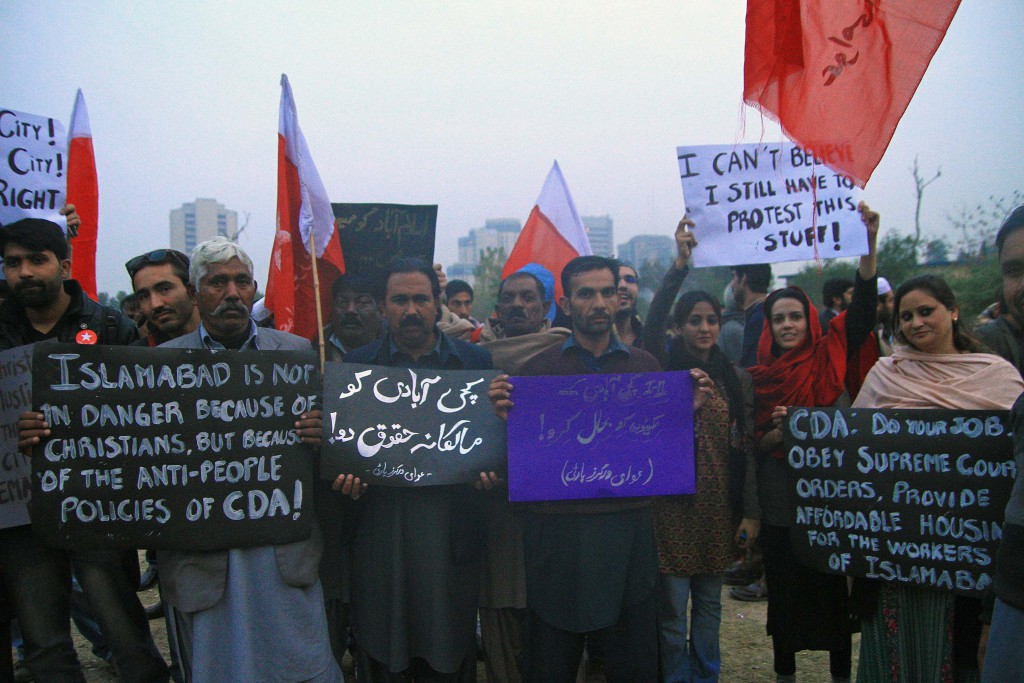
In the heart of Gangnam, Seoul's most affluent district made famous by Psy's global hit song, hundreds of residents are mounting a desperate fight against eviction from what may be South Korea's most unlikely slum. The shantytown exists in stark contrast to the gleaming high-rises and luxury developments that define the area, where housing costs rank among the world's most exorbitant. City officials have targeted the settlement for redevelopment, but residents are defying eviction orders and demanding recognition of their right to remain in the area where many have lived for decades.
The contrast between the informal settlement and its surroundings highlights the extreme inequality that has come to characterize modern Seoul. Gangnam district has become synonymous with wealth and status in South Korean society, with apartment prices reaching astronomical levels that place homeownership beyond the reach of ordinary citizens. The presence of a traditional Korean shantytown amid this concentrated wealth represents a powerful symbol of the housing crisis that has gripped the capital city for years.
Residents of the settlement argue they have established legitimate claims to their homes through long-term residence and community development. Many have lived in the area for decades, establishing small businesses and social networks that form the backbone of their daily lives. They contend that forced displacement without adequate compensation or alternative housing options would violate their fundamental rights and destroy established communities that have contributed to the area's development over time.
The Seoul city government views the shantytown as incompatible with Gangnam's development trajectory and argues that redevelopment will benefit the broader community through improved infrastructure and housing stock. Officials have proposed relocation assistance and compensation packages, but residents say these offers fall far short of providing equivalent housing opportunities in the same area. The gap between official compensation offers and actual housing costs in Gangnam district remains substantial, effectively forcing longtime residents to relocate far from their established communities.
The standoff reflects broader tensions over urban development and housing rights that have emerged across major Asian cities experiencing rapid gentrification. Housing advocacy groups have rallied behind the Gangnam residents, arguing their case represents a crucial test of whether cities will prioritize affordable housing and community preservation alongside economic development. The outcome could establish important precedents for similar disputes across Seoul and other South Korean cities facing pressure to redevelop low-income neighborhoods in high-value areas.