Sarah Mullally Becomes First Female Archbishop of Canterbury in Historic Ceremony
The former Navy nurse was enthroned Wednesday at Canterbury Cathedral, marking a milestone for the Church of England that has drawn both celebration and criticism from Anglican factions worldwide.
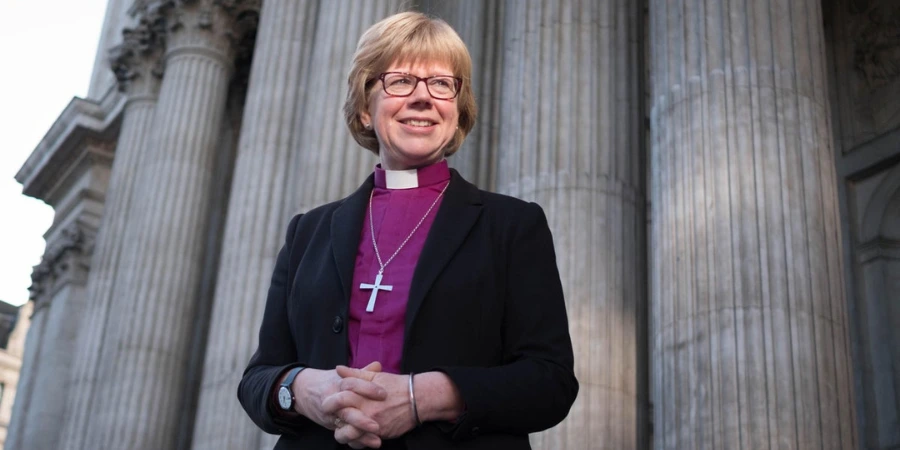
Sarah Mullally was enthroned on Wednesday as the 106th Archbishop of Canterbury, becoming the first woman to hold the position in the nearly 1,500-year history of the Church of England. The ceremony at Canterbury Cathedral drew thousands of attendees and was broadcast to millions of viewers worldwide, marking a watershed moment for one of the oldest Christian institutions.
Mullally, 67, arrived at the cathedral's great west door and knocked three times with her pastoral staff in keeping with centuries of tradition before processing to the historic St. Augustine's Chair, where she was formally installed as the spiritual leader of the global Anglican Communion's roughly 85 million members.
The new archbishop's path to the role has been unconventional. Before entering the clergy, Mullally served as a nurse in the Royal Navy and later became Chief Nursing Officer for England, the most senior nursing position in the country. She was ordained as a priest in 1994, just two years after the Church of England voted to allow women's ordination, and was consecrated as Bishop of London in 2018.
Her appointment has drawn both celebration and criticism within the global Anglican community. Progressive factions within the church hailed the selection as a long-overdue step toward gender equality in religious leadership. Conservative Anglican leaders, particularly from churches in sub-Saharan Africa and parts of Asia, have expressed opposition, with some warning that the appointment could deepen existing divisions within the communion.
The Archbishop of Canterbury serves as the symbolic head of the worldwide Anglican Communion, though the role carries limited direct authority over the autonomous national churches that make up the fellowship. The position also comes with a seat in the British House of Lords and a prominent role in state ceremonies, including royal coronations.
Mullally succeeds Justin Welby, who resigned in late 2024 amid controversy over the church's handling of abuse allegations. The selection process for a new archbishop was extended as the church sought to navigate competing demands from its diverse global membership.
In her first address as archbishop, Mullally acknowledged the challenges facing the institution, including declining membership in Western countries, internal disagreements over social issues, and the ongoing need to address the legacy of institutional abuse. She spoke of her desire to lead with compassion and to build bridges across the theological divides within the communion.
The British government offered congratulations through Prime Minister Keir Starmer, who called Mullally's installation a historic occasion for the nation. King Charles III, who as sovereign holds the title of Supreme Governor of the Church of England, sent a personal message expressing his confidence in the new archbishop's leadership.
Not all reactions were positive. The Global Anglican Future Conference, which represents conservative provinces primarily in Africa, issued a statement expressing concern about the direction of the Church of England. Several African bishops declined invitations to attend the enthronement ceremony.
Religious historians noted that the appointment reflected broader trends across Christian denominations toward greater inclusion of women in leadership roles. The Church of England only began ordaining women as bishops in 2015, making Mullally's elevation to the most senior position a rapid progression by institutional standards.