Russia Launches Deadliest Strikes of the Year on Ukraine, Killing 17 Across Kyiv
Coordinated missile and drone attacks struck residential buildings as global attention focused on the Lebanon ceasefire. Ukraine hit back by targeting a Black Sea oil refinery.
Russian forces launched the deadliest air and missile strikes on Ukraine of the year on Friday, killing at least 17 people across Kyiv and multiple other Ukrainian cities in a coordinated bombardment that officials described as one of the most intensive single-day attacks since the start of the full-scale invasion in February 2022. The strikes came as the world's attention was focused on the fragile ceasefire taking effect in Lebanon and the opening of the Strait of Hormuz, and underscored that the war in Ukraine — now entering its fifth year — continues to grind forward with no diplomatic resolution in sight.
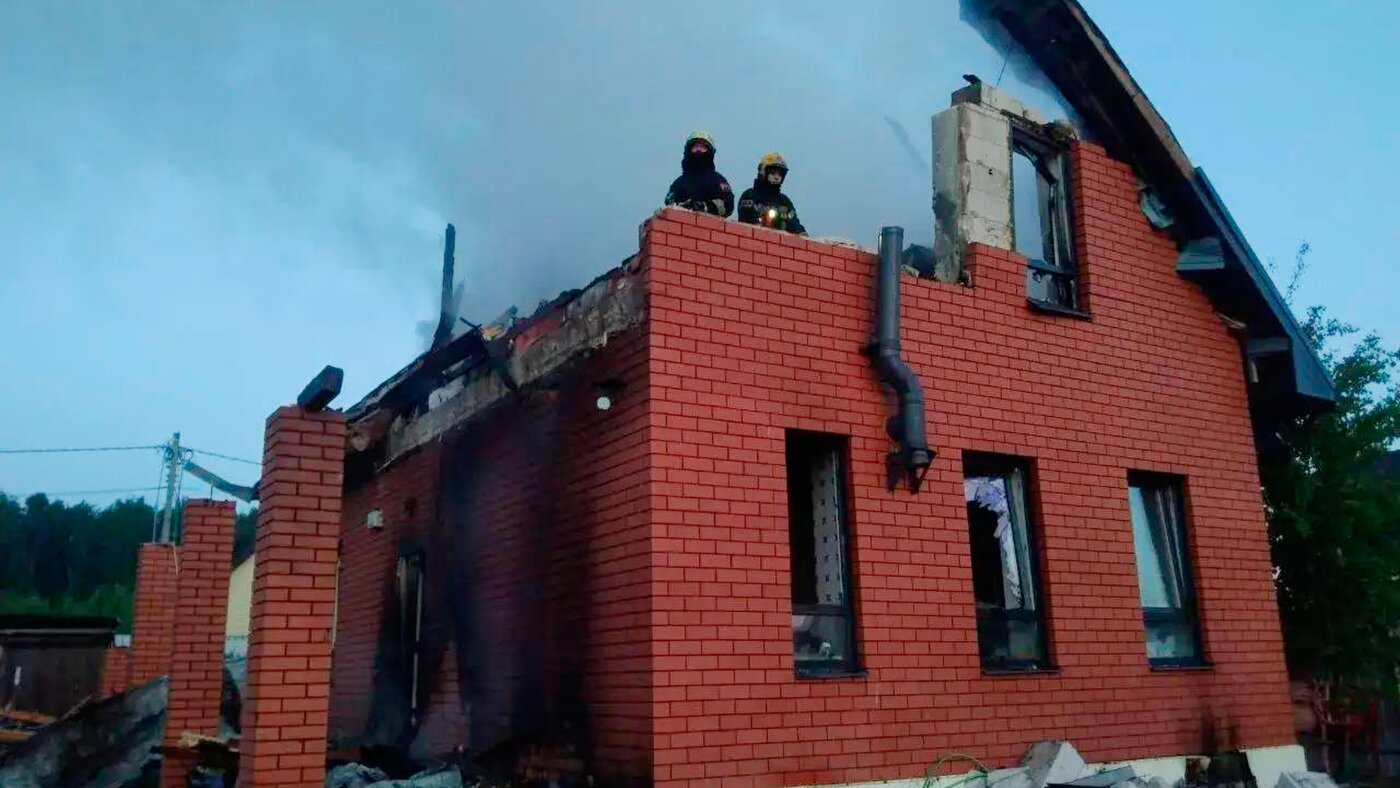
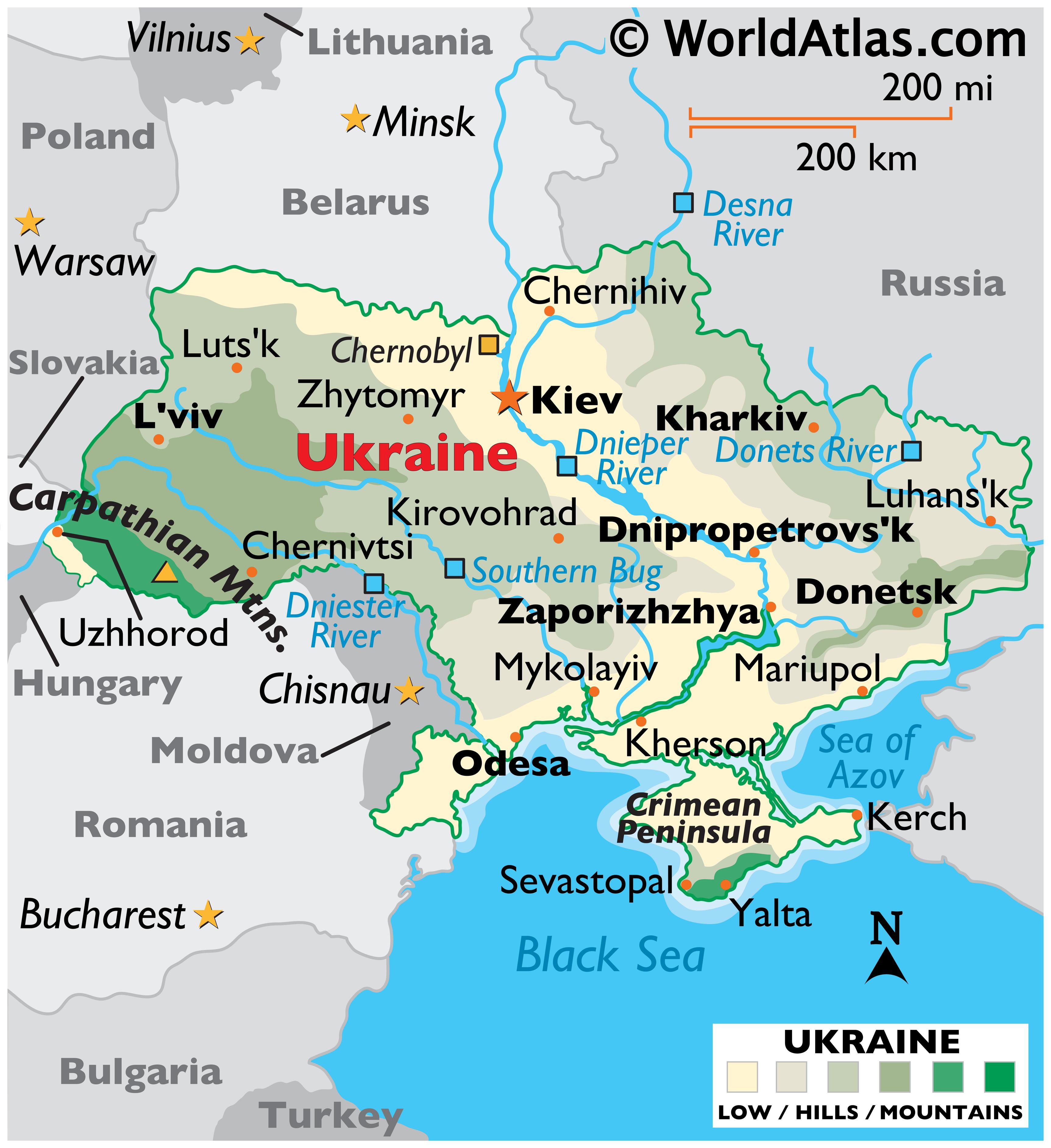
Ukrainian air defense systems intercepted a significant number of the incoming projectiles, but officials confirmed that multiple missiles and explosive drones penetrated defenses and struck residential areas in Kyiv, Kharkiv, and at least two other cities. Emergency services reported rescuing survivors from collapsed apartment buildings in Kyiv's northern districts, with footage from the scene showing extensive structural damage to multi-story residential towers. Ukrainian President Volodymyr Zelensky, in a late-night address, called the strikes "deliberate terrorism" and urged Western partners to accelerate the delivery of additional air defense systems, specifically citing the need for more Patriot interceptors.
Ukraine responded to the Russian strikes by targeting a Black Sea oil refinery near Novorossiysk, a facility that has been struck multiple times over the course of the war. Ukrainian drone strikes on the refinery triggered massive fires that were visible for miles and that Russian emergency services required hours to bring under control. The Novorossiysk refinery is one of Russia's major petroleum export facilities, and repeated Ukrainian strikes on it and other energy infrastructure are part of a deliberate strategy to impose economic costs on Russia's war effort.
The timing of the Russian strikes — on a day dominated internationally by Middle East ceasefire news — has led some analysts to suggest a deliberate signaling element in the attack: a reminder by Moscow that the war in Ukraine remains active and that Russia has not moderated its military posture despite more than three years of international isolation and sanctions. Others note that the correlation with Middle East news coverage may be coincidental, driven instead by opportunistic military planning based on weather, target availability, and the operational tempo of Russian missile production.
The state of international support for Ukraine has shifted considerably since the onset of the Iran war. U.S. military aid to Ukraine has slowed as American defense production has been prioritized toward Middle East operations, and several European allies have expressed concern about the sustainability of their own ammunition supply chains. At the same time, European nations have increased their direct bilateral military support for Kyiv, partly as a hedge against reduced American engagement. The European summit convened Friday — attended by French President Emmanuel Macron, British Prime Minister Keir Starmer, German Chancellor Friedrich Merz, and Italian Prime Minister Giorgia Meloni — addressed post-war arrangements in the Middle East but also included discussions about Ukraine's security needs heading into the summer campaign season.
Peace negotiations between Russia and Ukraine remain effectively stalled. The framework proposed by the Trump administration in early 2026 — which would have required Ukraine to cede territorial control of Russian-occupied regions in exchange for security guarantees — was rejected by Kyiv and met with deep skepticism among European allies. Russian negotiators have continued to demand not merely a ceasefire but a formal guarantee of Ukrainian neutrality and strict limits on the size of Ukraine's military — terms that Zelensky has repeatedly and publicly ruled out.