Russia Loads Second Cuba-Bound Oil Tanker as US Blockade Drives Blackouts and Food Crisis
Moscow is defying Trump's oil embargo of Cuba by sending a second tanker to the island, even as a nationwide blackout, rationed food, and suspended surgeries signal a deepening humanitarian emergency.
Russia has announced it is loading a second oil tanker destined for Cuba, in a direct challenge to a Trump administration executive order that has functionally blockaded the Caribbean island nation and pushed it toward an acute humanitarian emergency — the most severe Cuba has experienced since the collapse of the Soviet Union.
Russian Energy Minister Sergei Tsivilev confirmed on April 2 that the second vessel was being prepared for departure after a first Russian-flagged tanker carrying approximately 700,000 barrels of crude oil successfully docked at Cuba's Matanzas oil terminal in late March. "Cuba is in a total blockade; it's been cut off," Tsivilev said at an energy conference in Moscow. "Whose shipment of oil made it? A Russian vessel broke through the blockade. A second one is being loaded right now. We will not leave Cubans alone in trouble."
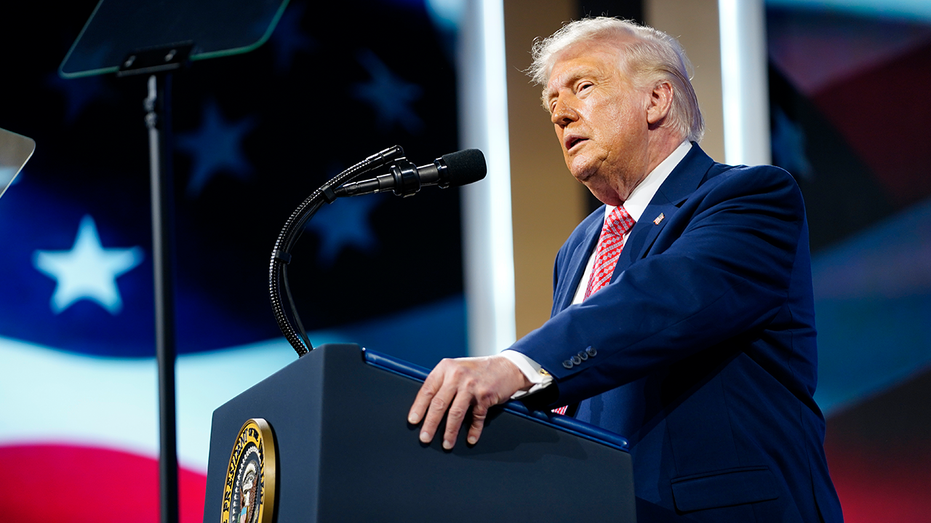
The Trump administration had granted a narrow humanitarian waiver allowing the first Russian delivery to proceed, but said future shipments would be reviewed on a "case-by-case" basis. President Trump, speaking to reporters last month, dismissed Russia's efforts. "Cuba's finished," he said. "They have a bad regime...it's not going to matter" whether Russia sends oil. Secretary of State Marco Rubio, a Cuban-American who has long advocated maximum pressure on Havana, put it more directly: "We would like to see the regime there change."
Cuba requires approximately 100,000 barrels of crude oil per day to maintain basic functions. Before Trump's executive order — signed in the weeks following the US military's January 2026 capture of Venezuelan President Nicolás Maduro — Cuba sourced roughly 44 percent of its oil from Mexico, 33 percent from Venezuela, and the remainder from Russia and Algeria. With Venezuela crippled by its own political upheaval and Mexico complying with US pressure, Cuba's supply virtually collapsed.
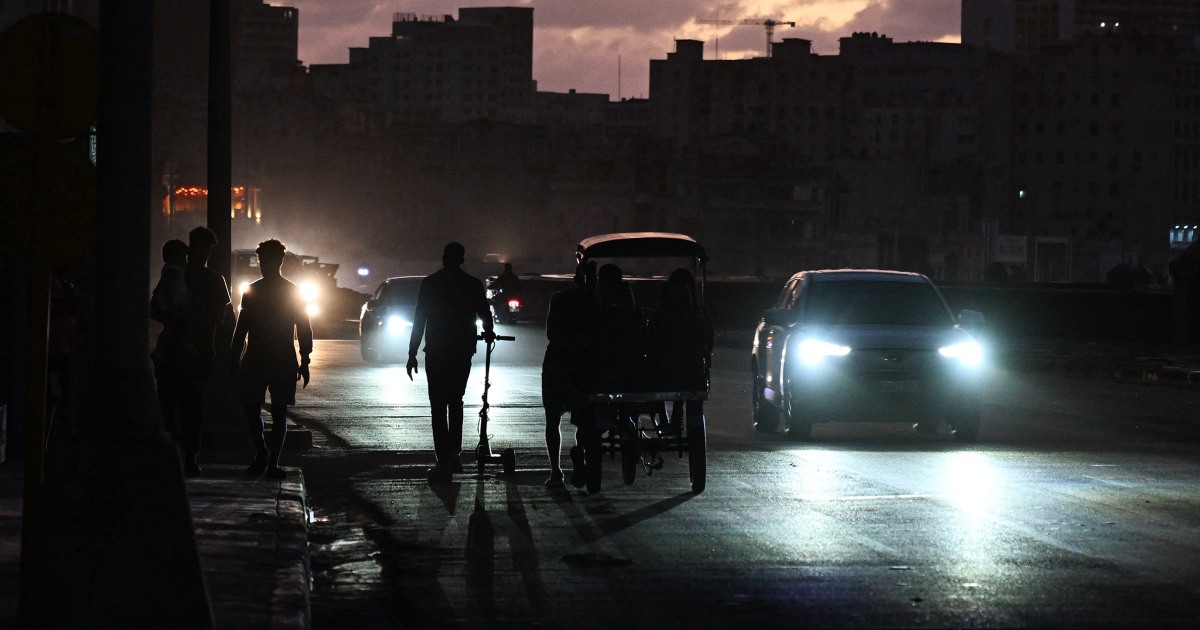
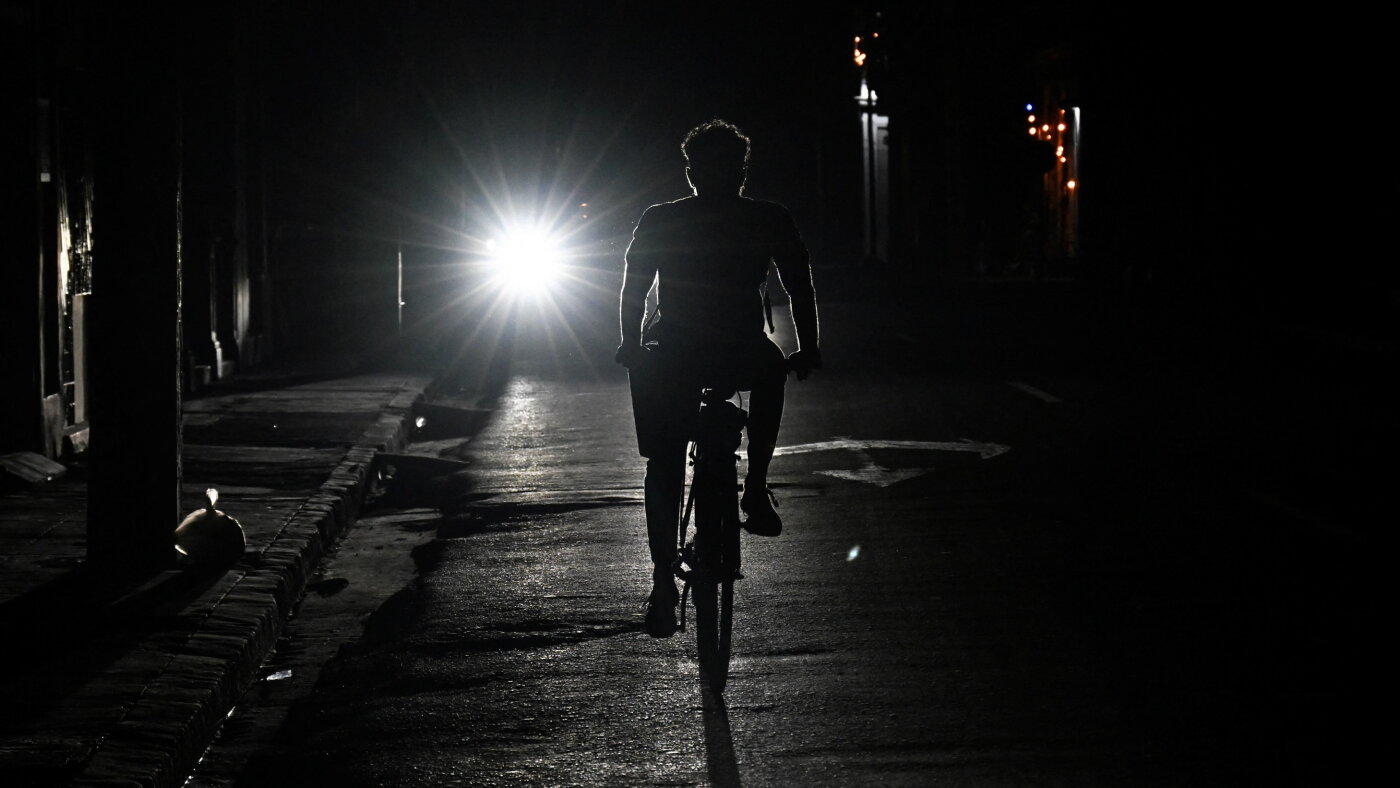
The Cuban government implemented emergency measures that have reshaped daily life across the island of 11 million people. Four-day workweeks were ordered for state companies. Inter-province transport was drastically reduced. Major tourism facilities closed. School hours were shortened. Non-emergency surgeries were suspended for a month. By mid-March, Cuba's electric grid collapsed entirely during a national blackout. Hundreds of Cubans took to the streets of Havana on April 2, pedaling bicycles and riding motorcycles, chanting "Yes to Cuba! No to the blockade!"
United Nations experts have sharply condemned the US action. "A serious violation of international law and a grave threat to a democratic and equitable international order," UN human rights experts wrote in a formal statement. UN Secretary-General António Guterres declared himself "extremely concerned." UN spokesperson Stéphane Dujarric warned that the humanitarian situation "will worsen, and if not collapse, if its oil needs go unmet." UN official Francisco Pichon, who visited Cuba, reported a "mix of resilience, but also grief, sorrow and indignation" among the population.
Despite the diplomatic pressure, the Trump administration has shown no sign of softening its stance. The policy has drawn rare bipartisan criticism in Congress, with several representatives returning from fact-finding trips to Cuba describing food production at roughly ten percent of population needs and medical equipment failing due to power shortages. The humanitarian crisis has increasingly become a flashpoint in broader debates about whether maximum pressure strategies achieve political change or simply deepen civilian suffering.