Record-Breaking Neutrino May Be Evidence of Exploding Primordial Black Hole
University of Massachusetts physicists propose that a mysterious 2023 particle detection could reveal ancient black holes with dark charge.

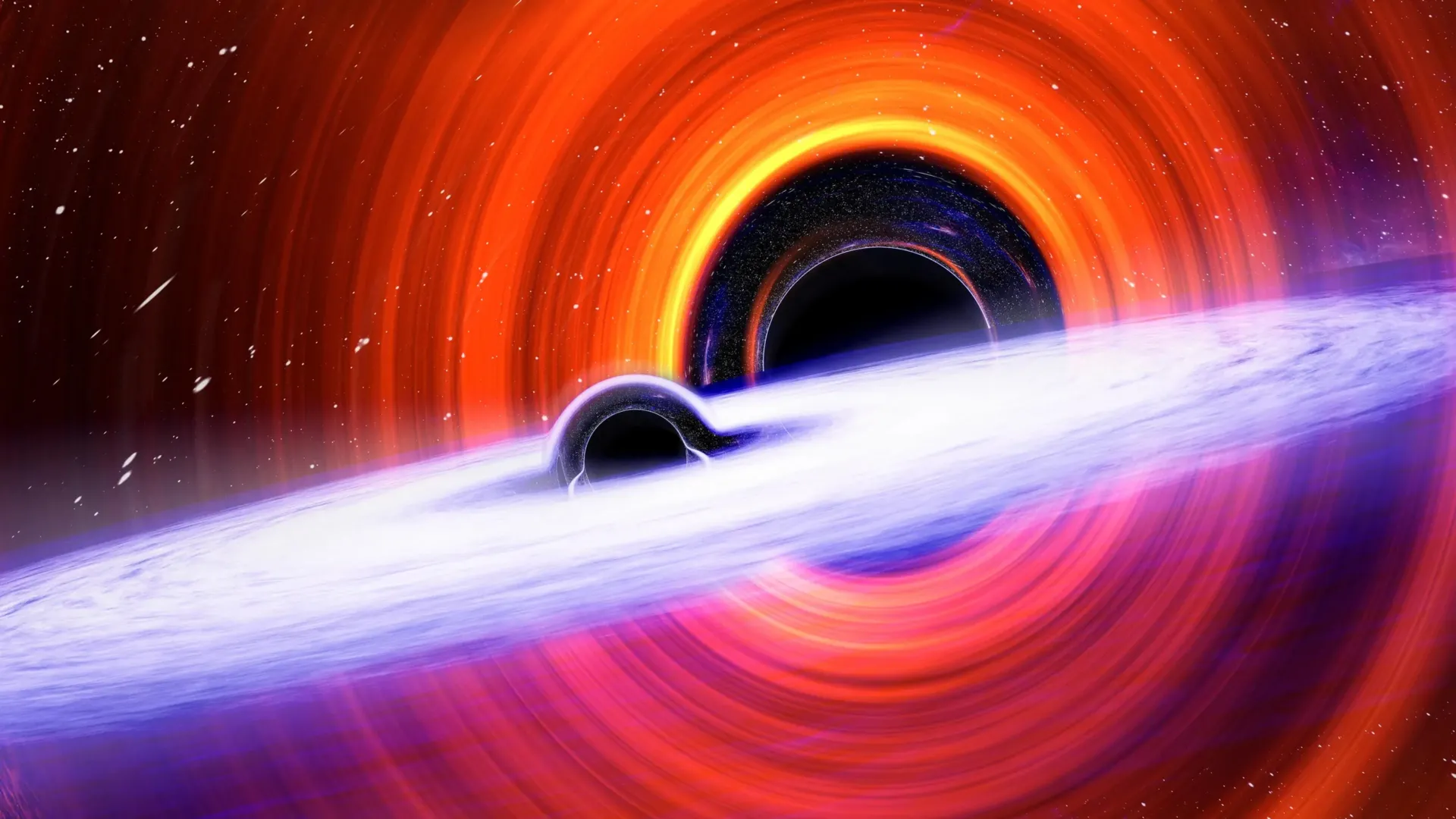
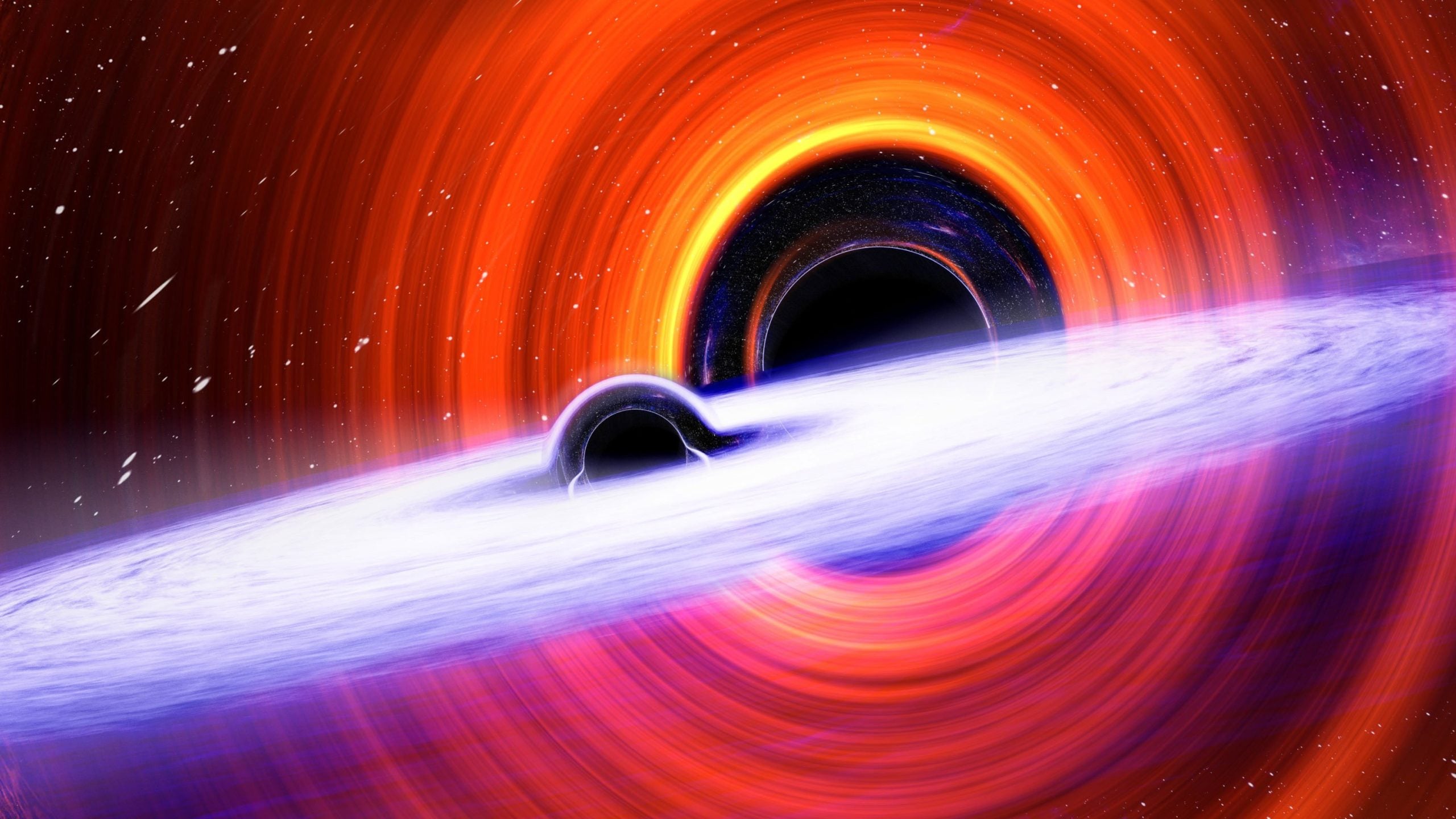
A bizarre, record-breaking neutrino detected in 2023 carrying an seemingly impossible amount of energy may have originated from the explosive death of a primordial black hole—an ancient relic from the early universe. Physicists at the University of Massachusetts Amherst have proposed this explanation for a subatomic particle that hit Earth with about 100,000 times more energy than anything ever produced by the Large Hadron Collider, the world's most powerful particle accelerator.
The neutrino's extraordinary energy level initially baffled scientists because no known cosmic process can generate particles with such extreme characteristics. Published in Physical Review Letters, the new research suggests that the event could be explained by what physicists call a "quasi-extremal primordial black hole"—a theoretical type of black hole that formed in the early universe and possesses what researchers describe as a mysterious "dark charge."
Primordial black holes differ fundamentally from the massive black holes created when stars collapse. First proposed by Stephen Hawking in 1970, these ancient objects formed shortly after the Big Bang and could be much smaller in mass than stellar black holes. According to Hawking's theories, these objects emit particles through a process called Hawking radiation, with lighter black holes becoming progressively hotter and eventually exploding in a runaway process.
The UMass Amherst team, led by Assistant Professor Andrea Thamm, suggests that these explosions could reveal fundamental particles including known particles like electrons, quarks and Higgs bosons, as well as hypothetical dark matter particles and entirely new forms of matter. Previous work by the research group indicates that such explosions might occur more frequently than expected, perhaps once every decade, making them potentially detectable with current instruments.
The 2023 detection by the KM3NeT Collaboration matched the type of signal the researchers had predicted, but it also raised intriguing questions about why only one experiment observed the event. The team theorizes that primordial black holes could carry a "dark charge" that causes rare but powerful energy bursts that current detectors might occasionally catch. This discovery could potentially unlock entirely new physics, including the identification of previously unknown particles and insights into the fundamental nature of dark matter that makes up most of the universe's mass.