New Microchip Controls Quantum Computer Lasers With 80 Times Less Power — A Scalability Breakthrough
University of Colorado Boulder engineers have built a laser control chip using standard semiconductor manufacturing that could make million-qubit trapped-ion quantum computers physically feasible for the first time.
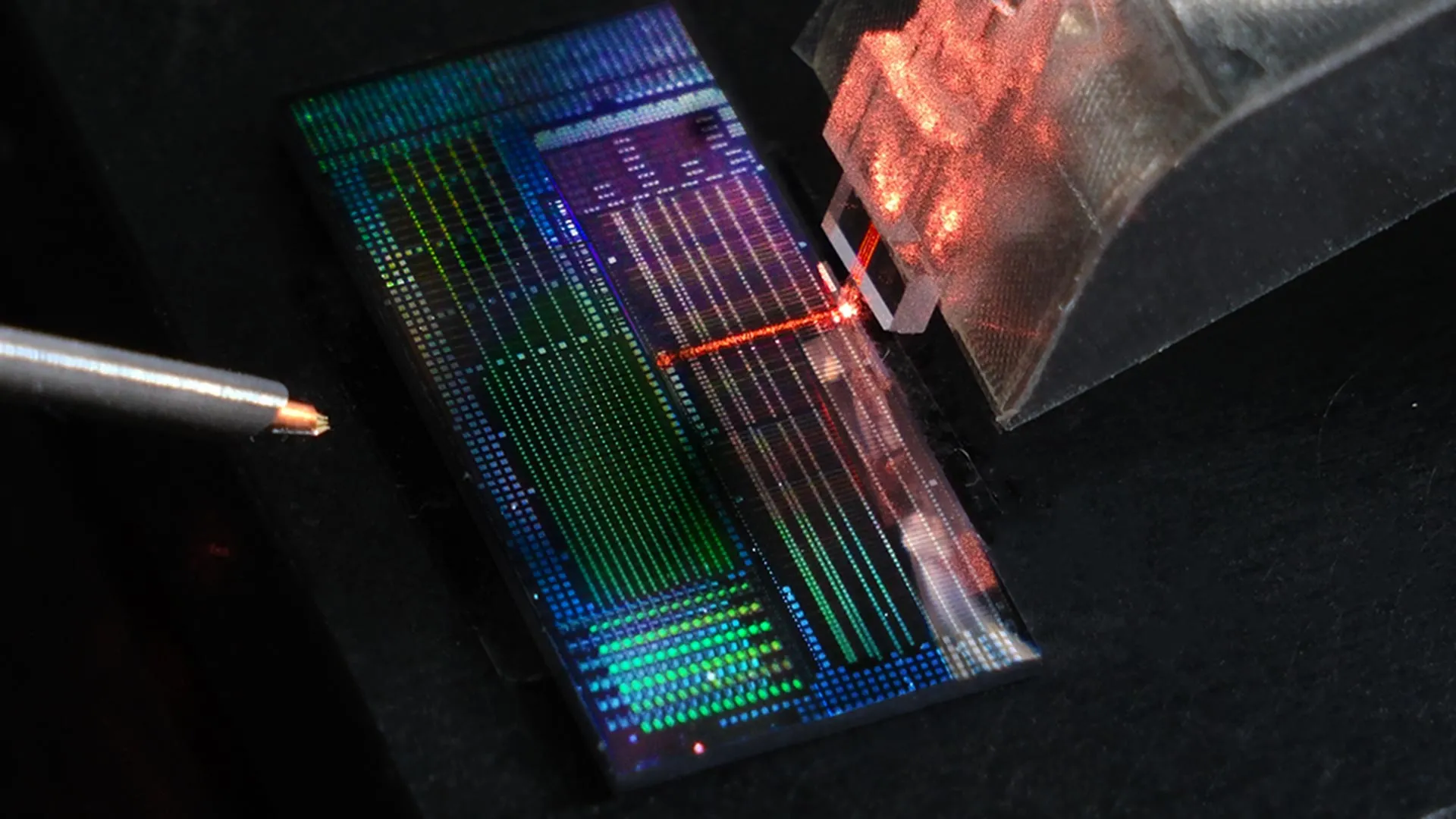
Engineers at the University of Colorado Boulder have developed a new microchip capable of controlling laser frequencies for quantum computers using approximately 80 times less microwave power than commercial equivalents — a breakthrough that addresses one of the most stubborn scalability barriers in the race to build practical quantum computing systems that can tackle real-world problems in chemistry, cryptography, and logistics.
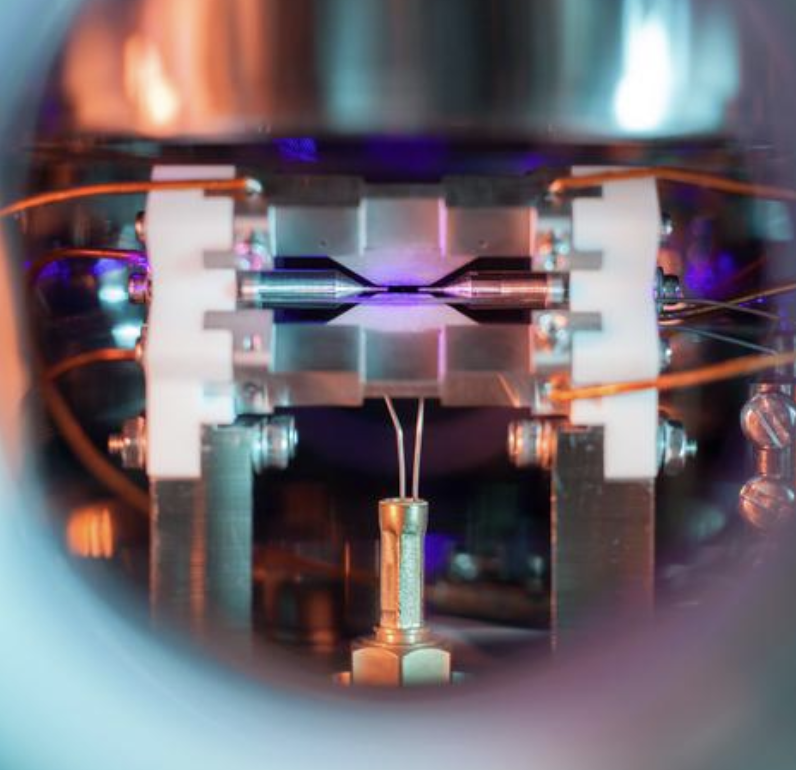
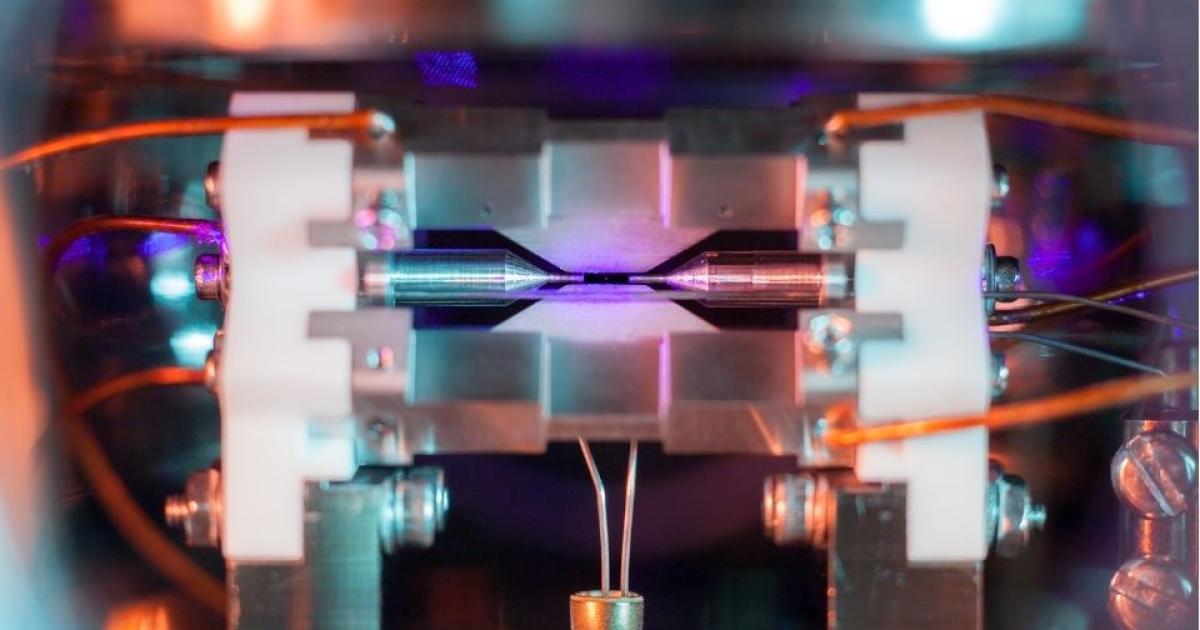
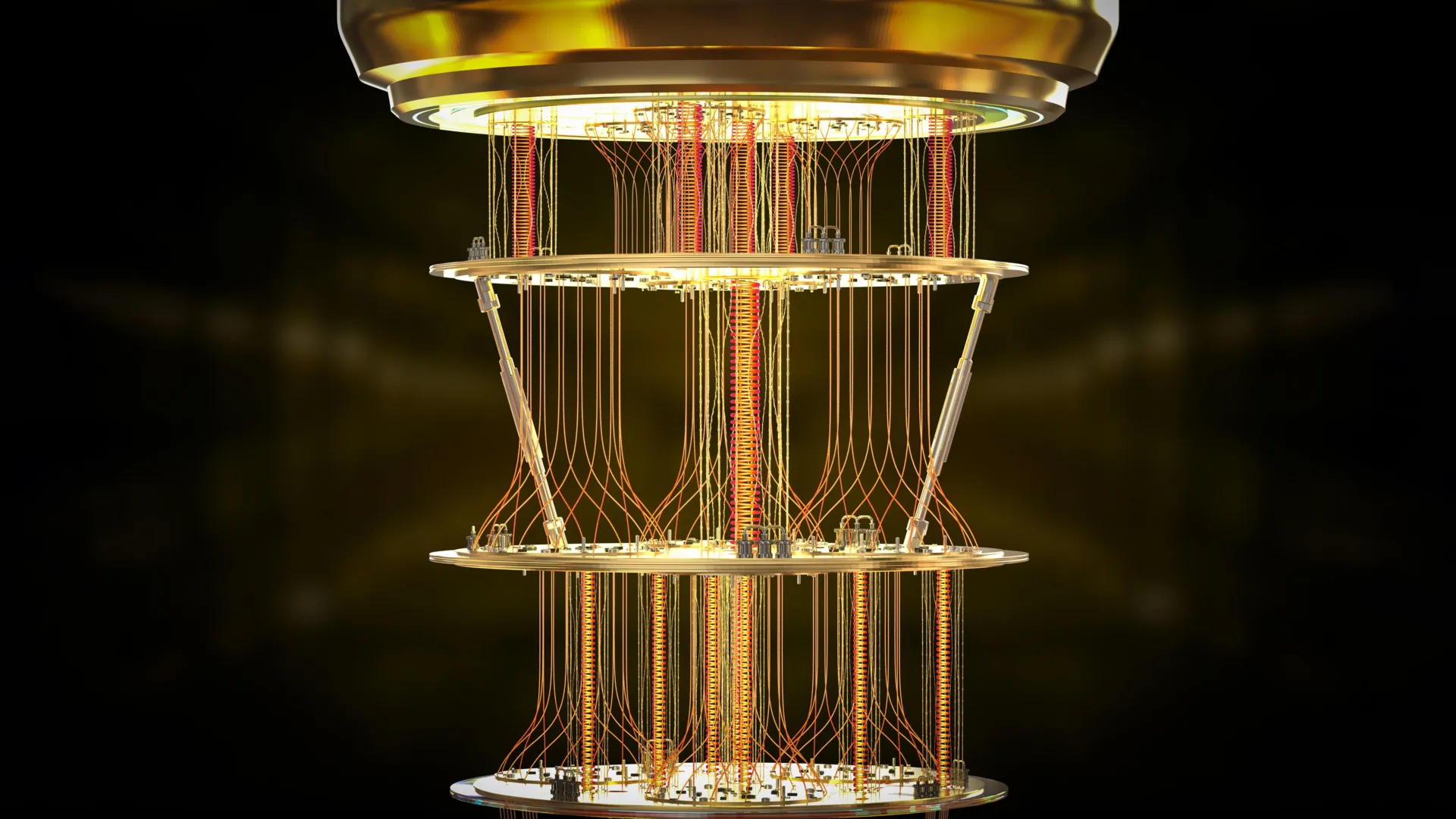
The chip is a microchip optical phase modulator roughly 100 times thinner than a human hair. Its function is to precisely adjust the frequency and timing of laser pulses used to manipulate individual qubits — the basic units of quantum information. In trapped-ion and neutral-atom quantum computer architectures, which are among the most promising paths to large-scale quantum computation, individual qubits are controlled using tightly focused laser beams. A future large-scale quantum computer will need to control hundreds of thousands or millions of individual qubits simultaneously, each requiring its own carefully tuned laser beam. Current commercial optical modulators are far too large and power-hungry to be deployed at that scale — a single modulator the size of a shoebox would be needed for every qubit, making a million-qubit system physically impossible with existing technology.
The Colorado team's device achieves its 80-fold power reduction through a novel design that combines an electro-optic modulation layer with a resonant microwave structure that maximizes the efficiency of the interaction between the electrical control signal and the optical beam. The result is a device that can perform the same frequency control function as a commercial modulator while consuming a tiny fraction of the energy and fitting onto a chip that could be mass-produced alongside conventional semiconductor components. Crucially, the chip was fabricated using standard CMOS semiconductor manufacturing processes — the same processes used to make billions of conventional computer chips every year. This means that, in principle, it can be produced at scale and at low cost without requiring exotic fabrication facilities.
The research team, led by Professor Shuo Li, published results in the journal Optica in December 2025. The paper has since attracted attention from major quantum computing hardware developers, several of which have reportedly initiated licensing discussions with the University of Colorado's technology transfer office. The Department of Energy's Office of Science, which funded part of the research, highlighted it in its quarterly review of quantum information science programs as 'a high-impact result with near-term commercialization potential.' A patent application for the core device architecture has been filed.
For context, IBM's current generation of quantum computers operates using superconducting qubits, which are controlled by microwave pulses rather than lasers and do not directly benefit from optical phase modulators of this type. But trapped-ion systems — built by IonQ, Quantinuum, Oxford Ionics, and several university spinoffs — are widely considered to have fundamental advantages over superconducting architectures in the coherence time of their qubits and in the connectivity between qubits, two of the most important metrics for running complex quantum algorithms. These advantages have been held back primarily by the engineering challenge of delivering and precisely controlling large numbers of individual laser beams simultaneously. The Colorado chip, if successfully integrated into real systems, addresses that bottleneck directly. Professor Li said the team's next step is to demonstrate the chip controlling an actual qubit in a prototype trapped-ion system, with results expected by late 2026.