Quantum Computing Breakthrough Claims Challenged in Replication Studies
Researchers found alternative explanations for signals once hailed as major advances in topological quantum computing, highlighting issues with scientific publishing of replication work.

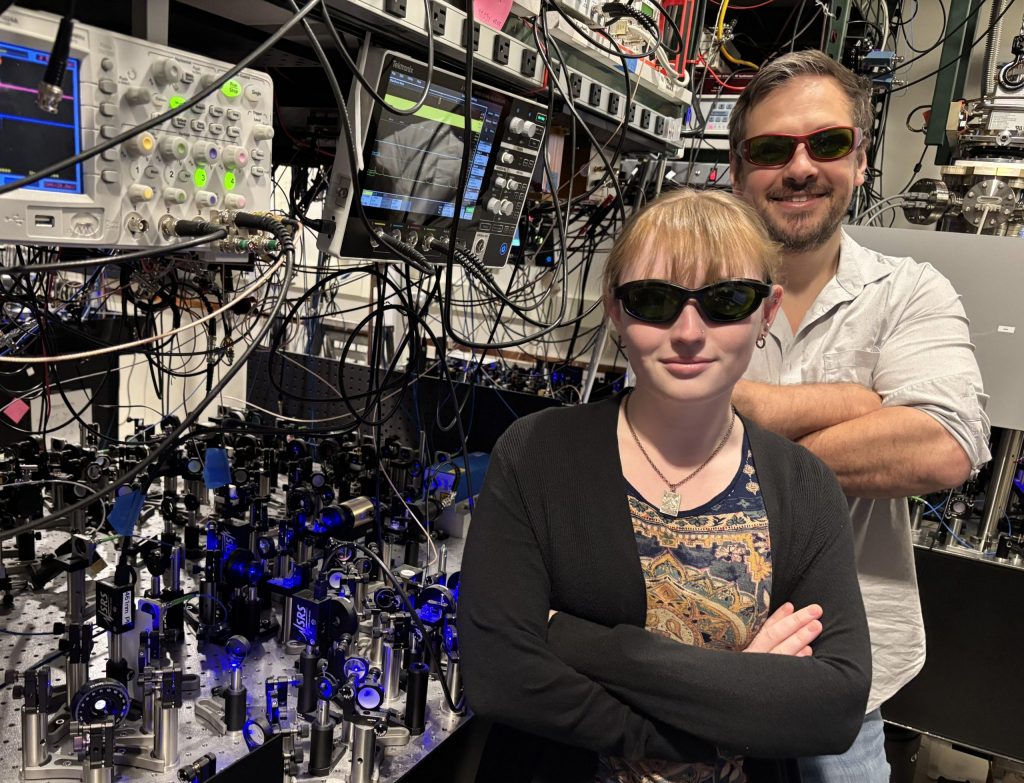
A comprehensive replication study led by University of Pittsburgh physicist Sergey Frolov has challenged some of the most celebrated claims in quantum computing research, finding alternative explanations for experimental signals that were previously interpreted as major breakthroughs in topological quantum computing. The work, published in the journal Science after a record two-year peer review process, raises important questions about scientific validation and the publication of replication studies.
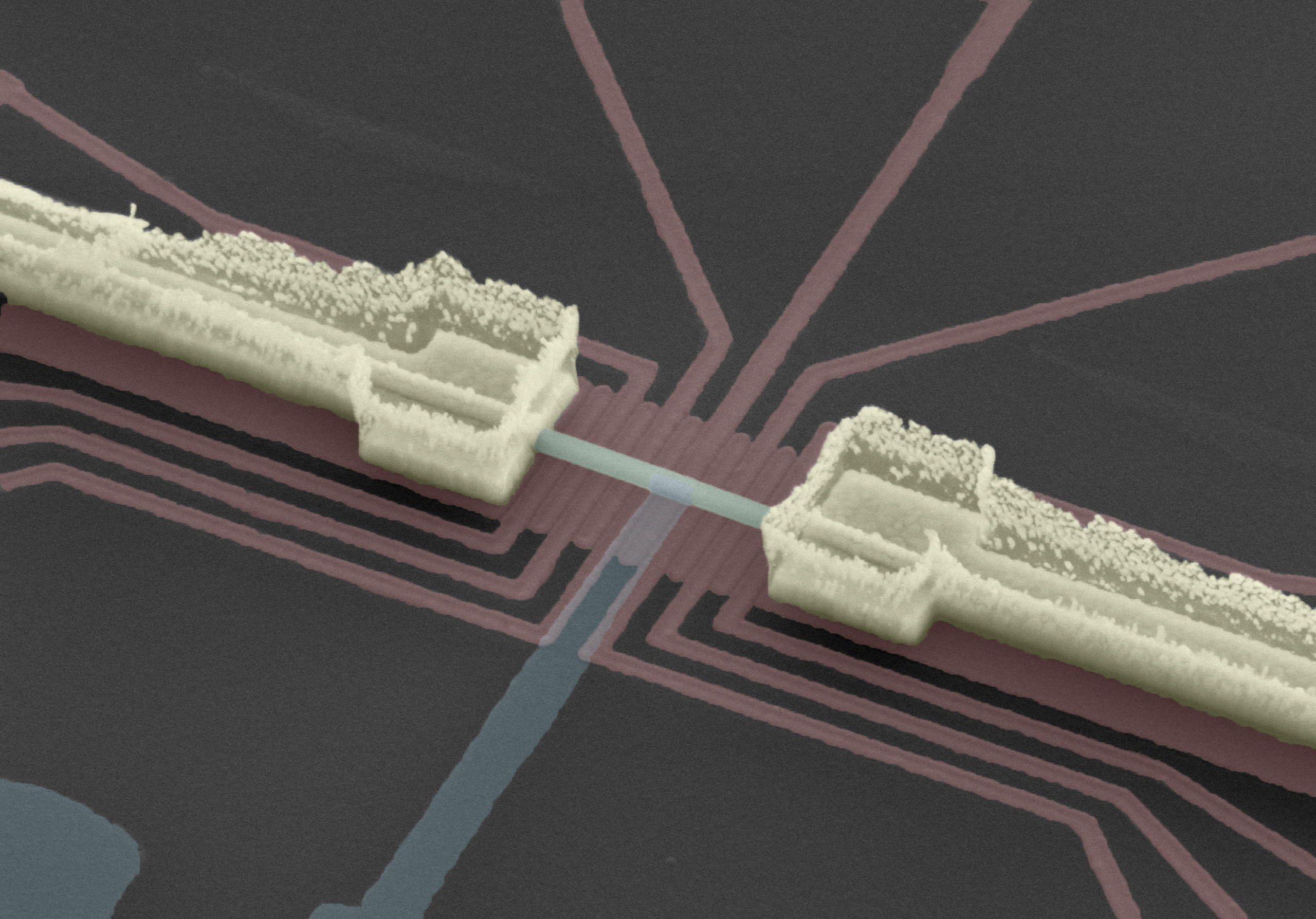
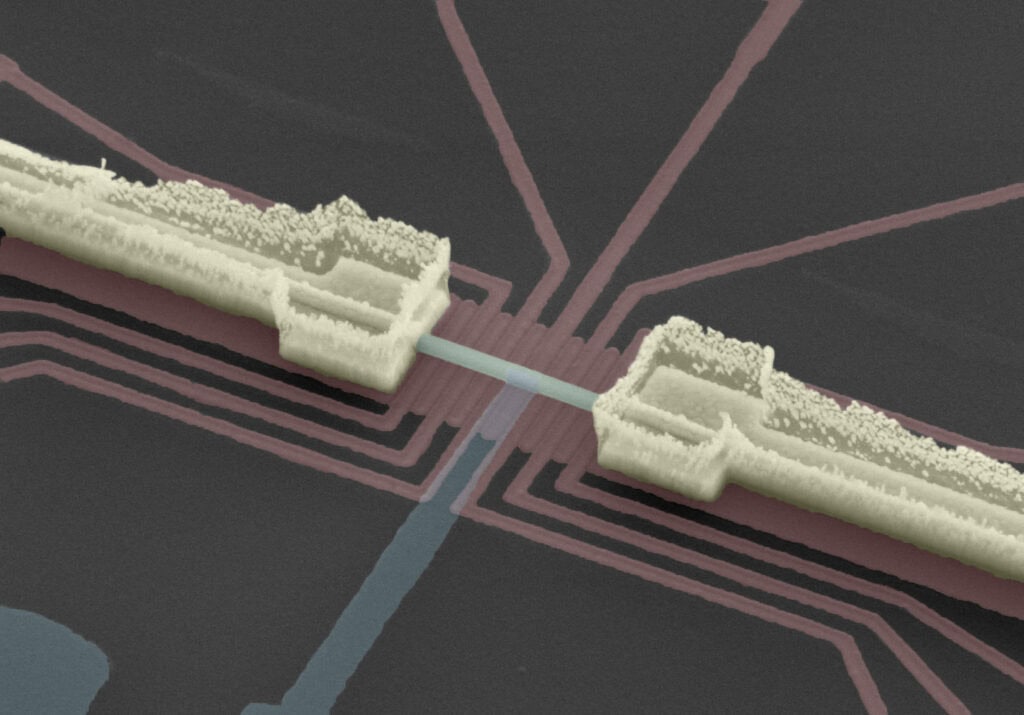
Frolov and collaborators from Minnesota and Grenoble conducted multiple replication studies focused on topological effects in nanoscale superconducting and semiconducting devices, an area considered crucial for developing topological quantum computing. This proposed approach could store and process quantum information in ways that naturally resist errors, potentially solving one of quantum computing's biggest challenges. However, across multiple experiments, the researchers consistently identified simpler explanations for the same experimental data.
The original studies had presented these results as significant steps toward practical quantum computing and were published in leading scientific journals. However, the follow-up replication studies encountered significant resistance from journal editors, who often rejected them on grounds that replication work lacks novelty or that the field had moved beyond these questions after several years. "In reality, replication studies require significant time, resources, and careful experimentation, and meaningful scientific questions do not become outdated so quickly," the researchers noted.
To strengthen their case, Frolov's team combined several replication efforts into a single comprehensive paper focused on topological quantum computing. Their dual goal was to demonstrate that even striking experimental signals appearing to confirm major breakthroughs can sometimes have alternative explanations, especially when more complete datasets are analyzed, and to propose improvements for research conduct and review processes, including greater data sharing and more open discussion of alternative interpretations.
The broader scientific community required extensive discussion and debate before considering the possibility that earlier interpretations might be incomplete. The paper's acceptance came only after the record-breaking review period that began in September 2023. The case highlights deeper issues in scientific publishing, where replication studies often struggle for acceptance despite their crucial role in validating research findings and ensuring the reliability of scientific progress in rapidly advancing fields like quantum computing.