Qatar's Ras Laffan LNG Facility Hit, Saudi Arabia and UAE Targeted as Iran Expands Gulf Energy War
QatarEnergy CEO estimates $20 billion in lost annual revenue and repairs that could take five years after Iranian strikes knocked out 17 percent of Qatar's LNG export capacity, triggering energy emergencies in Japan, South Korea, and Europe.

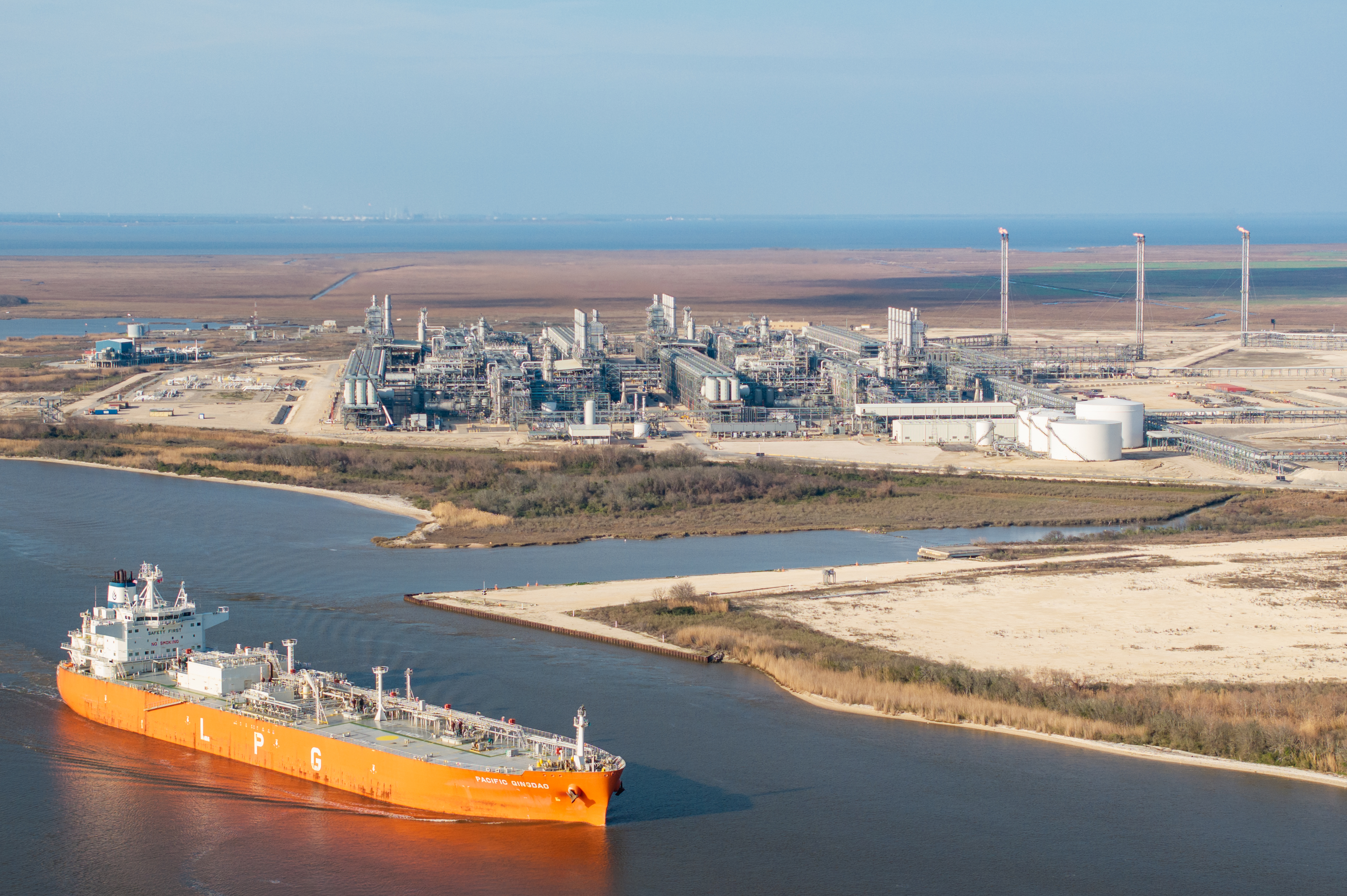
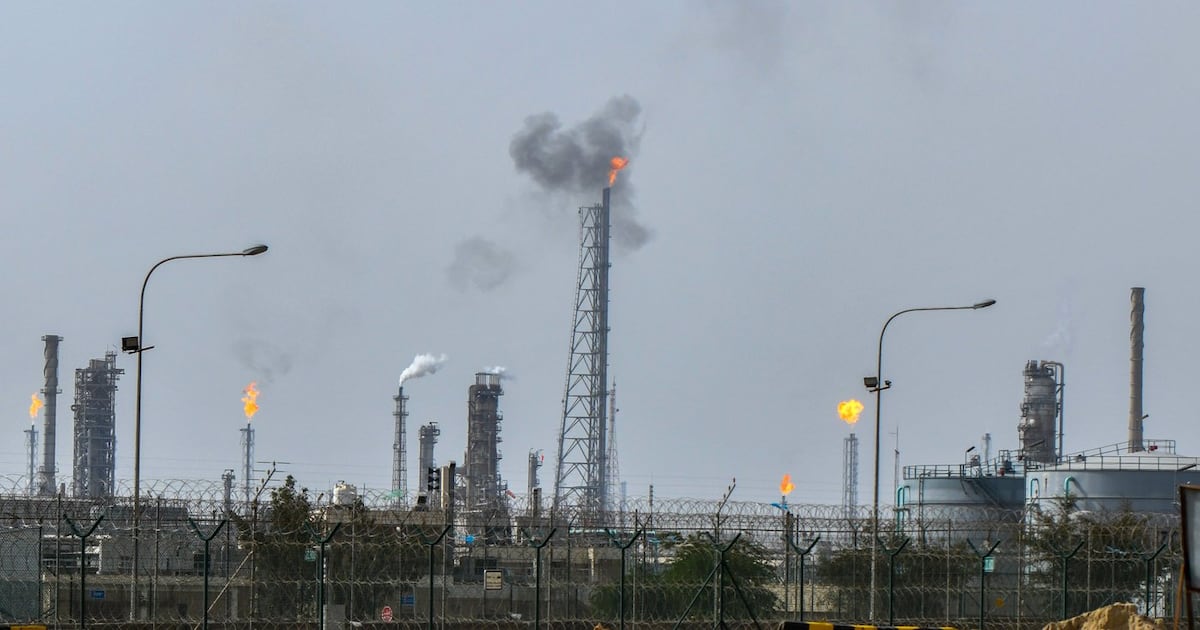
The global energy crisis triggered by the 2026 Iran war deepened sharply this week as Iranian strikes gutted Qatar's Ras Laffan industrial complex — the world's largest natural gas liquefaction facility — reduced Saudi Arabia's Samref refinery to partial operation, and attacked oil infrastructure across the UAE and Kuwait for a second consecutive day. The cascade of damage represents what energy analysts have called the most severe assault on global energy infrastructure since World War II, and the consequences are rippling through heating bills, manufacturing costs, and airline fares in dozens of countries that have no direct stake in the conflict.
The attack on Ras Laffan came in retaliation for an Israeli strike on Iran's South Pars gas field on Wednesday, March 18. South Pars is the world's largest natural gas reserve, shared between Iran and Qatar across the floor of the Persian Gulf. The Israeli assault — which Israel conducted without giving the United States advance notice — destroyed a significant portion of Iran's gas processing infrastructure and triggered international alarm about the potential for escalation into what several analysts called "a war on the plumbing of the global energy system." Iran's government threatened "zero restraint" after the South Pars strike, and within hours Iranian drones and missiles began hitting Ras Laffan, damaging four liquefaction trains and knocking 17 percent of Qatar's LNG export capacity offline.
QatarEnergy CEO Saad al-Kaabi estimated at a press conference in Doha that the Ras Laffan damage would cost roughly $20 billion in lost annual revenue and could require up to five years to fully repair. He said the facility may invoke "force majeure" clauses in its long-term supply contracts, potentially voiding agreements that supply Europe with roughly 16 percent of its liquefied natural gas. European natural gas prices — already elevated before the war — jumped 24 percent on the news Friday, with the TTF benchmark reaching levels not seen since the 2022 Russian invasion of Ukraine. British energy ministers held emergency meetings Friday to assess the impact on winter gas reserves. Japan, South Korea, and Taiwan — major LNG importers — declared energy emergencies and began activating strategic reserves.
Saudi Arabia acknowledged Friday that its Samref refinery in Yanbu had taken direct hits Thursday night, reducing its processing capacity by approximately 30 percent. The UAE confirmed that oil operations in both Dubai and Abu Dhabi had been targeted in the latest Iranian strikes, though Emirati officials declined to specify the damage. Kuwait's government said fires at its Mina Al-Ahmadi refinery — which accounts for the country's primary export processing capacity — were under control after two days of attacks, but that operations were running at reduced capacity. Brent crude settled at $112.19 on Friday, representing a nearly 60 percent increase since the war began on February 28, when oil traded at roughly $70 per barrel. U.S. gasoline prices averaged $3.91 per gallon nationally, with forecasters at GasBuddy projecting $4.50 by April if the Strait of Hormuz remained closed.
President Trump warned Iran via Truth Social that any further attacks on Qatar's facilities would be met with destruction of the "entirety of the South Pars Gas Field" — an implicit threat to obliterate a natural resource shared by Qatar, a U.S. ally. The warning underscored the complex geometry of the conflict, in which U.S. allies in the Gulf are increasingly caught between American military operations against Iran and Iranian retaliation against their own infrastructure. Saudi Arabia, Qatar, and the UAE have all quietly urged Washington to accelerate ceasefire talks, even as they officially support the U.S.-Israeli campaign. Saudi Crown Prince Mohammed bin Salman was scheduled to speak with Trump by phone Friday, according to officials familiar with the matter, with energy market stability expected to dominate the conversation.