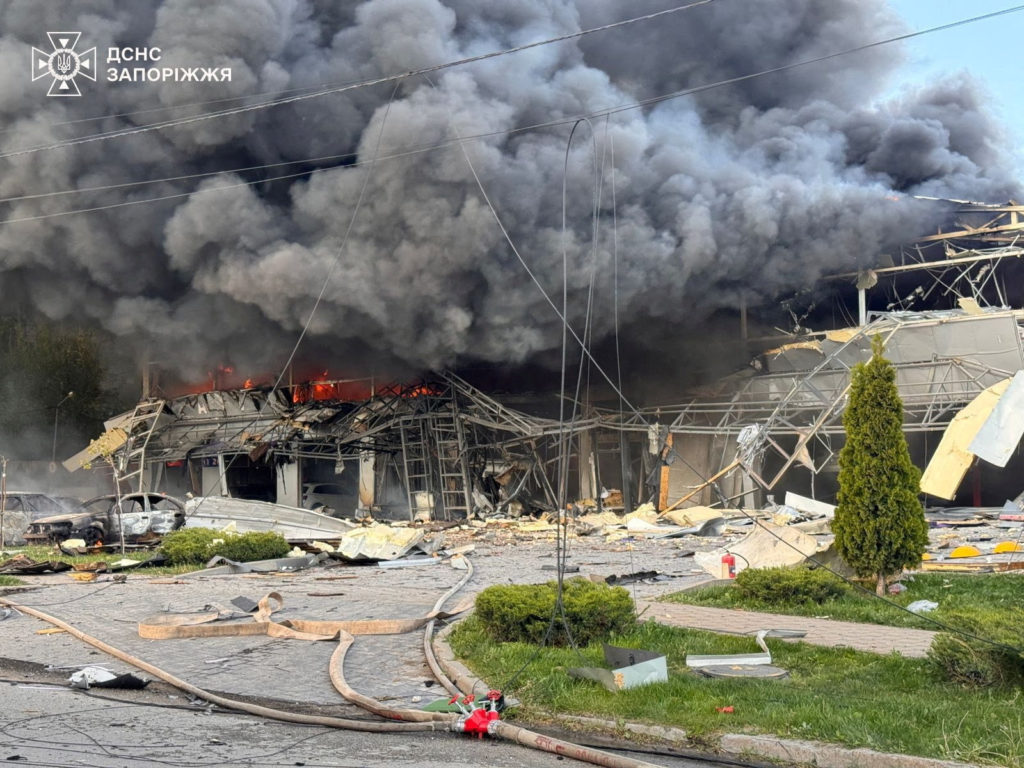
Putin Orders 32-Hour Orthodox Easter Ceasefire in Ukraine; Zelenskyy Signals Openness
Russia halted all combat operations starting Saturday afternoon through Easter Sunday, but Ukraine is watching closely after a near-identical ceasefire last year collapsed within hours.

Russian President Vladimir Putin ordered a unilateral halt to all combat operations in Ukraine beginning at 4:00 PM local time Saturday, April 11, to last through the end of Sunday, April 12 — a 32-hour window timed to the Orthodox Christian celebration of Easter. The Kremlin announced the decision was taken 'in connection with the approaching Orthodox feast of Easter,' framing the pause as a humanitarian and religious gesture after more than four years of grinding conflict.
Ukrainian President Volodymyr Zelenskyy signaled that Kyiv would consider observing a symmetrical ceasefire, though his government stopped short of making an unconditional pledge. Ukrainian officials noted that Russia has repeatedly used such pauses to reposition troops, resupply forward positions, and consolidate territory, making any announced ceasefire inherently difficult to verify or trust. 'We are open to silence at the front on Easter,' one senior Ukrainian official told reporters in Kyiv, 'but we will respond to any violations.'
The announcement carries historical baggage. Putin declared an identical Easter ceasefire in 2025, which lasted less than 24 hours before both sides accused the other of violations. International monitors documented artillery fire and drone launches within hours of the declared start time last year. The Organization for Security and Cooperation in Europe, which maintains observers in the conflict zone, said Saturday it had deployed additional monitoring personnel to document compliance this time.
NATO allies reacted with cautious skepticism. The alliance's secretary general said the move was 'noted' but that talk of ceasefires must be matched by 'verifiable action and a genuine commitment to ending the war on terms that respect Ukraine's sovereignty.' Western European capitals, mindful of the pattern of announced pauses followed by resumed bombardment, declined to hail the announcement as a diplomatic breakthrough. The United States, already preoccupied with the Iran negotiations in Islamabad, said it welcomed any reduction in violence but was 'watching closely.'
On the ground, fighting had already begun tapering off in some sectors in the hours before Putin's announced start time, with Ukrainian forces reporting decreased artillery activity along parts of the front line in Zaporizhzhia and Kherson oblasts. Whether that pattern holds through Easter Sunday — and whether it represents a genuine pause or a tactical repositioning — will determine how the international community and the Ukrainian government respond when the announced 32-hour window closes Monday morning.