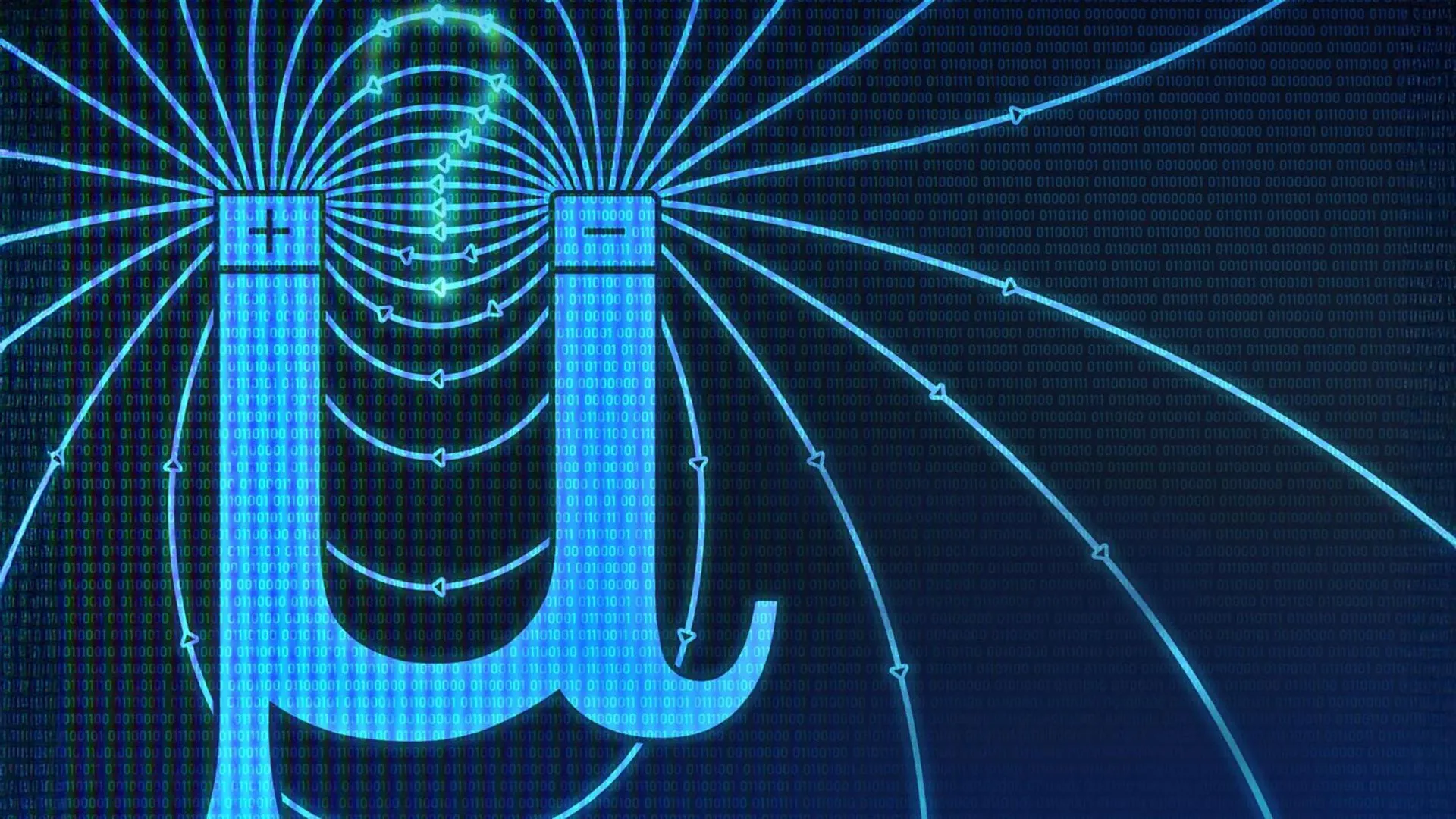
Physicists Discover a Strange Neutrino Force and Confirm the Proton Is Smaller Than Thought
Multiple landmark findings published in early 2026 — including spacetime quasicrystals and a new gravity anomaly — are pushing the Standard Model of particle physics to its limits.
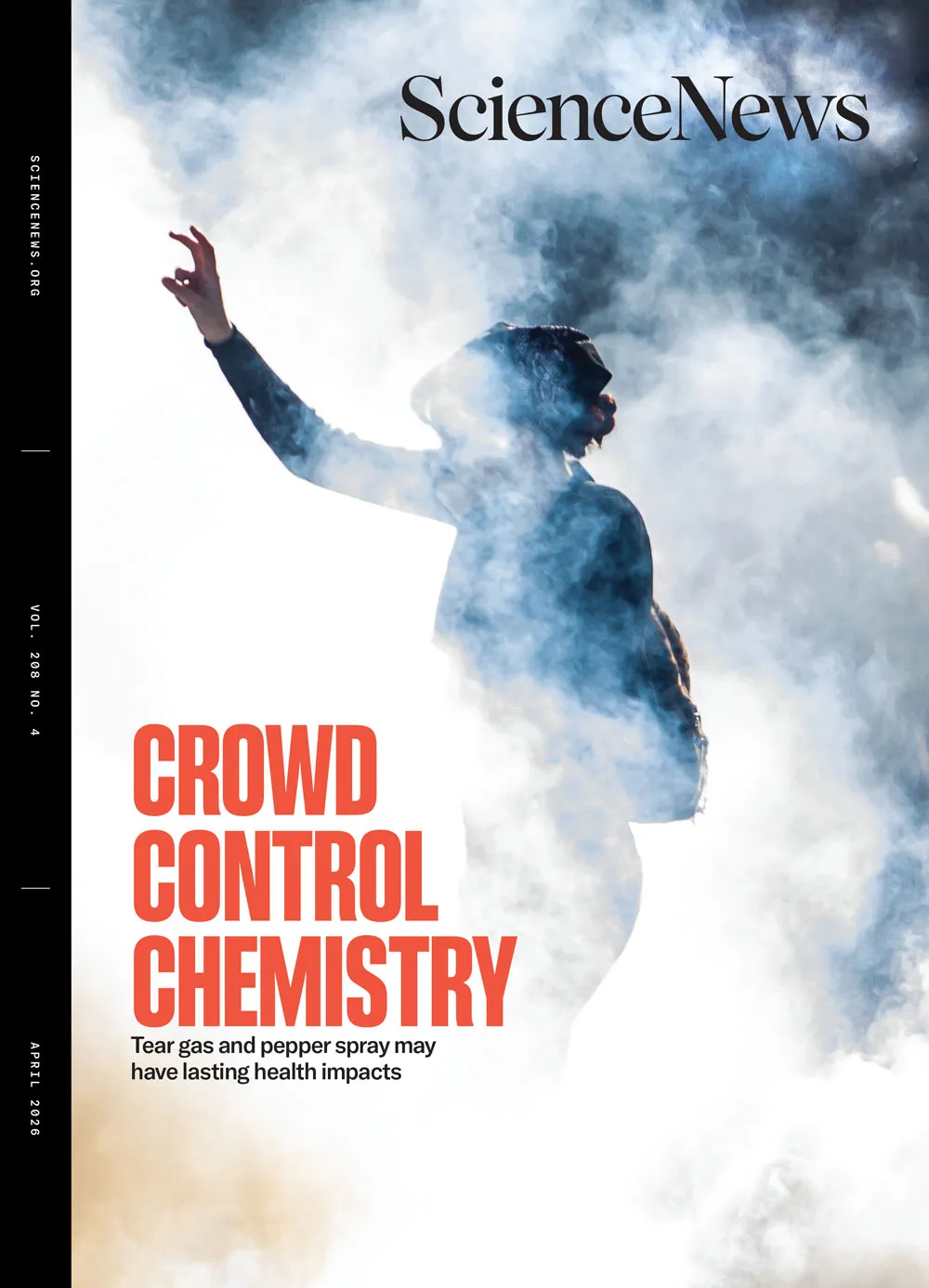
A wave of physics discoveries published and confirmed in early 2026 is forcing researchers to revisit some of the most fundamental assumptions in particle physics — including the size of the proton, the nature of neutrino interactions, and the geometry of spacetime itself. The findings, highlighted in the April 2026 issue of Science News and corroborated by results from multiple independent experiments, suggest that the Standard Model of particle physics, long considered one of science's most successful theoretical frameworks, may require significant revision.
Among the most striking results is the identification of what physicists are calling a "strange neutrino force" — a previously uncharacterized interaction between neutrinos and ordinary matter that does not fit cleanly into the Standard Model's accounting of the known fundamental forces. Neutrinos are among the most abundant particles in the universe and also among the most elusive: they carry no electric charge, interact only through gravity and the weak nuclear force, and pass through ordinary matter almost without trace. The new results suggest an additional interaction channel that, if confirmed, would represent the first detection of a force beyond the Standard Model in decades.
A separate but related finding concerns the size of the proton itself. A new precision measurement has confirmed, with greater certainty than ever before, that the proton is smaller than physicists had assumed for most of the twentieth century. The discrepancy — first hinted at by a 2010 measurement using muonic hydrogen and dismissed by many at the time as experimental error — has now been resolved in favor of the smaller value. The confirmation enables sharper tests of quantum electrodynamics and may help illuminate the role of virtual particles in shaping the proton's apparent radius.
Perhaps the most conceptually radical finding involves quasicrystals. First discovered in physical materials in the 1980s — earning Dan Shechtman the Nobel Prize in Chemistry in 2011 — quasicrystals are structures that are mathematically ordered but lack the repeating, periodic patterns of ordinary crystals. Physicists have now demonstrated theoretically and experimentally that quasicrystal-like arrangements can exist in spacetime itself, not merely in physical materials. The discovery challenges assumptions about the underlying geometry of the universe and raises new questions about whether the fabric of spacetime is fundamentally more complex than the smooth, continuous sheet assumed by general relativity.
Additionally, new precision measurements of gravity at small scales have introduced fresh uncertainty into the value of the gravitational constant G — one of the most fundamental constants in physics. Multiple independent experiments have returned slightly inconsistent values, a discrepancy that physicists call the "G tension" and that may point to either systematic experimental error or, more intriguingly, physics beyond the standard theories of gravity. Resolving the discrepancy will require years of additional measurement.
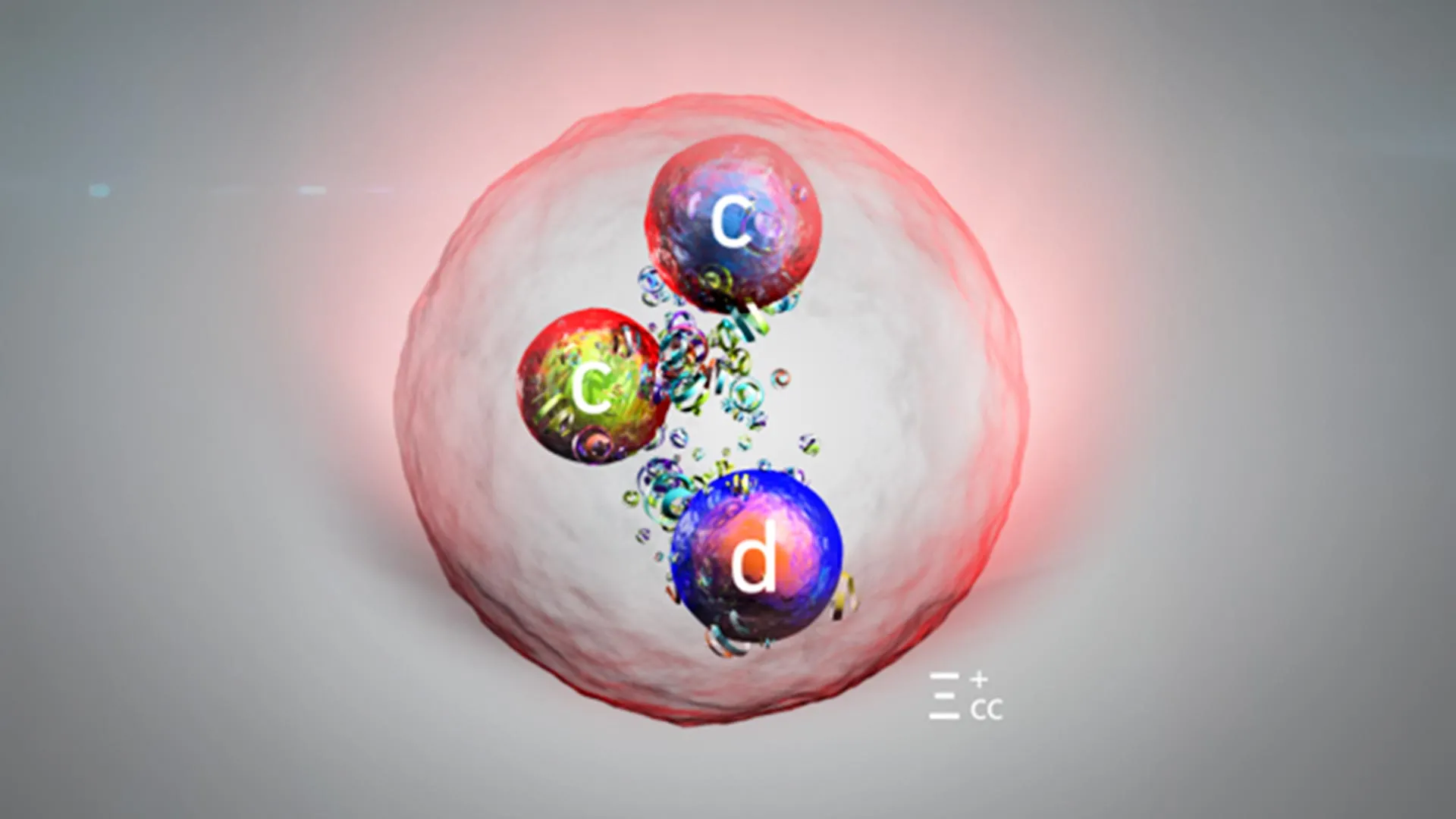
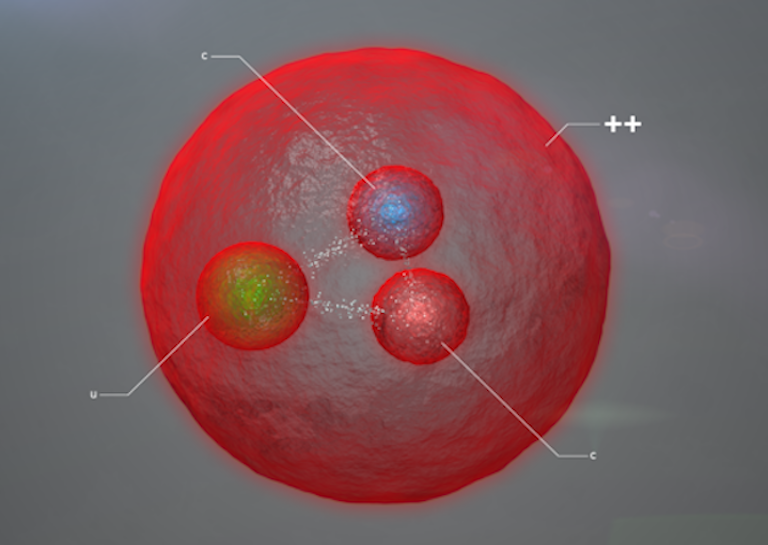
These results arrive in the context of a broader period of disruption in fundamental physics. In March, CERN's LHCb experiment announced the detection of a doubly charmed baryon particle — a configuration of two charm quarks and one up quark that had been predicted by the Standard Model but never cleanly observed. The detection resolves a long-standing experimental discrepancy and provides a new precision test of how the strong nuclear force governs multi-quark systems. Together, the cluster of new findings suggests that physics is entering a period of productive tension: the Standard Model remains extraordinarily predictive, but the walls are being pushed in from multiple directions simultaneously.