Peru Goes to the Polls With 35 Candidates and No Frontrunner as Country Elects Its 9th President in a Decade
With Keiko Fujimori leading at just 18.5% and crime dominating voter concerns, Sunday's chaotic Peruvian election is almost certain to produce a June runoff — and possibly another chapter of the country's chronic political dysfunction.
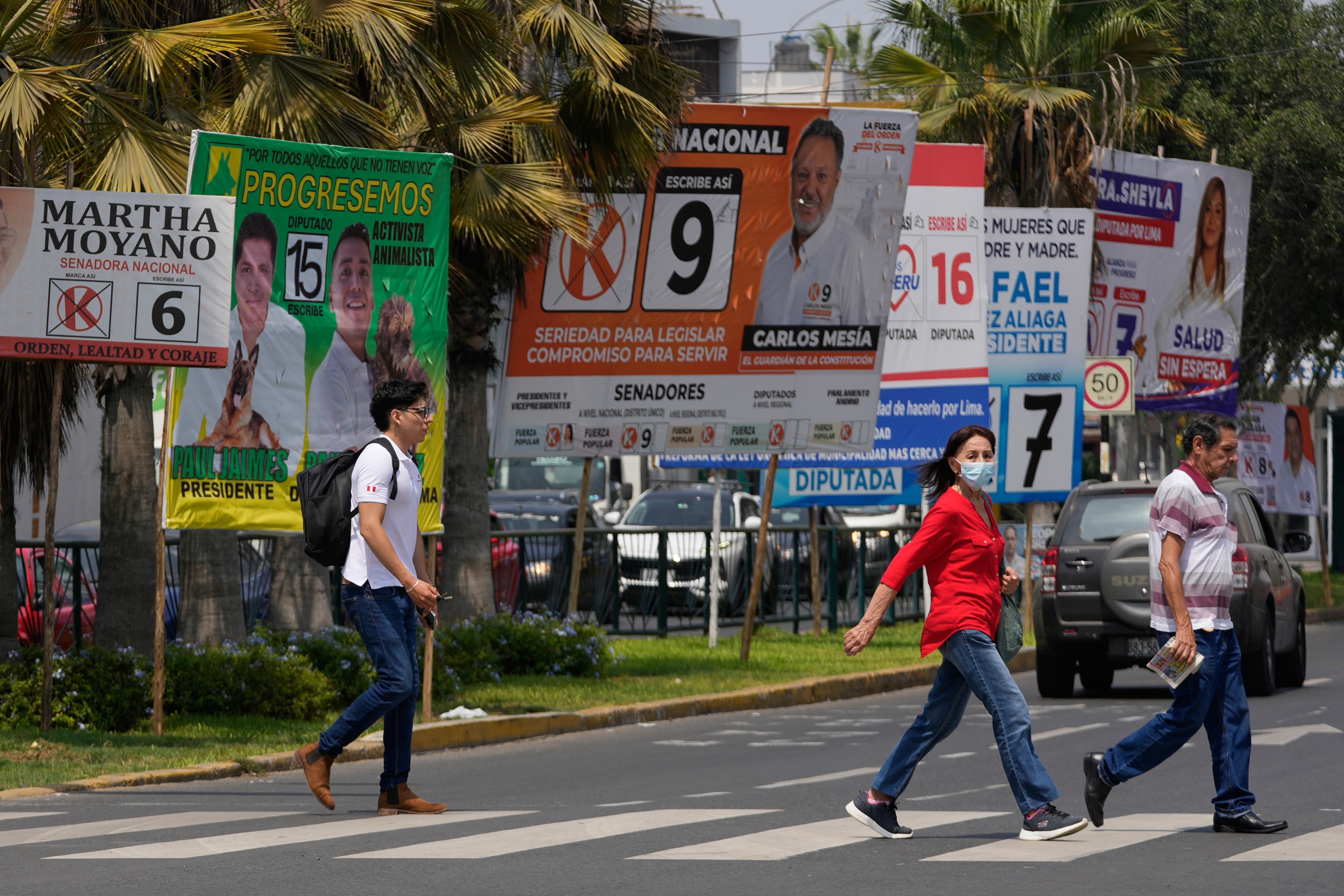
LIMA — Peru goes to the polls Sunday in what analysts describe as the most chaotic presidential election in the country's modern democratic history — a race featuring 35 candidates, a country electing its ninth president in less than a decade, and a electorate consumed by fury over rising crime and a political class that has become synonymous with corruption. No candidate is expected to clear the 50 percent threshold required to avoid a runoff, meaning the nation will almost certainly return to the ballot box on June 7 for a second round between the top two finishers.
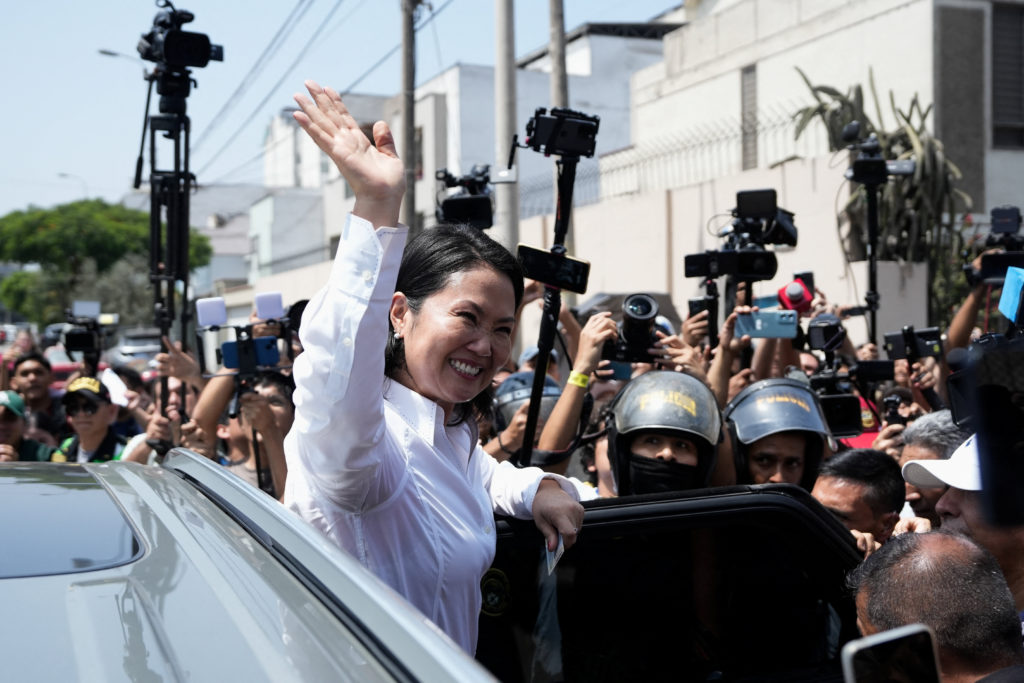
At the head of the polls, with approximately 18.5 percent of voter support, stands Keiko Fujimori, the daughter of imprisoned former President Alberto Fujimori and the leader of Fuerza Popular. Fujimori has run for president twice before and lost both times. While her hard-line anti-crime stance resonates with a subset of voters, 54 percent of Peruvians say in polls that they would never vote for her — the so-called "voto antikeiko" that has defined her electoral ceiling in previous races. Running second at roughly 13 percent is Rafael López Aliaga of Renovación Popular, a conservative businessman and Lima city official known for his outspoken rhetoric and deep Catholic conservatism.
The most surprising figure in the race is comedian Carlos Álvarez of the País para Todos movement, who has surged to roughly 10 percent on a wave of protest sentiment. Álvarez, known for his satirical impressions of Peruvian politicians, represents a strain of voter exhaustion that extends far beyond any ideological camp. His rise mirrors the pattern seen in other Latin American democracies where anti-establishment figures — from Jair Bolsonaro in Brazil to Javier Milei in Argentina — have shattered traditional political calculations by channeling rage into electoral momentum.
The backdrop to Sunday's vote is genuinely alarming. Peru has become one of the most dangerous countries in South America, with homicide rates rising sharply in Lima and major port cities as criminal organizations tied to drug trafficking and extortion have expanded their territorial control. A recent survey found that 78 percent of Peruvians named crime as the top issue in this election, well above the economy, which ranked second at 61 percent. The country has also struggled with chronic political dysfunction: since 2016, Peru has had six impeachments or presidential departures, dissolved Congress twice, and seen a former president flee abroad, another die by suicide during an arrest attempt, and a third convicted of corruption.
Whoever wins the first round will face a grueling second round in June against an opponent who will deploy all of the voto antikeiko, anti-establishment, or anti-right sentiment available in a country where no single force commands majority trust. The new president takes office on July 28, 2026, Peru's Independence Day — a symbolic date that every candidate on the campaign trail has invoked as a moment of national renewal. Whether any of them can actually deliver renewal after a decade of collapse is the question Peruvian voters will be asking themselves at the polls on Sunday.