Socialist Emmanuel Grégoire Elected Paris Mayor, Extending Left's 25-Year Hold on French Capital
Grégoire defeated conservative Rachida Dati 50.5% to 41% in Sunday's runoff, pledging to continue Paris's transformation into a greener, more pedestrian-friendly city.
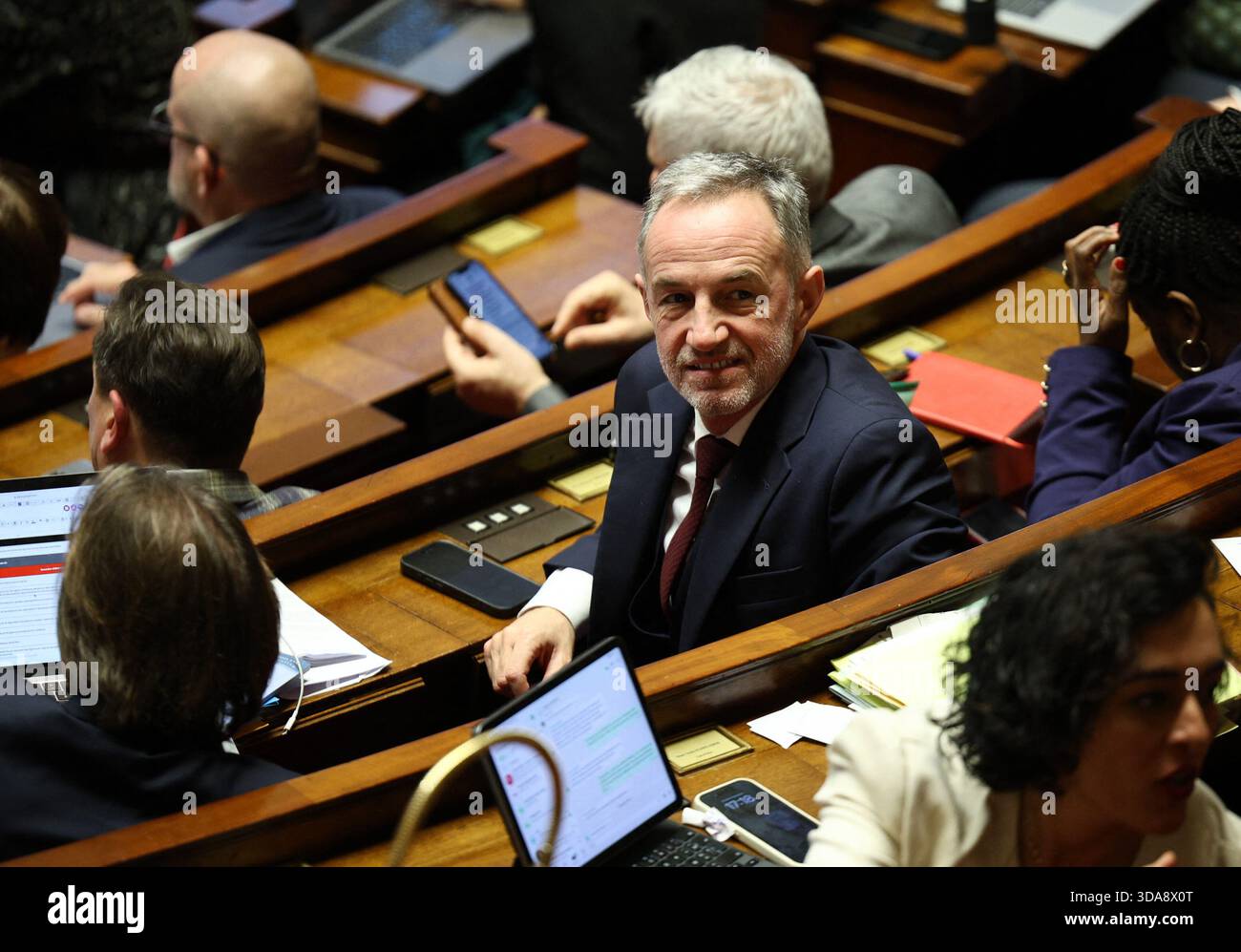
Socialist politician Emmanuel Grégoire won the Paris mayoral race on Sunday, defeating conservative rival Rachida Dati with 50.5% of the vote in a closely contested runoff and extending the French left's 25-year grip on the world's most visited capital city. Grégoire, 48, a longtime deputy mayor and political confidant of outgoing Mayor Anne Hidalgo, will now lead a city of 2.1 million people and an annual budget of approximately €11 billion. His victory was confirmed by France's Interior Ministry based on official results compiled from the city's 20 arrondissements, with Dati receiving 41% and hard-left France Insoumise candidate Sophia Chikirou collecting the remaining 8.5%.
The result was a significant setback for Dati, 58, who served as justice minister under former President Nicolas Sarkozy and had spent years cultivating a centrist conservative profile that she hoped would peel off moderate left voters disillusioned with Hidalgo's tenure. Dati acknowledged defeat shortly after midnight Sunday, congratulating Grégoire in a brief statement and pledging to remain engaged in Parisian political life from her seat in the National Assembly representing the 7th arrondissement. Her defeat was also a blow to President Emmanuel Macron's centrist coalition, which had quietly backed her candidacy as a potential bridge figure between the right and center. Macron's Renaissance party, which has been in retreat across French municipal politics, failed to mount a credible first-round candidate and urged its supporters to vote Dati in the final round.
Great expectations now rest on Grégoire's shoulders. He has pledged to continue and expand the urban transformation begun under Delanoë and Hidalgo, which converted dozens of kilometers of car lanes into dedicated cycling infrastructure, planted tens of thousands of trees along Haussmannian boulevards, and progressively banned heavy traffic from the city center. The 2024 Olympic Games, held during Hidalgo's final term, catalyzed many of these transformations, including the swimming-quality restoration of the Seine — a project Grégoire helped oversee as deputy mayor for urban planning and ecology. His campaign platform promised to accelerate the 2030 decarbonization targets set by the previous administration, expand subsidized housing construction, and address what he called an "affordability crisis" in a city where median rents have risen 34% over the past decade.
The Paris result was part of a broader wave of French municipal elections held across the country on Sunday that proved a mixed picture for national parties. The Rassemblement National, Marine Le Pen's far-right party, underperformed expectations in most major cities, failing to take Lyon, Bordeaux, or Marseille, where it had been leading in some early polls. In Lyon, outgoing Socialist mayor Grégory Doucet won re-election against a strong RN challenge. In Marseille, Benoît Payan retained the mayoralty for the left-wing coalition in a city where the far-right had genuinely threatened to win. Prime Minister Michel Barnier described the results as "a good night for the forces of the Republic" while acknowledging that the RN's strength in secondary cities and rural communes continued to pose a fundamental challenge to French political stability.
For Grégoire personally, Sunday's win is the culmination of a three-decade political career rooted entirely in Parisian municipal politics. He joined the Socialist Party at 18 and worked his way up through neighborhood council positions, serving as Hidalgo's chief of staff before becoming her first deputy mayor. Unlike Hidalgo — who cultivated a confrontational relationship with both the national government and the city's business community — Grégoire has a reputation for pragmatic negotiation and coalition-building. Business groups cautiously welcomed his election, noting that his commitment to cycling infrastructure did not extend to outright hostility toward commerce. The city's 30,000 shops, restaurants, and cultural institutions will be watching closely as he assembles his cabinet and begins outlining his first budget proposal, expected in the autumn.