Pakistan Emerges as Pivotal Back-Channel as U.S. and Iran Edge Toward Direct Talks in Islamabad
Islamabad is preparing to host in-person meetings between American and Iranian intermediaries within days, offering a possible off-ramp from a war that has killed more than 2,000 people.
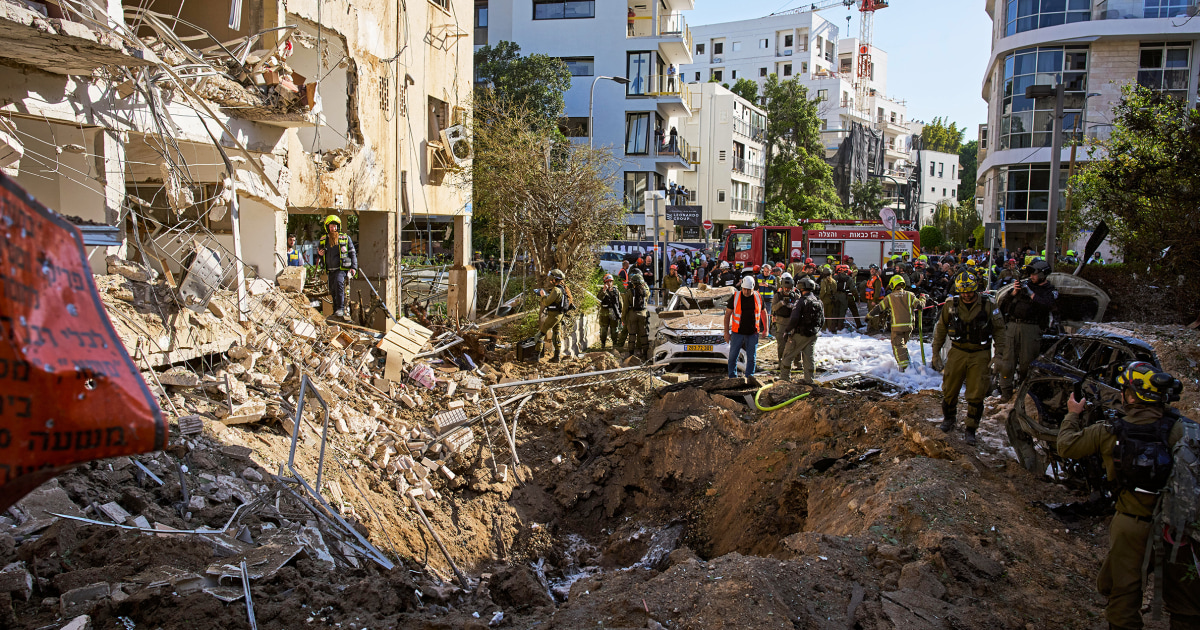
Pakistan has emerged as a critical intermediary in the escalating diplomatic effort to end the U.S.-Israel war with Iran, with sources from multiple governments confirming that Islamabad is preparing to host in-person meetings between American and Iranian representatives within days. The development marks the most concrete diplomatic breakthrough since the conflict began on February 28, offering a potential off-ramp for a war that has killed more than 2,000 people across the Middle East, driven oil prices above $100 per barrel, and triggered what the International Energy Agency has called "the greatest global energy security challenge in history." Pakistan's willingness to serve as a neutral third-party host gives both sides a mechanism for substantive talks without either government acknowledging direct negotiations.
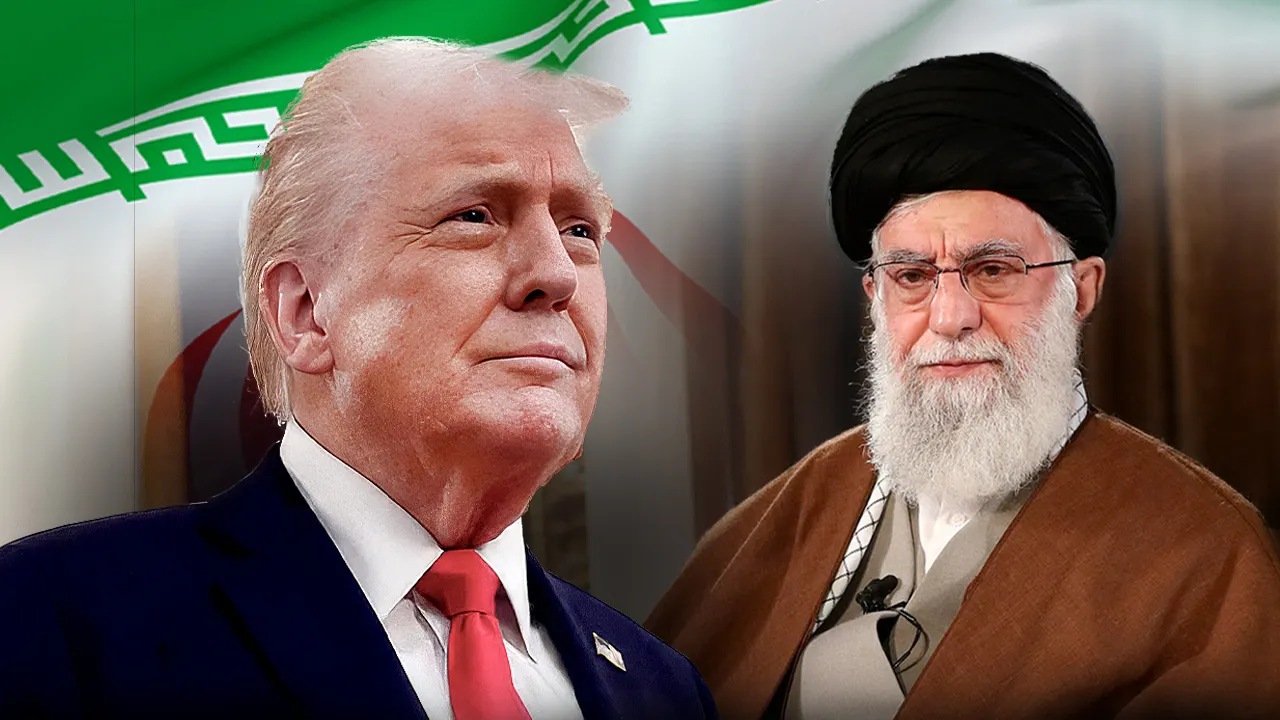
The back-channel began after President Trump announced Monday that he was postponing threatened strikes on Iranian power plants for five days, citing "very productive conversations" he said had taken place through intermediaries. Trump's special envoy Steve Witkoff and senior adviser Jared Kushner have reportedly been coordinating with Pakistani officials, while Iran's foreign ministry dispatched a delegation to Islamabad last week for preliminary contact. A senior Pakistani foreign ministry official told Reuters that Islamabad views the mediation role as a "national duty" and a chance to demonstrate strategic value to Washington at a time when the U.S.-Pakistan relationship has been strained by disputes over military aid and counterterrorism cooperation.
Iran publicly insists no direct talks have taken place. Parliament speaker Mohammad Qalibaf called Trump's claims of productive negotiations "fake news" and accused the U.S. president of using the appearance of diplomacy to drive down oil prices. The contradiction reflects the political constraints facing Iran's leadership following the death of Supreme Leader Ali Khamenei in the opening strikes of the war. Khamenei's son Mojtaba was subsequently chosen as the new supreme leader, but his authority remains contested in some Revolutionary Guard factions, making any public acknowledgment of talks politically dangerous. The use of Pakistan as an intermediary allows both sides to maintain plausible deniability while still communicating substantive positions.
Beyond Pakistan, other potential mediators have entered the picture. Qatar, which hosts the largest U.S. military base in the Middle East, has facilitated earlier back-channel communications but denied currently playing a direct mediation role. Turkey's foreign minister flew to Tehran last week in an unannounced visit, and Egypt's intelligence chief held phone calls with CIA Director John Ratcliffe on Saturday. The multi-track diplomatic structure reflects the complexity of reaching a deal: the U.S. seeks a verified halt to Iran's nuclear program and an end to threats against the Strait of Hormuz; Iran is demanding a permanent ceasefire, U.S. withdrawal of forces from the Persian Gulf, and reparations for civilian casualties.
The stakes are enormous. The Strait of Hormuz, through which approximately 20% of the world's seaborne oil passes, remains effectively closed to commercial shipping, with Iran deploying mines and threatening to block any vessel attempting to pass. U.S. intelligence has confirmed the presence of approximately a dozen Iranian Maham-series limpet mines in the waterway, and the Pentagon has deployed minesweeping vessels to the region. Brent crude is trading above $100 per barrel as of Tuesday, down from a mid-March peak above $120 but still more than 70% higher than at the start of 2026. Australian fuel stations have begun experiencing shortages, and the European Commission has convened emergency energy council sessions. Whether Islamabad can broker a breakthrough remains uncertain, but the emerging framework of a neutral venue and back-channel communications represents the most serious diplomatic architecture the conflict has produced.

/thetatva/media/post_attachments/wp-content/uploads/2025/06/Untitled-design-2025-06-22T210634.931-502222.jpg)

