Norwegian Scientists Discover World's First Triplet Superconductor — A 'Holy Grail' of Quantum Physics
A niobium-rhenium alloy identified at NTNU can carry both electrical and spin current with zero resistance, a breakthrough theorists have been predicting for fifteen years and that could reshape quantum computing hardware.
Physicists at the Norwegian University of Science and Technology have identified the world's first confirmed triplet superconductor — a material that can carry both electrical current and spin current simultaneously with zero resistance — a discovery that researchers say could transform the theoretical foundations of quantum computing hardware and open an entirely new chapter in one of physics' most productive and commercially significant fields.
The material is an alloy of niobium and rhenium, known to chemists as NbRe, a compound that has been studied for decades but was never previously recognized to harbor triplet superconducting properties. The Norwegian team published their findings in Physical Review Letters (Vol. 135, Issue 22), where the paper was selected as an Editor's Recommendation — a designation reserved for fewer than 15 percent of published articles. The editors described the finding as 'a breakthrough that opens a new chapter in superconductivity research.' The work was led by Professor Jørgen Linder of NTNU's Department of Physics, who has spent fifteen years investigating the theoretical conditions under which triplet superconductivity could be realized in real materials.
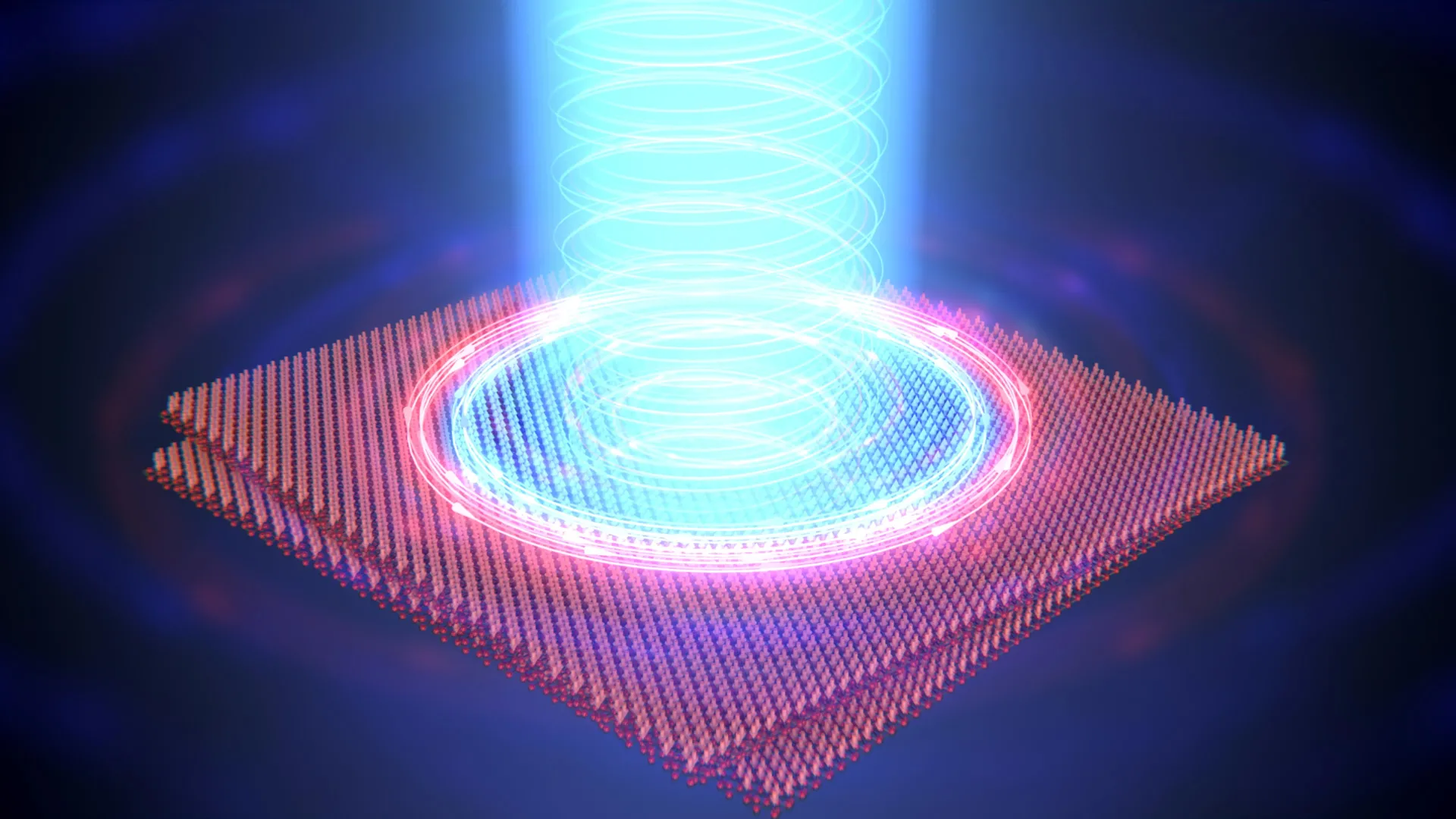
What makes triplet superconductors exceptional is a property that conventional superconductors do not possess: the ability to carry spin information. In conventional, or 'singlet,' superconductors, electrons pair up with opposite spins, which cancels any net spin signal and limits the material's utility to electrical applications. In a triplet superconductor, paired electrons have aligned or more complex spin configurations, meaning the material can transmit spin current — information encoded in the quantum mechanical property of electron spin — without any energy loss. This is precisely the capability needed to build the next generation of quantum computers and spintronic devices that process information in ways fundamentally different from conventional electronics. Theorists have been predicting the existence of triplet superconductors for decades; this is the first time one has been confirmed in the laboratory.
The NbRe alloy operates as a triplet superconductor at approximately 7 Kelvin — roughly minus 266 degrees Celsius. While still extraordinarily cold by everyday standards, it is significantly warmer than many of the leading candidate materials for quantum computing hardware, which typically require cooling to around 1 Kelvin. Standard cryogenic equipment available in most physics and materials science laboratories can reach 7 Kelvin, meaning the NbRe alloy could be studied and potentially integrated into devices without the extreme infrastructure currently needed for competing approaches. The NTNU team acknowledged that independent replication by other research groups would be needed before the field revises its theoretical frameworks, and two groups in Japan and one in Switzerland have reportedly begun replication studies.
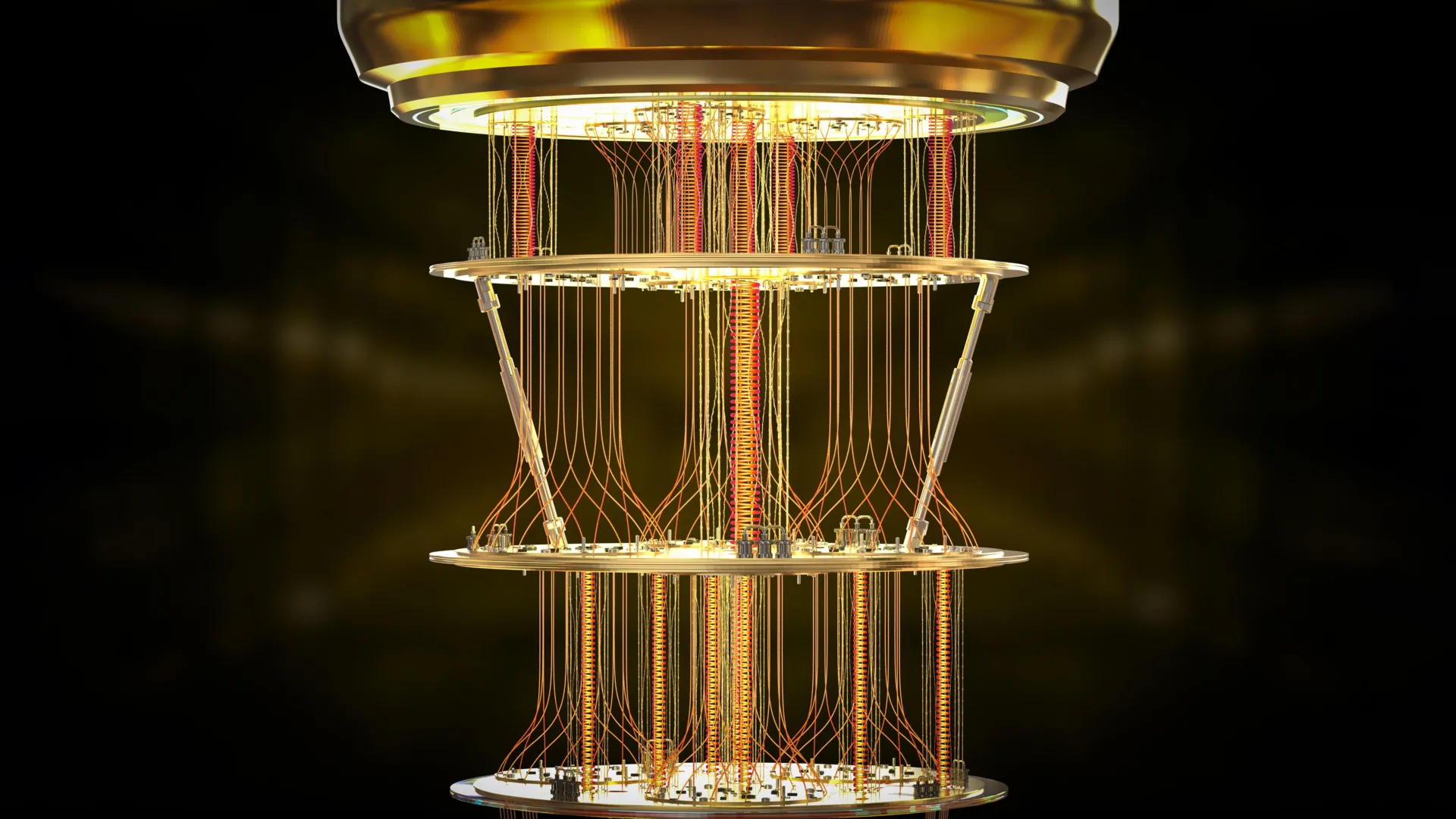
The implications for quantum computing could be significant if the findings hold. Current quantum processors from IBM, Google, and IonQ face severe limitations in connecting logical qubits to spintronic control elements. A triplet superconductor that functions at 7 Kelvin could enable new hybrid architectures combining the phase coherence of superconductivity with the information density of spin-based logic. It could also dramatically improve the efficiency of quantum memory and error-correction schemes, which remain some of the most stubborn unsolved problems in building practical quantum computers. 'This is something we have been looking for in this field for fifteen years,' Professor Linder said in a statement released by NTNU. 'We found it in a material that was sitting in plain sight.'