North Korea Tests Missiles Armed with Cluster-Bomb Warheads in Three-Day Weapons Spree
Pyongyang deployed its Hwasong-11 nuclear-capable ballistic missile fitted with cluster-munition warheads that can destroy 17 acres per strike, testing an array of new weapons while global attention was fixed on the US-Iran ceasefire.
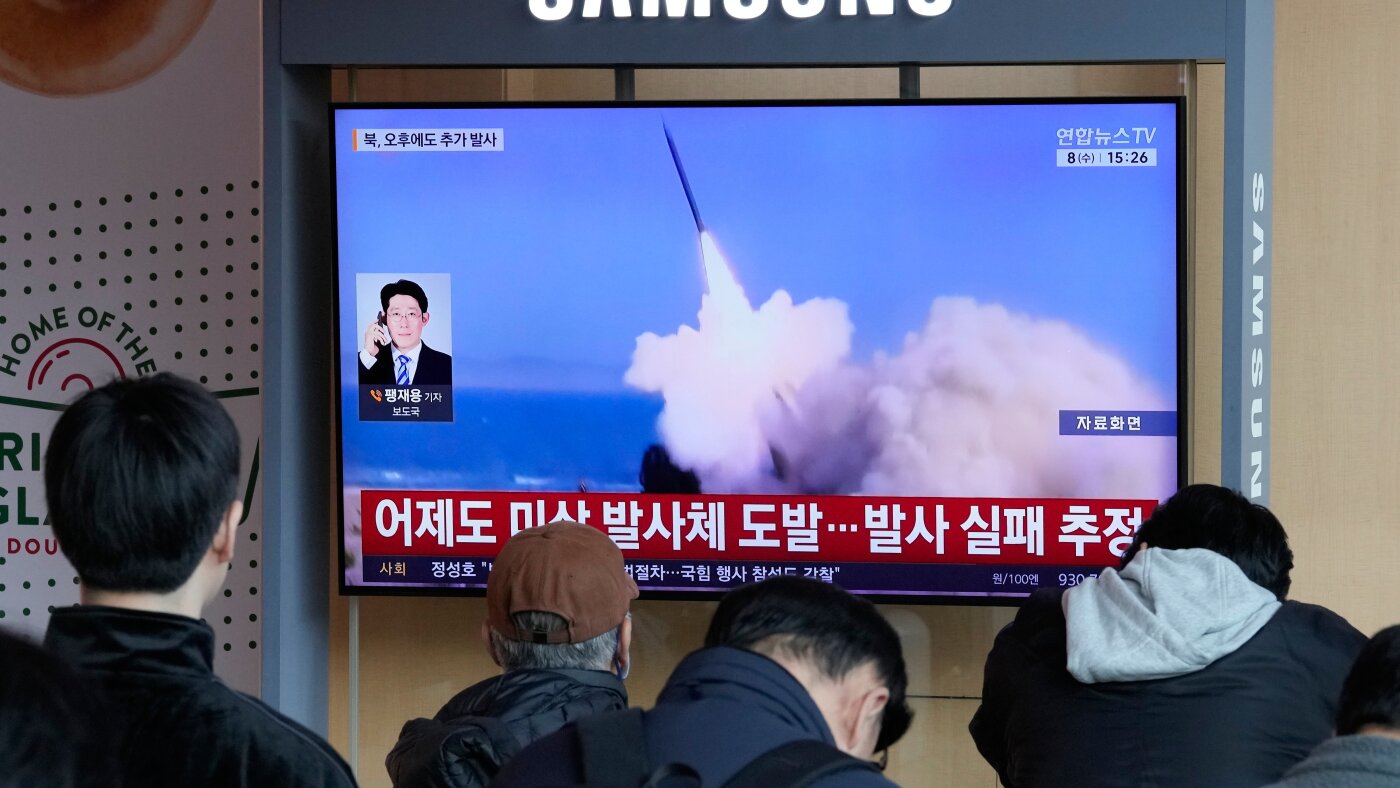
North Korea conducted a three-day weapons testing spree from April 7 to 9, 2026, announcing the results through state media on April 9 in a release that highlighted the regime's most dangerous new capability: ballistic missiles fitted with cluster-munition warheads capable of destroying an area of up to 17 acres with a single strike. The tests, carried out as global attention was absorbed by the US-Iran conflict and ceasefire negotiations, represent one of the most significant weapons demonstrations by Pyongyang in years.
The centerpiece of the testing was the Hwasong-11 ballistic missile, a nuclear-capable short-range weapon modeled closely on Russia's Iskander system and designed to fly at low altitude with a maneuvering trajectory that can evade most existing missile defense systems. In the April tests, the Hwasong-11 was fitted with cluster-munition warheads — dispensers that release dozens of submunitions over a wide area, making them particularly effective against airfields, troop concentrations, and armored formations. North Korean state media claimed the weapon "can reduce to ashes any target covering an area of 6.5 to 7 hectares," equivalent to roughly 16 to 17 acres.
Missiles launched during Wednesday's portion of the exercise flew between 240 and 700 kilometers — approximately 150 to 434 miles — before falling into the sea east of the Korean Peninsula. South Korea's Joint Chiefs of Staff detected the launches from a coastal area in North Korea's eastern provinces and described them as the second consecutive day of launches. Japan's Defense Ministry confirmed that none of the weapons entered its exclusive economic zone. The US Indo-Pacific Command said the tests "posed no immediate threat to the United States or its allies," while adding that Washington condemned the launches as violations of UN Security Council resolutions.
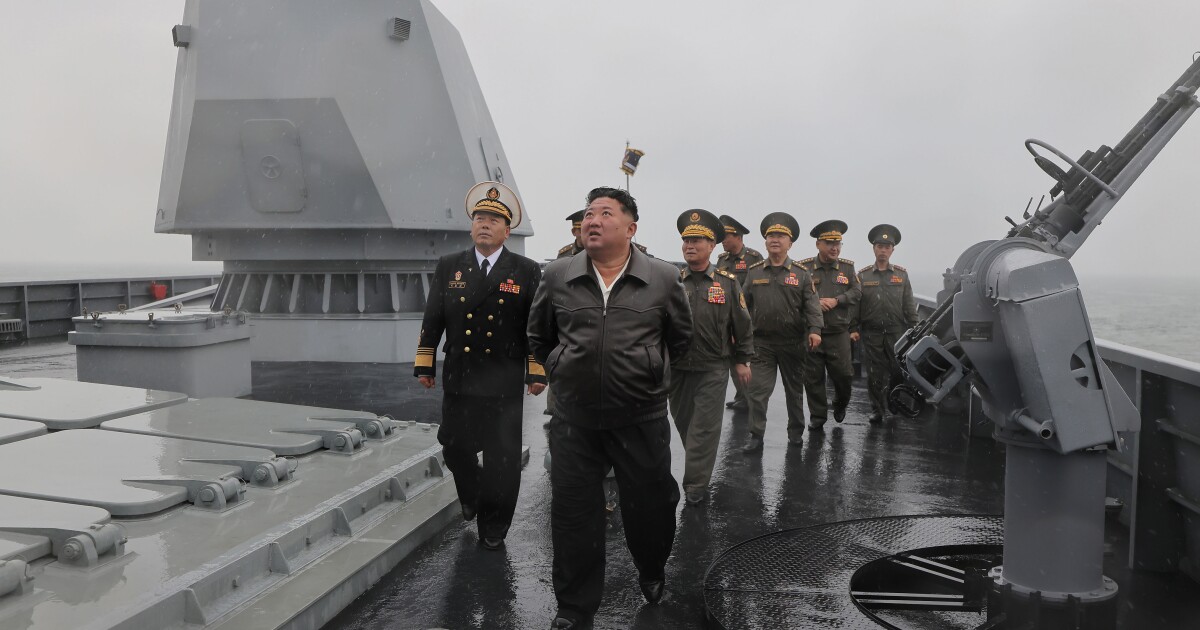
Beyond the cluster-armed Hwasong-11, the three-day spree showcased a broad expansion of North Korea's arsenal. State media images showed demonstrations of new anti-aircraft weapons systems, purported electromagnetic pulse devices, and carbon-fiber munitions — a type of bomb designed to short-circuit electrical infrastructure by releasing conductive fibers over power grids and transformers. The range of systems on display suggested Kim Jong-un is actively diversifying his non-nuclear strike options as well as continuing to develop weapons capable of threatening regional military infrastructure.
Analysts noted that the timing of the tests — carried out while the US was consumed with the Iran ceasefire and Vance's travel to Islamabad — appeared deliberate. "Kim has a history of testing international reactions when US attention is divided," said a Seoul-based security researcher who advises the South Korean government. "This is partly a message to Washington that the Korean Peninsula doesn't disappear from the agenda just because the Middle East is on fire." South Korea said it was conducting enhanced surveillance of North Korean military facilities in response.