51 Healthcare Workers Killed in Lebanon in One Month as Israeli Strikes Hit Ambulances, Hospitals, and Journalists
Nine paramedics died Saturday in five Israeli attacks, bringing March's healthcare worker death toll to 51. Three journalists were also killed in a strike on their marked press vehicle on the Jezzine Road.
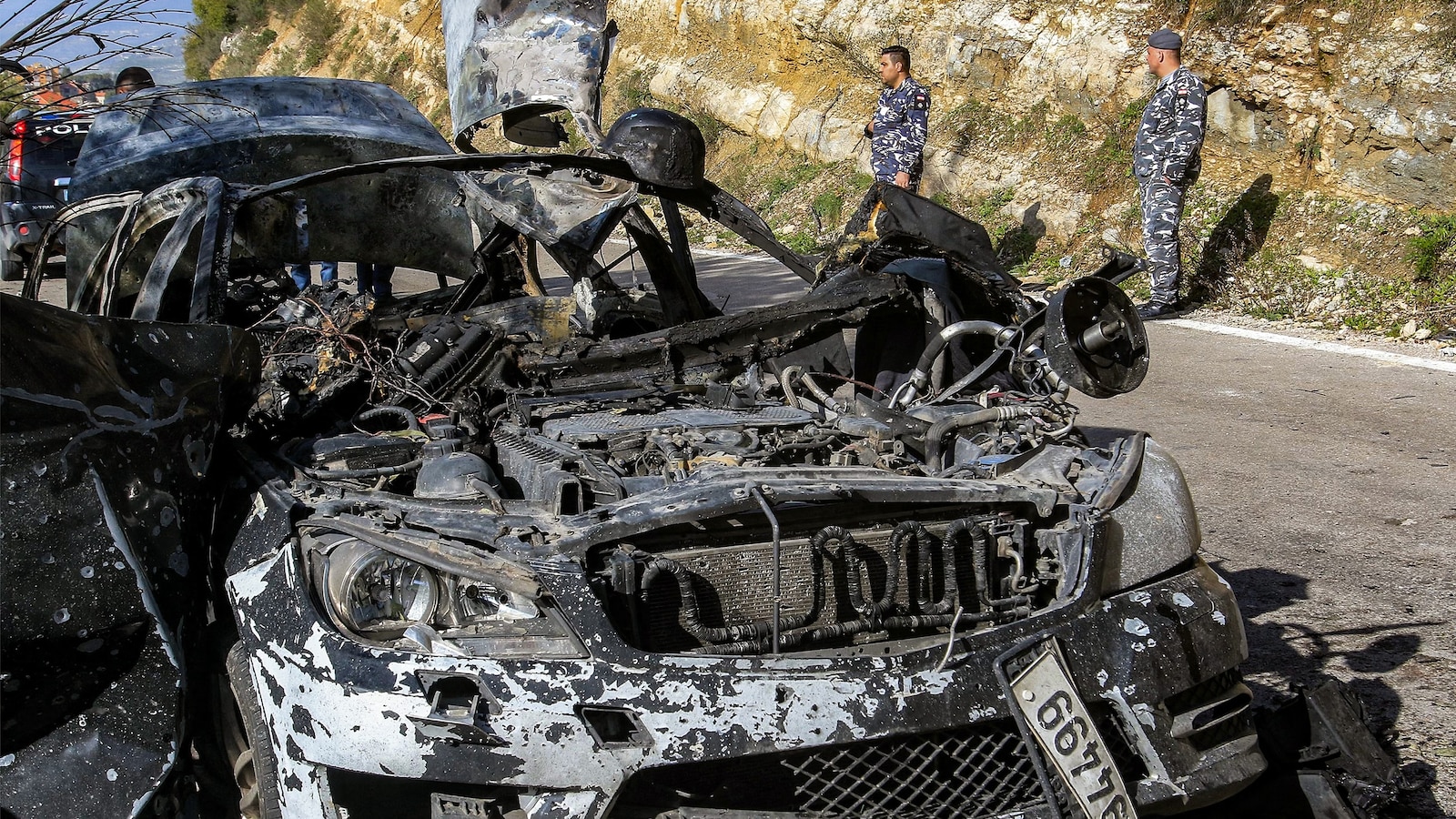
Nine paramedics were killed and seven more were wounded in five separate Israeli military strikes in southern Lebanon on Saturday, the World Health Organization announced, bringing the total number of healthcare workers killed in Lebanon since March 2 to 51 — including 46 paramedics. The WHO reported that 18 ambulances have been attacked and nine hospitals damaged or destroyed in the course of Israeli military operations. The figures represent one of the highest per-capita tolls on medical workers in any single month of modern warfare, according to humanitarian organizations tracking the conflict.
Also killed Saturday were three journalists whose marked press vehicle was struck by an Israeli missile on the Jezzine Road in southern Lebanon. Among those killed were Fatima Ftouni and her brother Mohammed Ftouni, both working for Al Mayadeen, and Ali Shuaib of Al-Manar television. A fourth journalist traveling with them was wounded. The Committee to Protect Journalists condemned the strike as a potential targeting of identified media personnel and called for an independent investigation. The Israeli military said it was reviewing the incident; it has not yet commented on the deaths of the paramedics killed Saturday.
Israeli forces have killed at least 1,189 people and wounded 3,427 in Lebanon since March 2, according to the Lebanese Ministry of Public Health. The strikes have targeted Hezbollah military infrastructure, commanders, and weapons depots in the south of the country, but have also struck areas where civilians and emergency responders have been operating. Lebanese health officials and international aid organizations have repeatedly called on the Israeli military to establish humanitarian corridors for ambulances and medical teams. Those calls have not produced any change in operational patterns visible from the ground.
The humanitarian picture inside Iran is also deepening. The Iranian Red Crescent has reported that more than 1,900 people have been killed inside the country since the U.S.-Israel bombing campaign began on February 28, with Iranian casualty figures including at least 217 children. The International Committee of the Red Cross said Friday that it has been unable to establish consistent access to affected areas in either Lebanon or Iran to provide medical assistance or document casualties. UN Secretary-General António Guterres issued a statement Friday calling for an immediate humanitarian pause to allow for the delivery of aid and the evacuation of wounded civilians.
The White House responded to Friday's statement by reiterating that the U.S.-Israel campaign against Iran's nuclear and military infrastructure was proceeding as planned, with President Trump saying diplomacy with Tehran was "ongoing." Vice President JD Vance told Fox News Saturday that the war would continue for "a little while longer" but offered no specific timeline or exit strategy. Antiwar protests erupted in dozens of cities across the United States on Saturday under the "No Kings" banner, with the Lebanon and Iran death tolls cited by demonstrators as emblematic of a conflict they say is spiraling beyond the administration's control. For the paramedics and journalists killed on the Jezzine Road, no explanation has been given by military authorities.