NATO Allies Put Naval Forces on High Alert as Trump's Iran Ultimatum Deadline Approaches
Secretary-General Rutte convened an emergency session of the North Atlantic Council as Iran vowed to 'completely close' the Strait of Hormuz if Trump follows through on his threat to strike Iranian power plants.
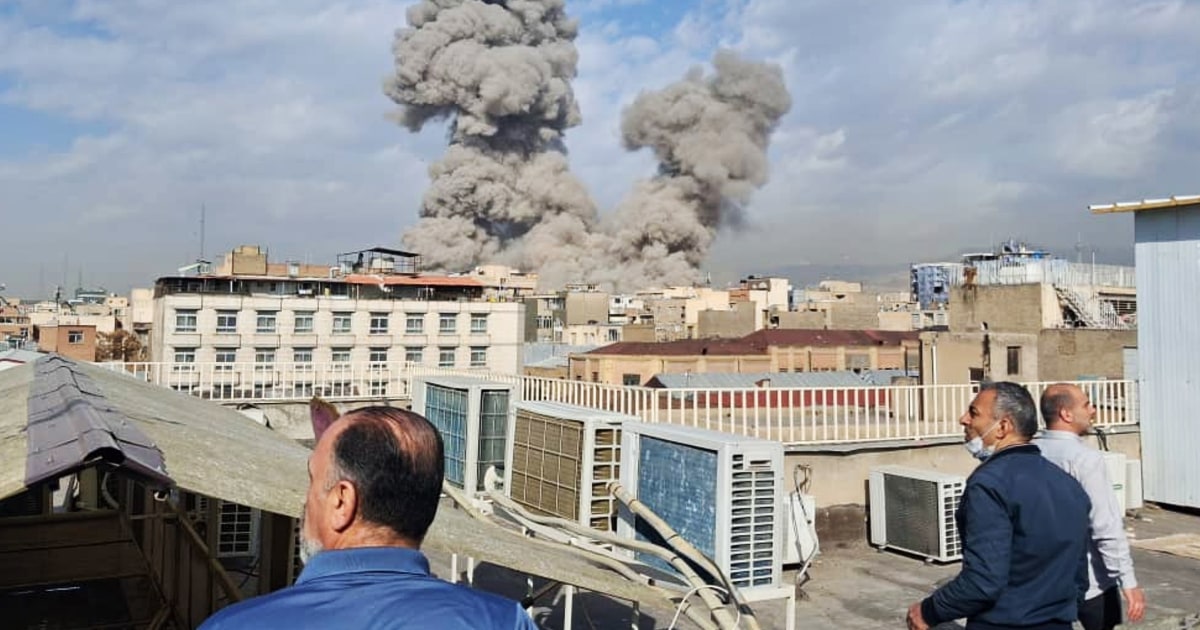
NATO Secretary-General Mark Rutte said Sunday that alliance members were taking concrete action to prepare for potential disruption to global energy shipping through the Strait of Hormuz, as President Trump's 48-hour ultimatum to Iran — threatening to strike the country's largest power plants if Tehran did not fully reopen the critical waterway — drew closer to its deadline with no sign of Iranian compliance. Diplomatic and military officials across Europe and the Gulf described the situation as the most acute threat to global energy markets in decades.
Trump issued the ultimatum in a post on Truth Social late Saturday, warning that the United States would 'hit and obliterate' Iranian energy infrastructure, beginning with the country's largest power plant, if Iran did not open the Strait of Hormuz 'without threat' within two days. The Strait of Hormuz, a 21-mile-wide chokepoint between Iran and Oman, is the only maritime passage through which oil from Saudi Arabia, the United Arab Emirates, Kuwait, and Iraq can reach global markets. Iran has imposed a partial blockade on the strait since the start of the U.S.-Israel war against it on February 28, a restriction that has helped drive global oil prices up more than 30 percent since the conflict began, with economic ripple effects felt from New Delhi to Berlin.
Rutte, speaking in Brussels after an emergency session of the North Atlantic Council convened Sunday, said NATO members with naval assets in the Persian Gulf had been placed on heightened readiness. France, the United Kingdom, and Germany — NATO's three largest European military powers — each have warships in or near the Gulf region. All three countries have been pressing the Trump administration for a diplomatic resolution to the Iran conflict, and all three voiced alarm at Trump's ultimatum. Rutte said NATO was not directly party to the military operations against Iran, which are being conducted under bilateral U.S.-Israel arrangements that were not presented to the alliance for consultation. He nevertheless warned that full disruption of Hormuz shipping would constitute 'an attack on the global economy that affects every NATO member and every allied citizen.
Iran's military command responded Sunday that the strait would be 'completely closed' if Trump followed through on the power plant threat. IRGC Navy spokesman Rear Admiral Alireza Tangsiri said Iran had the capability to mine the strait and to deploy anti-ship missiles to deny passage to any vessel. Iranian state television broadcast footage of what it described as missile boats and fast-attack craft being prepared at naval bases on the Persian Gulf coast. The International Energy Agency, convening an emergency board meeting in Paris on Sunday, warned that a full Hormuz closure would remove up to 17 million barrels of oil per day from world markets — an amount that would dwarf any previous supply disruption in recorded history, including the 1973 Arab oil embargo.
In Washington, senior administration officials struck a calibrated tone in public while reviewing military options privately. Treasury Secretary Scott Bessent told NBC News that 'sometimes you have to escalate to de-escalate,' a formulation that became the administration's dominant public posture. National Security Adviser Mike Waltz, appearing on Fox News, said Trump's ultimatum was 'deadly serious' and that the president had authorized 'all necessary options.' National Security Council officials told reporters that ground troops being deployed inside Iran to physically clear and hold the strait remained among the options under active review, though Defense Secretary Pete Hegseth did not publicly confirm that option. Congress, which has already passed one war powers resolution demanding greater White House consultation, began organizing an emergency session for Monday morning. The 48-hour window expires Monday evening.