Lebanon in Flames: 1.2 Million Displaced, 1,497 Dead as Israel Escalates Ground War
Israel's ground offensive pushes deeper into Lebanon, demolishing key bridges and ordering evacuation of southern Beirut as the humanitarian crisis reaches its worst levels since the country's civil war.
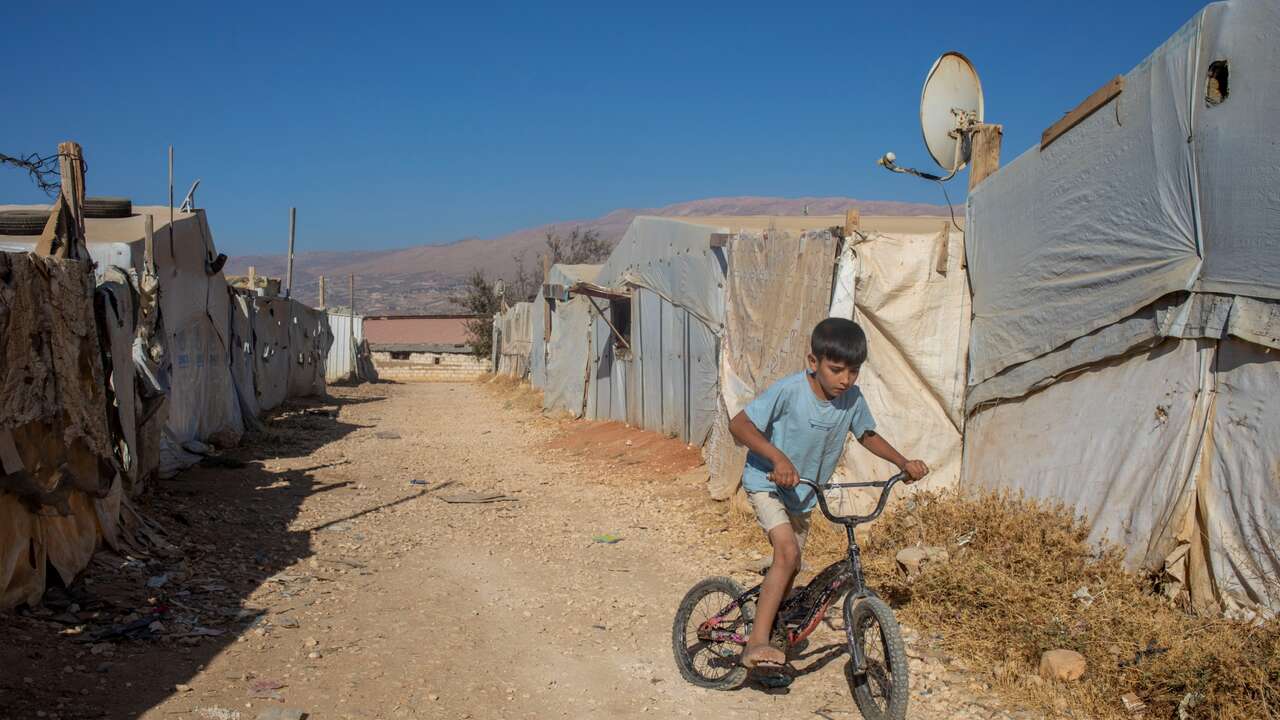
The scale of human suffering in Lebanon has reached its worst point since the country's 15-year civil war ended in 1990. More than 1.2 million people — roughly 22 percent of the entire Lebanese population — have been forced from their homes since Israel launched its military campaign against Hezbollah earlier this year, the United Nations reports. At least 1,497 people have been killed and 4,639 wounded, among them 126 children, according to Lebanon's Public Health Ministry.
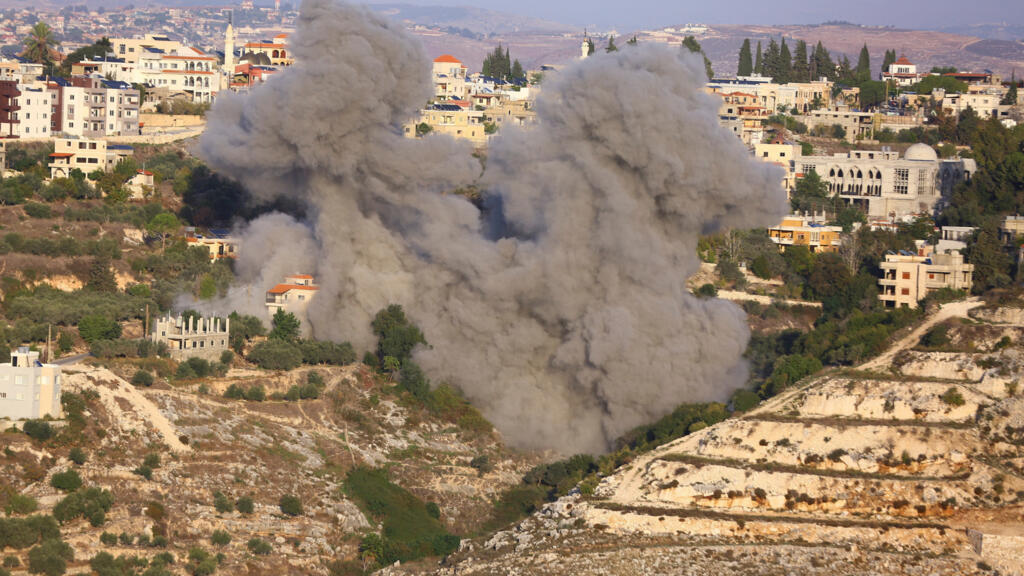
On April 6, Israel ordered residents of southern Beirut's suburbs to evacuate ahead of planned airstrikes on what the Israel Defense Forces described as Hezbollah infrastructure, marking one of the campaign's most significant escalations into the Lebanese capital's outskirts. Earlier in the day, an Israeli strike in Ain Saadeh — a Christian neighborhood just north of Beirut — killed a Lebanese Forces Party official, Pierre Mouawad, along with his wife and another woman, sending a jolt of fear through communities that had previously considered themselves beyond the conflict's reach.
In southern Lebanon, Israeli ground forces have pushed past the Litani River and are now expanding their buffer zone further north toward the Zahrani River, a move that has displaced an additional several hundred thousand civilians. To sever supply lines, the IDF demolished the Qasmiyeh Bridge on March 22 and the Dallafa Bridge on March 23, cutting the south off from the rest of the country and creating acute shortages of food, medicine, and fuel in the affected areas.
The humanitarian toll on frontline rescue workers has been devastating. On April 6 alone, Israeli strikes killed three paramedics within 12 hours: two members of the Islamic Health Authority died in Haris, and a third from the Al-Risala Association was killed in Tyre while helping survivors of an earlier strike. Two additional paramedics were wounded and an ambulance was destroyed. The deaths drew immediate condemnation from the International Committee of the Red Cross, which stated that medical personnel and vehicles must be protected under international humanitarian law.
In Beirut, a strike on a residential neighborhood killed five people and wounded 52 others, including a 15-year-old girl and eight children. In the Nabatieh district, an Israeli raid on a vehicle killed both parents, leaving their nine- and fifteen-year-old children as the only survivors. Aid workers and UN officials described scenes of families sheltering in schools, public parks, and mountain villages, with collective shelters stretched beyond capacity. Children in displacement sites are suffering from diarrhoeal illness and eye infections due to overcrowding and a lack of clean water.
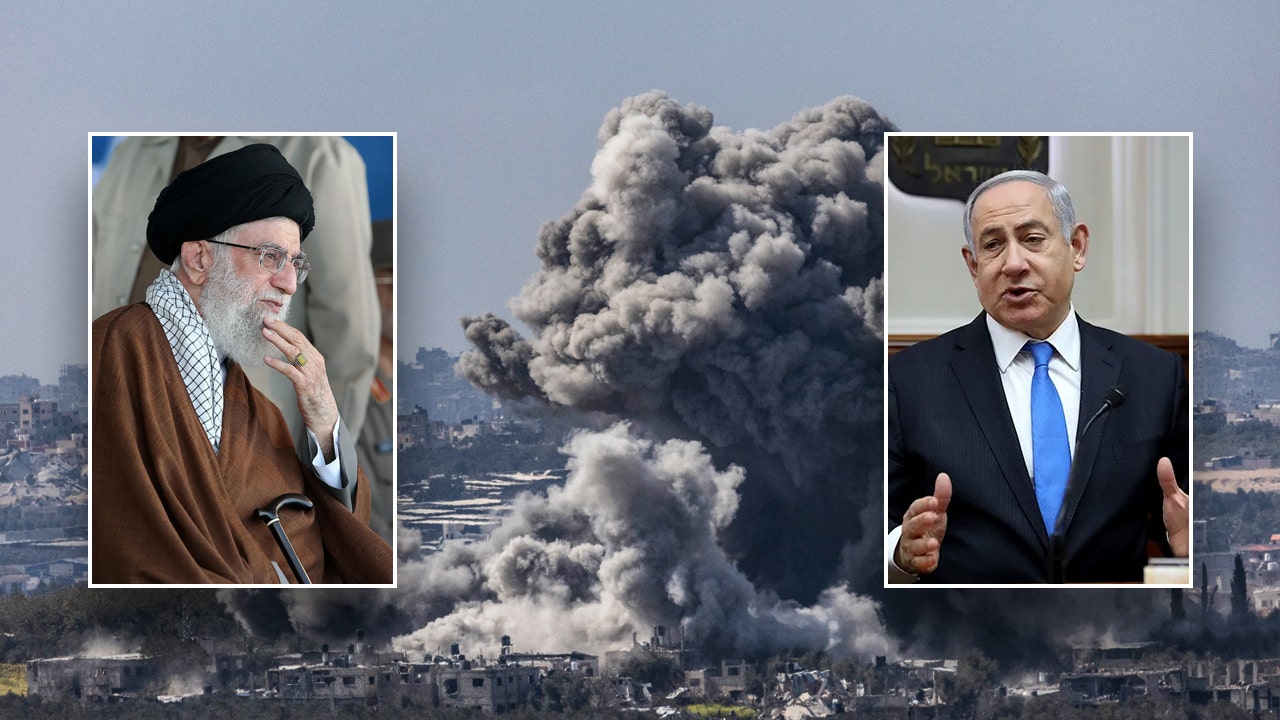
Hezbollah has continued launching rockets and missiles into northern Israel throughout the campaign, with the group claiming attacks on IDF ground units operating inside Lebanon and launching salvos toward cities including Haifa and Safed. The conflict has also drawn in broader regional actors: in coordination with the ongoing US-Israel war against Iran, Hezbollah has launched joint drone and missile barrages targeting Israeli military positions. Israel has responded with deep strikes on Hezbollah's command infrastructure, weapons depots, and financial networks across the country.
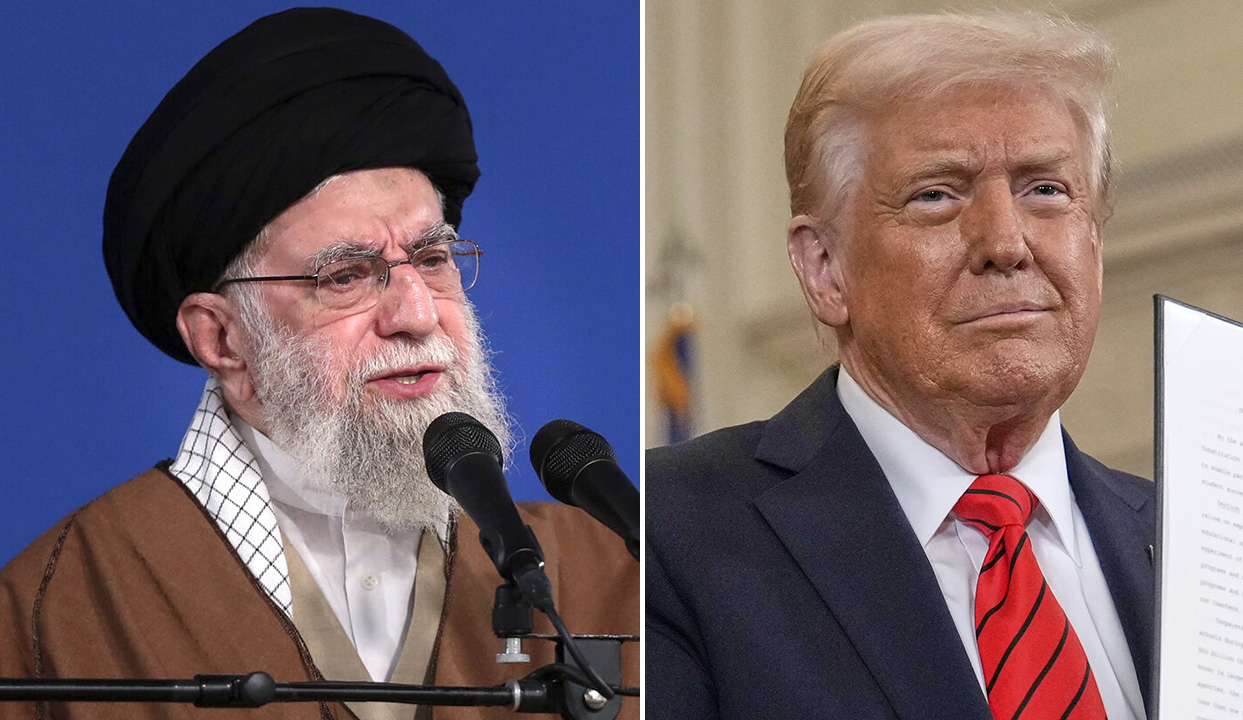
On April 1, a naval strike eliminated Hajj Yusuf Ismail Hashem, commander of Hezbollah's Southern Front, in what Israeli officials called a significant blow to the group's operational capacity. However, Hezbollah has shown no signs of relenting, and senior officials in Tehran have made clear that any ceasefire deal for the Iran conflict must include an end to hostilities in Lebanon as a precondition.
The international community has grown increasingly alarmed. Canada, France, Germany, Italy, and the United Kingdom issued a joint statement calling on Israel to avoid further expansion of ground operations and urging all parties to protect civilians. The United Nations Secretary-General's Personal Envoy has begun regional diplomatic meetings aimed at de-escalation, but no breakthrough has been announced. As the conflict enters its second month with no end in sight, aid agencies warn that Lebanon's already fragile state — still recovering from the 2020 Beirut port explosion and years of economic collapse — may not survive another prolonged confrontation of this scale.