Vietnam Unanimously Elects Le Minh Hung as Prime Minister for 2026-2031 Term
All 495 legislators voted in favor, making Hung only the 10th person to lead Vietnam's government since 1945.
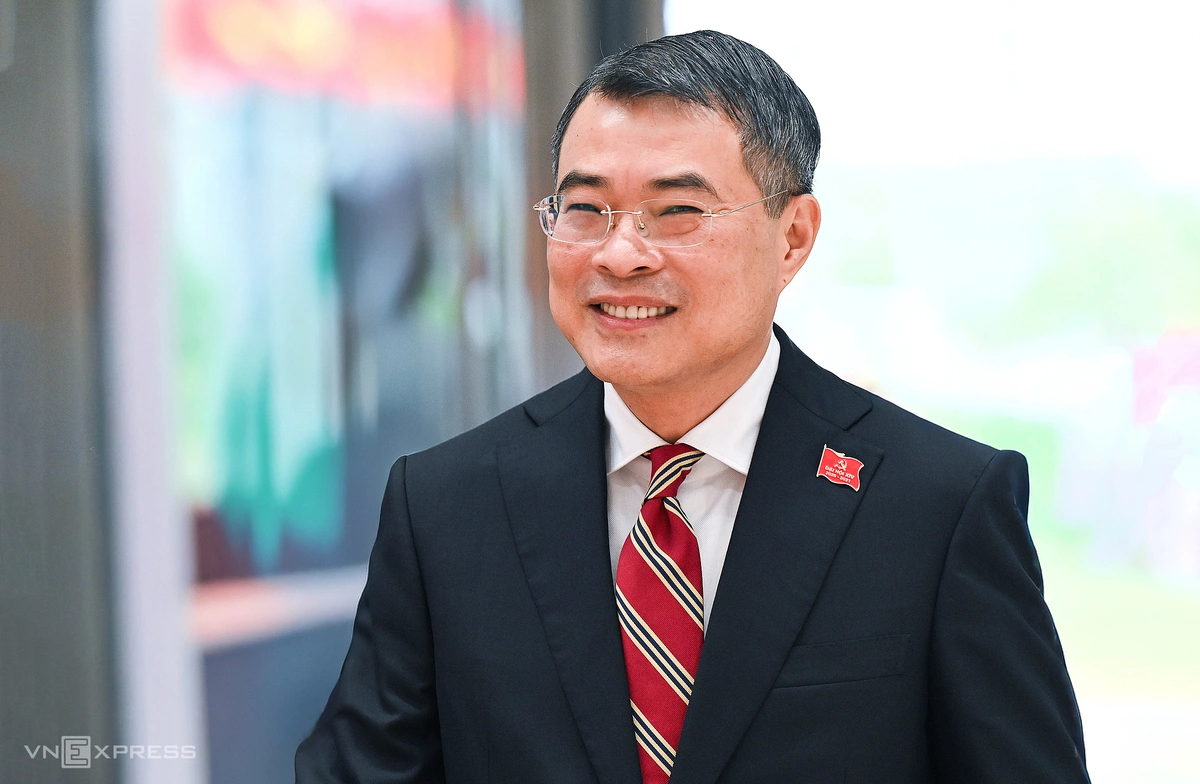
Vietnam's 16th National Assembly unanimously elected Le Minh Hung as the country's new Prime Minister on April 7, with all 495 legislators present casting votes in his favor. Hung, 56, takes the helm of the Vietnamese government for a five-year term running through 2031, replacing outgoing Prime Minister Pham Minh Chinh and becoming only the tenth person to lead Vietnam's government since the country's founding in 1945.
Hung arrives at the premiership with one of the most varied institutional resumes in Vietnamese politics. He spent nearly three decades rising through the State Bank of Vietnam, becoming its governor in 2016 at just 46 years old — the youngest cabinet-level bank chief of that government term. He subsequently served as Chief of the Party Central Committee Office from 2019 to 2024, then moved to lead the Organization Commission beginning in May 2024, a powerful internal party body responsible for personnel decisions across the Communist Party of Vietnam. He holds a Master's degree in Public Policy and two Bachelor's degrees, one in Public Policy and one in French.
In his initial remarks following the vote, Hung set an ambitious economic course. He announced a target of at least 10 percent annual GDP growth, to be driven primarily by innovation, digital transformation, and what he described as a new "two-tier local government model" intended to streamline administration from the national level down to municipalities. He also emphasized investment in human development and social welfare as pillars of his economic strategy — framing growth not just as a raw macroeconomic target but as a vehicle for improving living standards across Vietnam's more than 98 million residents.
Vietnam's economy has been among the most dynamic in Southeast Asia over the past decade, averaging annual growth above six percent and attracting substantial foreign direct investment from manufacturers diversifying supply chains out of China. However, the country faces intensifying headwinds from the global trade environment, particularly U.S. tariff pressures introduced during the Trump administration that have struck hard at Vietnamese textile and electronics exporters. Hung's 10 percent growth target, while ambitious, reflects Hanoi's determination to press forward with development goals regardless of external turbulence.
The unanimous vote for Hung was a demonstration of the political unity that characterizes Vietnam's single-party system at moments of leadership transition. He had been elected as a 16th-term National Assembly deputy from Hai Phong in March 2026 with 99.87 percent of the vote in that constituency — a standard feature of Vietnamese elections. His predecessor Pham Minh Chinh had overseen a period of rapid growth and significant infrastructure investment. Analysts in Hanoi expect Hung to maintain continuity on the country's core foreign policy posture of strategic balancing between Beijing and Washington while pushing hard on the domestic digital economy agenda that has become central to Vietnam's long-term development planning.