Kenya's President Told Tata Chemicals to Pack Up and Leave the Lake It Has Mined Since 2005
William Ruto says the Indian company built no factory and hired no one in Kajiado County. Tata says it is fully compliant and has heard nothing official.
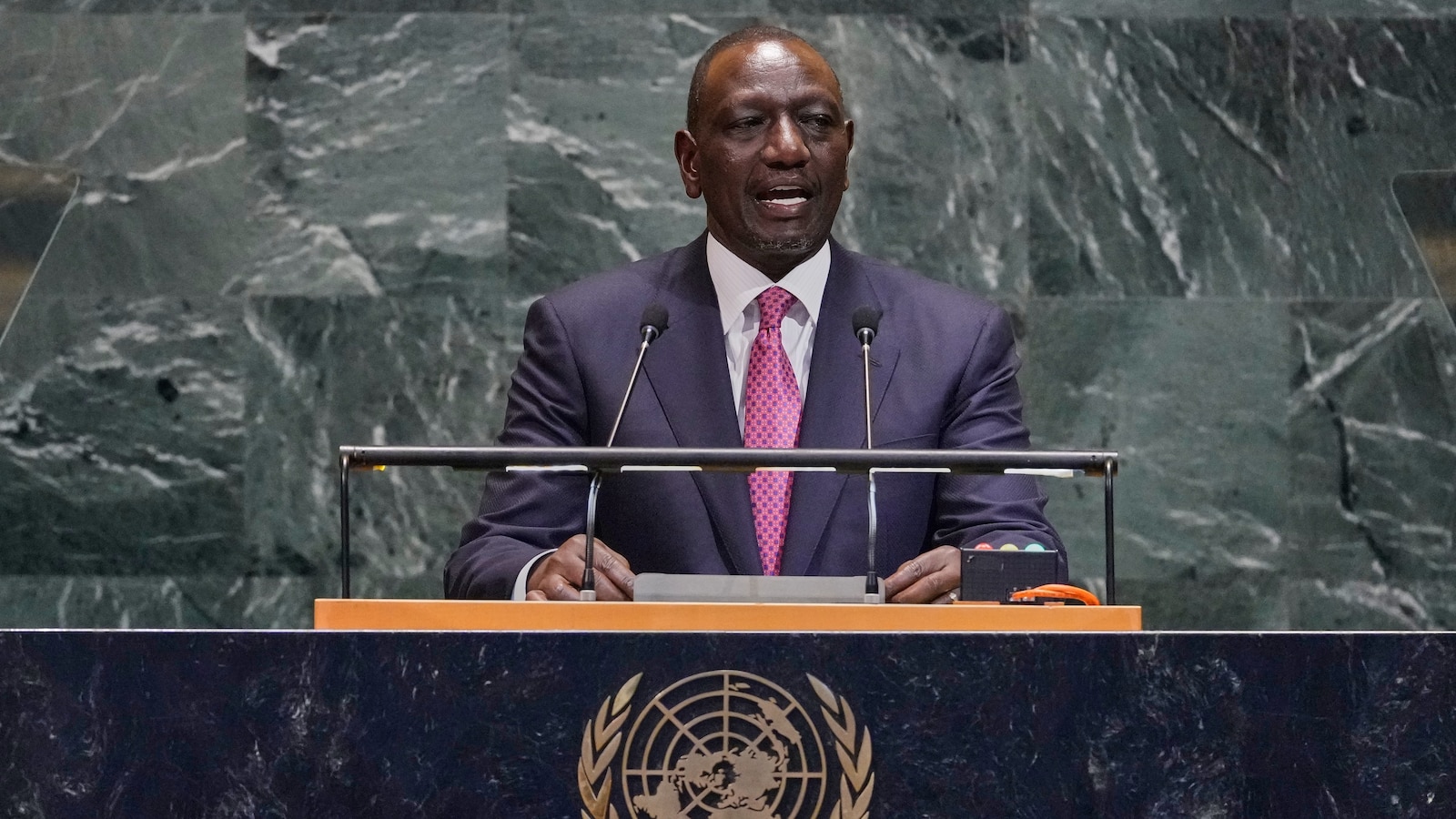
President William Ruto told Tata Chemicals to leave Kenya, saying at a public rally on Thursday that the Indian company had spent two decades taking soda ash out of Lake Magadi and given the surrounding county almost nothing back.
"I told them to pack and leave," Ruto said. "We will bring a new company and the condition set is they must build a glass factory here." He accused the firm of failing to produce any economic impact in Kajiado County, the arid southern region where the lake sits: "They have not built any factory or employed people."
Tata Chemicals Magadi Limited has operated in Kenya since 2005, when the Indian conglomerate acquired the century-old Magadi Soda Company. Lake Magadi is one of the world's largest natural sources of trona, the mineral refined into soda ash, which glassmakers, soap manufacturers and detergent producers buy in bulk. Kenya exported 254,779 tons of it in the year through July 2025, worth about $56.9 million.
Ruto's complaint is the one that runs through resource politics across the continent. The raw mineral leaves the country, the value is added somewhere else, and the mining region gets a rail siding and a wage bill. His condition for any replacement operator is that it build glass manufacturing on Kenyan soil rather than shipping the input abroad.
The government had already moved against the company before the rally. Kenya's mining ministry suspended Tata Chemicals Magadi's operations in July pending what it called a compliance review, an action that halted production at the site while officials examined the license.
The company's response was measured and pointedly procedural. In a filing to India's National Stock Exchange on Friday, Tata Chemicals said its Kenyan subsidiary is "fully compliant" in the country and is awaiting communication from the government regarding the review of its operations. It said it remains committed to constructive engagement. It did not confirm receiving any formal order to leave, which suggests the president's rally remarks have not yet been converted into a legal instrument.
That gap matters. A directive delivered from a podium is not the same as a revoked license, and the company's mining rights, whatever their status under the July suspension, would ordinarily be governed by the terms of its agreement with the state. An abrupt exit would also carry costs the government has not detailed: the workforce at the Magadi site, the freight revenue on the rail line built to serve it, and the export earnings that soda ash contributes to a country under persistent pressure on its foreign currency reserves.