Israel Kills 182 in Lebanon as US-Iran Ceasefire Teeters on Collapse
Israeli strikes on 100 Hezbollah targets in 10 minutes produced the highest single-day death toll since the broader Middle East war began, as Strait of Hormuz transits fall to a fraction of normal.
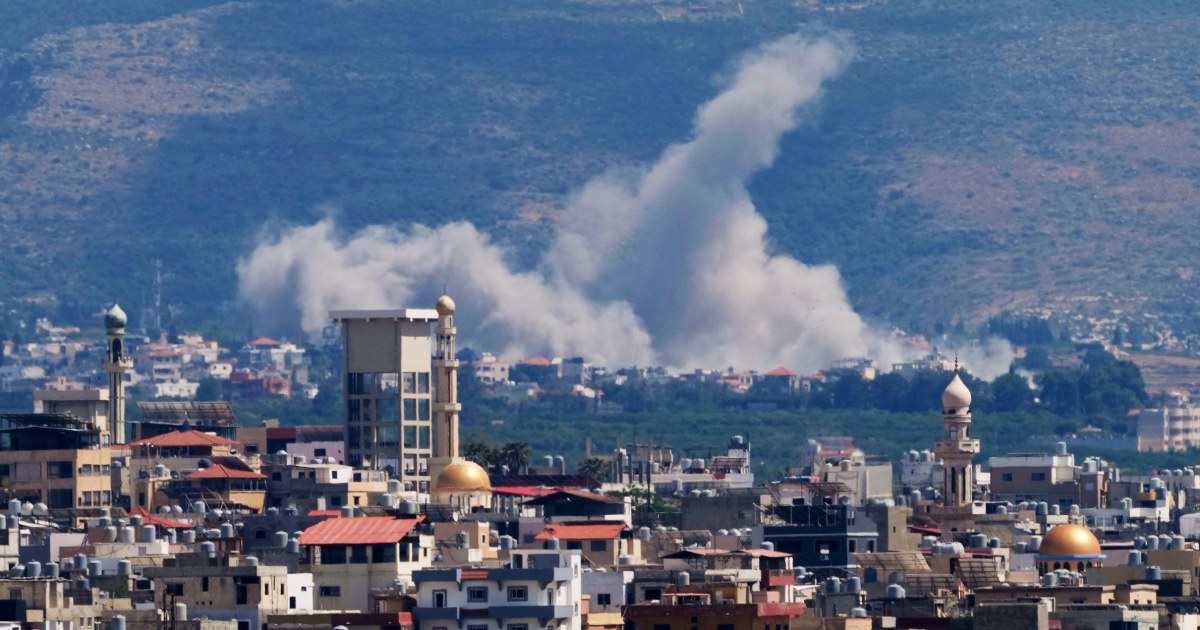
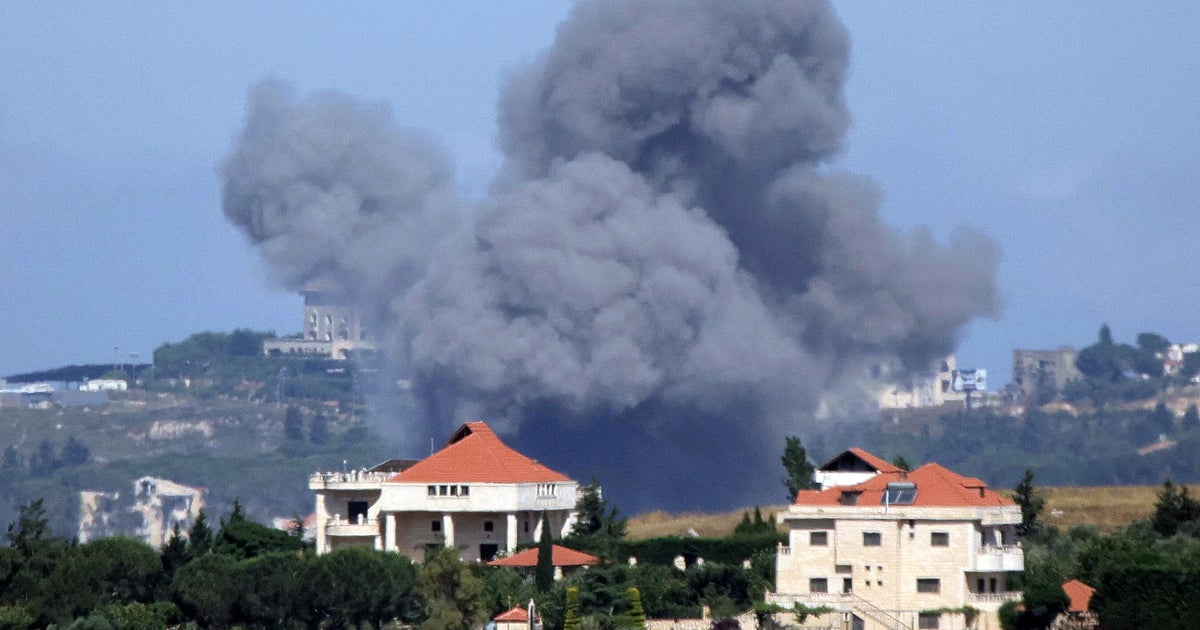
Israel launched one of its most intense single-day assaults on Hezbollah targets in Lebanon on Wednesday, killing at least 182 people and injuring more than 1,000 others, according to Lebanese health authorities. The Israeli military said it struck 100 Hezbollah positions across southern Lebanon and the Bekaa Valley within a 10-minute window early Wednesday morning — the deadliest day in Lebanon since the broader Middle East conflict escalated following Iran's confrontation with the United States in early March.
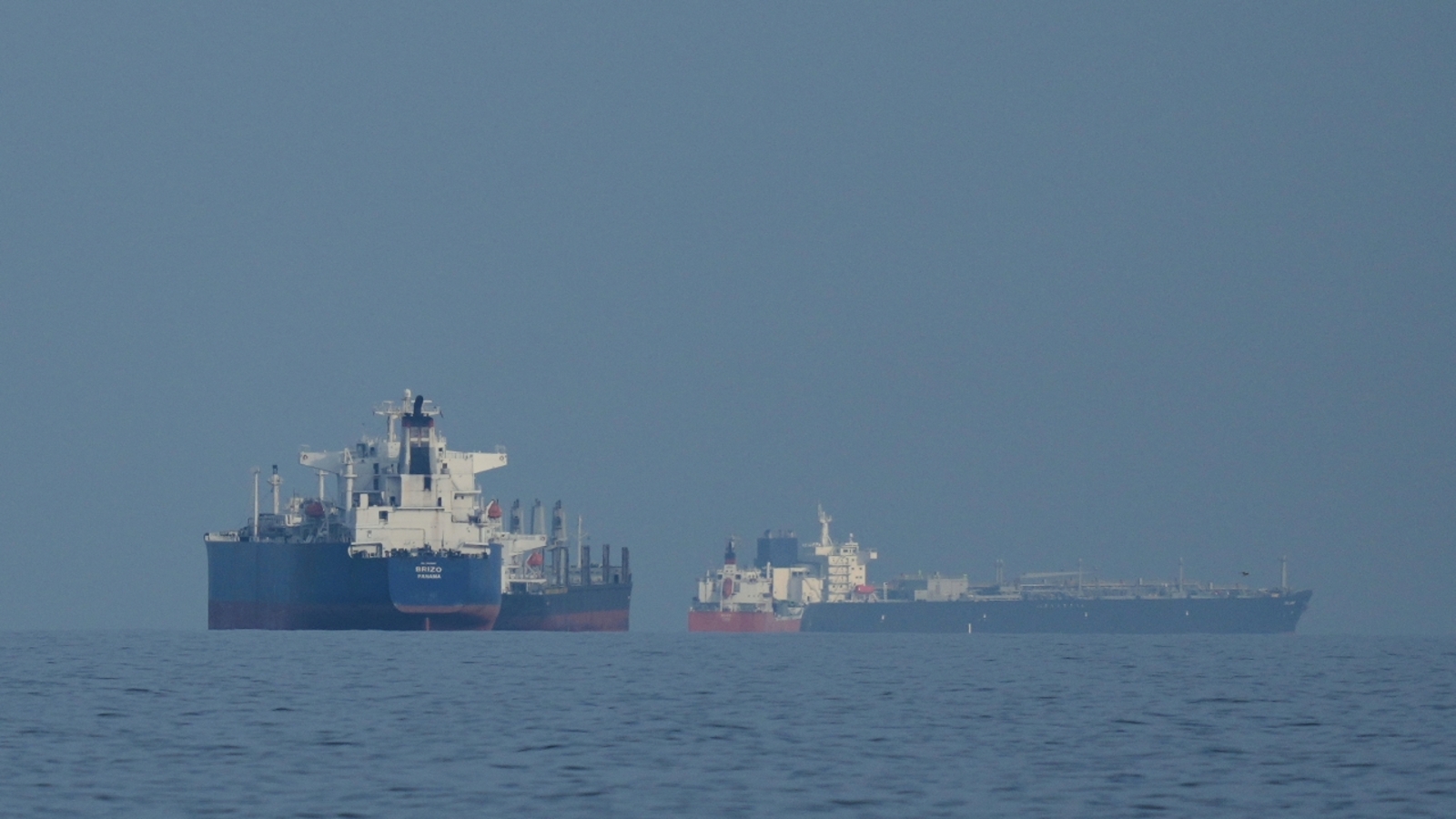
The strikes sent a fresh wave of panic through the region just as the fragile US-Iran ceasefire, struck last week, appeared to be unraveling. The ceasefire's core provision — Iran allowing full transit through the Strait of Hormuz — showed signs of breaking down Wednesday, with shipping data indicating only four vessels transited the strait, compared to a pre-conflict daily average of roughly 140. President Donald Trump responded with fury on his Truth Social platform, warning Tehran to stop any interference "now" or face the consequences. "Iran is doing a very poor job, dishonorable some would say, of allowing Oil to go through the Strait of Hormuz," Trump wrote. "That is not the agreement we have!"
Iranian Foreign Minister Abbas Araghchi pushed back, insisting that "safe passage through the Strait of Hormuz will be possible via coordination with Iran's Armed Forces," but added that Iran viewed the Israeli strikes on Lebanon as a violation of the spirit of the ceasefire. The White House, through Press Secretary Karoline Leavitt, flatly rejected that framing, calling reports of any Iranian naval closure "false" and reaffirming American commitment to keeping global oil supply lines open.
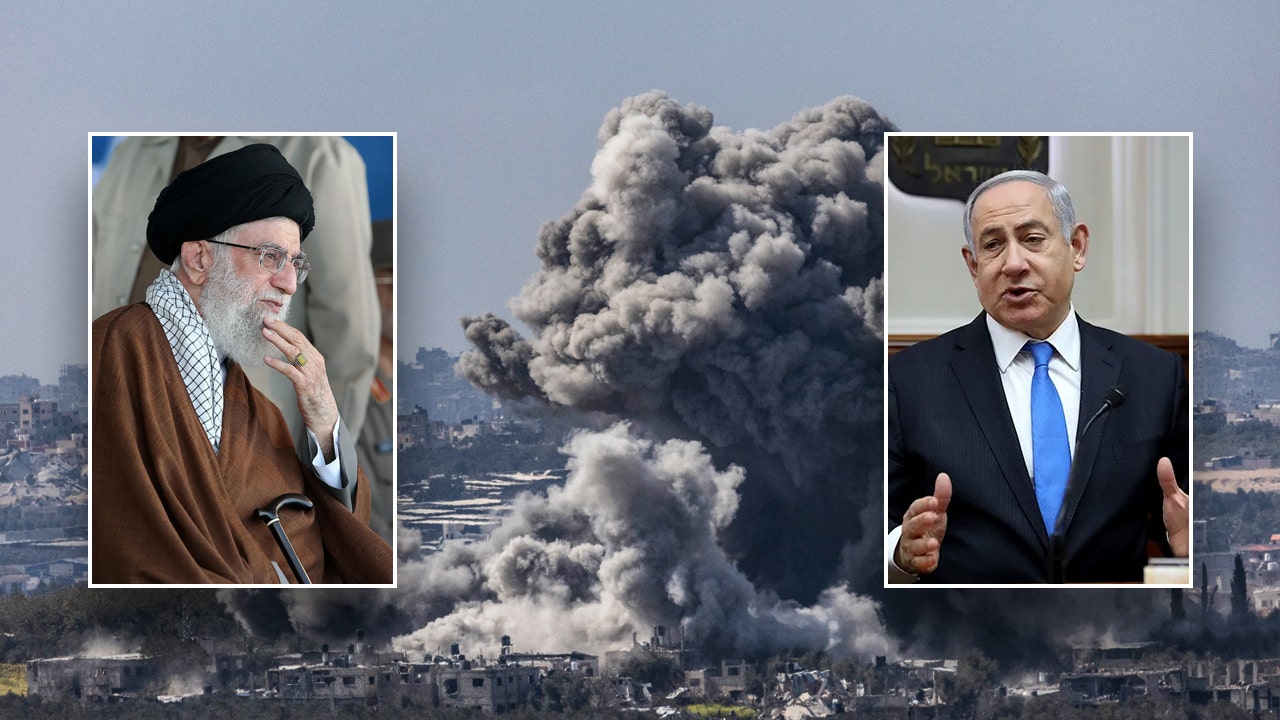
Central to the tensions is the status of Lebanon. Israeli Prime Minister Benjamin Netanyahu publicly confirmed Wednesday that Lebanon is not included in the US-Iran ceasefire deal, giving Israel wide operational latitude to continue striking Hezbollah. Vice President JD Vance, who is traveling to Islamabad this weekend to lead the next round of negotiations with Iranian and Pakistani officials, tried to temper expectations. "Ceasefires are always messy," Vance told reporters before departing Washington. He also clarified that "the U.S. never made that promise" regarding the inclusion of Lebanon in any agreement with Tehran.
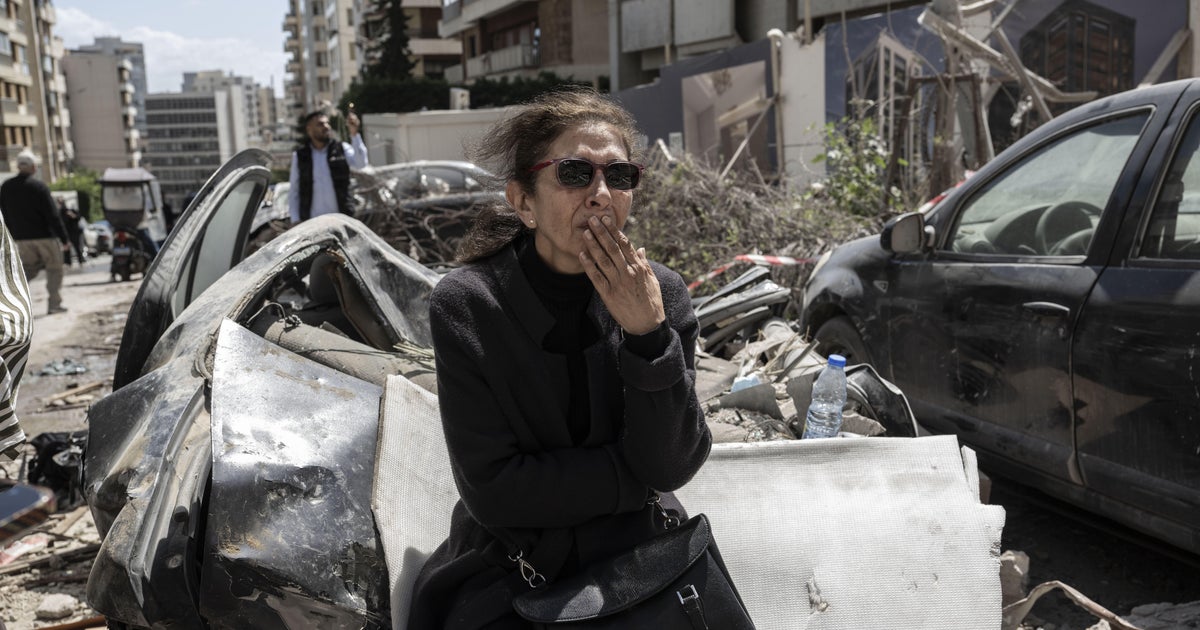
The State Department separately announced it would host Israel-Lebanon ceasefire talks next week, with US Ambassador Michel Issa assigned to mediate. Whether those talks yield any tangible progress remains doubtful given Wednesday's casualty figures. Lebanese Prime Minister Nawaf Salam condemned the Israeli strikes as disproportionate and called on the United Nations Security Council to convene an emergency session. The Lebanese Red Cross described hospitals in Tyre and Sidon as overwhelmed, with bodies still arriving late into the night.
For the United States, the dual challenge — managing the Iran ceasefire while allowing Israel to continue operations against Hezbollah — represents one of the most delicate diplomatic balancing acts of Trump's second term. Major combat operations against Iran were formally launched February 28, and a two-week conditional ceasefire was announced last week suspending further strikes on Iranian nuclear facilities in exchange for Tehran reopening maritime commerce. Wednesday's events, however, injected fresh doubt that the ceasefire will survive its first two weeks.
Oil markets reacted sharply to the news. Brent crude surged $4.70 per barrel in early Thursday trading to hover near $127, reflecting renewed fears about Hormuz disruptions. Analysts at Goldman Sachs warned in a note that if Iranian compliance with the Hormuz provision collapses entirely, a return to the $140-per-barrel price level seen during the height of hostilities in March is plausible. Energy prices have already risen roughly 50% since the US-Iran war began, contributing significantly to the inflation picture that has spooked Federal Reserve officials.