Israel Orders Military to Intensify Demolitions in Southern Lebanon
Defense Minister Israel Katz commands troops to destroy more bridges and buildings, raising concerns about expanding military-controlled buffer zone.
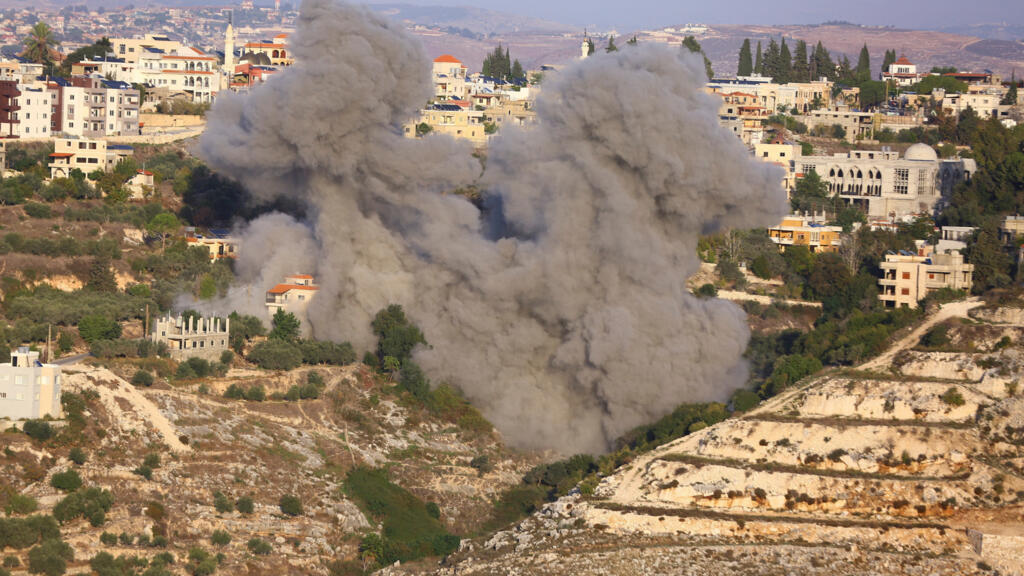
Israel's Defense Minister Israel Katz ordered the military to intensify demolition operations in southern Lebanon on Saturday, directing troops to destroy additional bridges, buildings, and infrastructure in a move that observers say is designed to expand the military-controlled buffer zone along the border. The order marks a significant escalation in Israel's operations in Lebanon, which have continued despite international calls for restraint and a fragile ceasefire agreement reached late last year.
The Israeli military confirmed that engineering units had been deployed to carry out demolition operations in multiple areas south of the Litani River, the boundary that United Nations Security Council Resolution 1701 established as the limit of any military presence following the 2006 war between Israel and Hezbollah. The demolitions target structures that the military says could be used by Hezbollah fighters to stage attacks against Israeli territory.
The expanded operations have drawn sharp criticism from the Lebanese government, which accused Israel of violating the ceasefire and systematically destroying civilian infrastructure under the guise of security operations. Lebanese officials said the demolitions have rendered entire villages uninhabitable, preventing thousands of displaced residents from returning to their homes.
The United Nations Interim Force in Lebanon, known as UNIFIL, which monitors the border region, expressed concern about the expanded demolitions and said the operations were inconsistent with the terms of the ceasefire agreement. UNIFIL peacekeepers have reported observing Israeli military vehicles and engineering equipment operating deep inside Lebanese territory, well beyond the positions they occupied during the initial phases of the current deployment.
Katz defended the operations in a statement, saying that Israel would take whatever measures were necessary to ensure that its northern border communities could live in security. He pointed to Hezbollah's extensive tunnel network and fortified positions in southern Lebanon as evidence that the group was preparing for renewed hostilities and said the buffer zone needed to be expanded to provide adequate protection.
The demolitions have focused on infrastructure that connects villages to major roads, including bridges over rivers and ravines that provide the primary access routes for civilian communities. Military analysts said the destruction of these links serves a dual purpose: it makes it more difficult for Hezbollah to move fighters and weapons into forward positions, and it creates a depopulated zone that provides Israeli forces with clearer sight lines and longer warning times.
Hezbollah has not responded militarily to the expanded demolitions, but the group issued a statement condemning the operations and warning that Israel's actions would not go unanswered. The restraint has been attributed by some analysts to the significant military losses Hezbollah sustained during the intense fighting that preceded the ceasefire, which degraded the group's command structure and depleted its arsenal of precision-guided missiles.
The international community has been largely muted in its response to the Israeli operations, a dynamic that Lebanese officials have attributed to the broader preoccupation with the Iran conflict and the reluctance of Western governments to criticize Israel during a period of elevated regional threat. France, which has historically played a significant diplomatic role in Lebanon, issued a statement calling for adherence to the ceasefire but stopped short of condemning the demolitions directly.
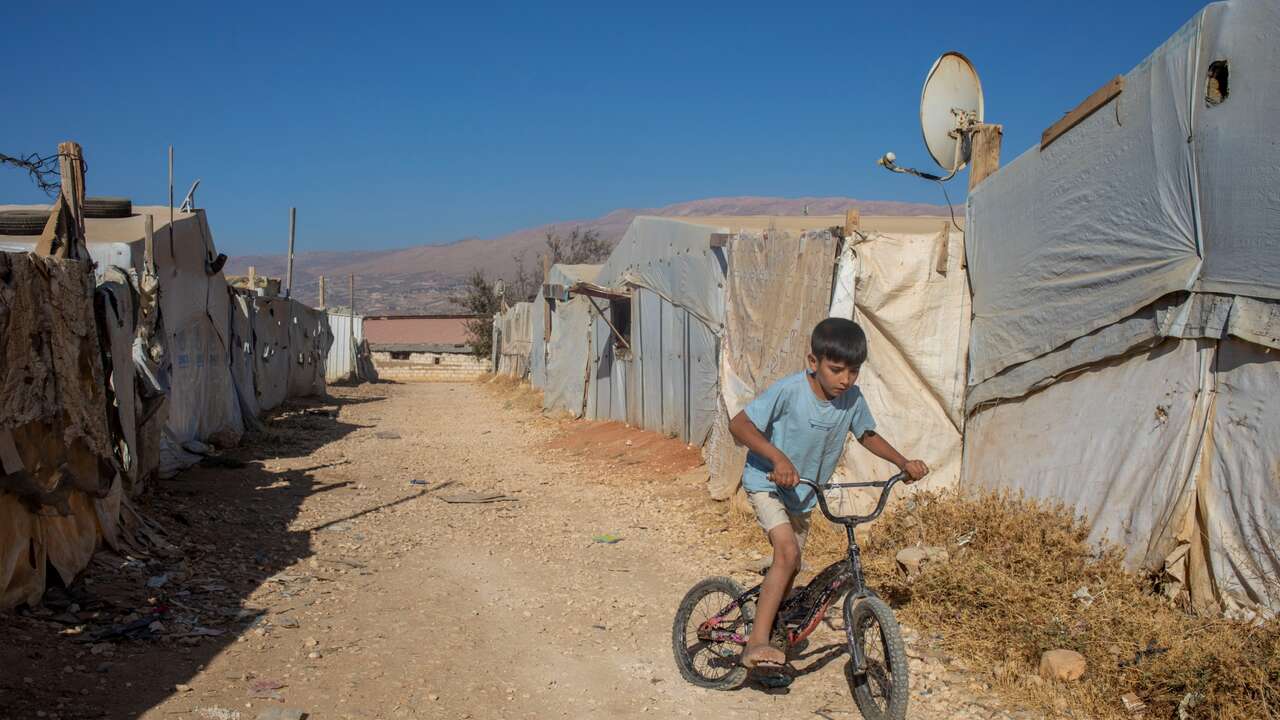
For the residents of southern Lebanon, the demolitions represent the latest chapter in a cycle of conflict and displacement that has defined life near the Israeli border for decades. Families who fled their homes during the fighting now face the prospect that there will be nothing to return to, as the military systematically erases the physical infrastructure of their communities.