Israel's Lebanon Ground Invasion Kills More Than 1,000, Displaces a Million as Hezbollah Fights Back
Israeli forces push toward the Litani River in the most ambitious ground offensive in Lebanon since 2006, as Lebanese health authorities confirm more than 1,000 dead and the UN warns of an accelerating humanitarian catastrophe.
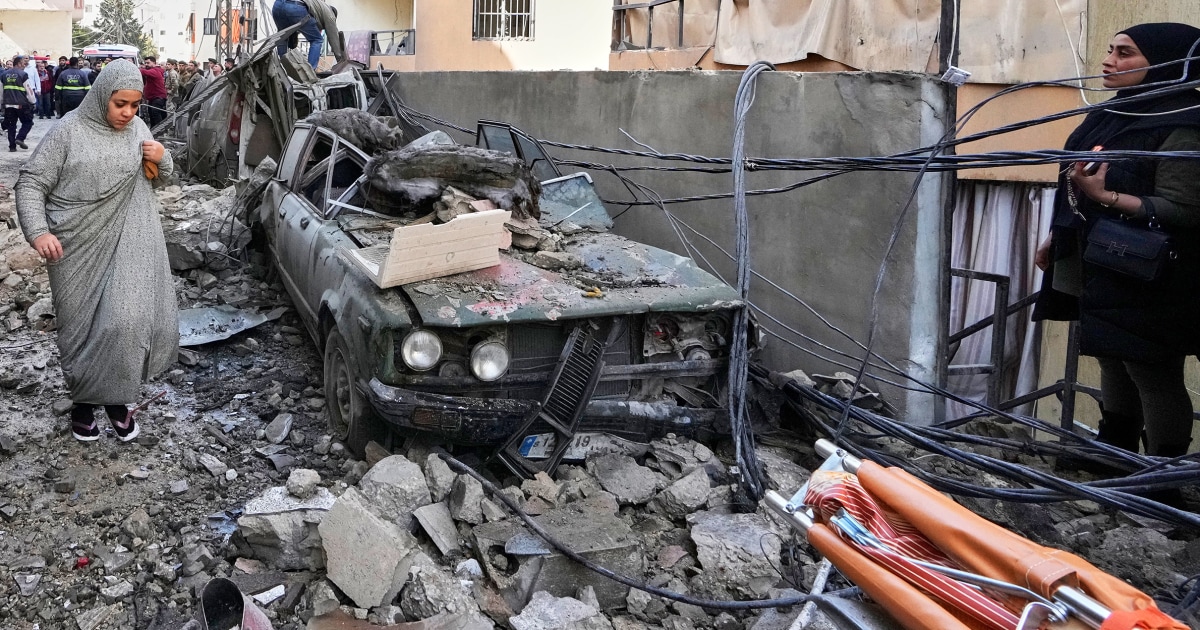
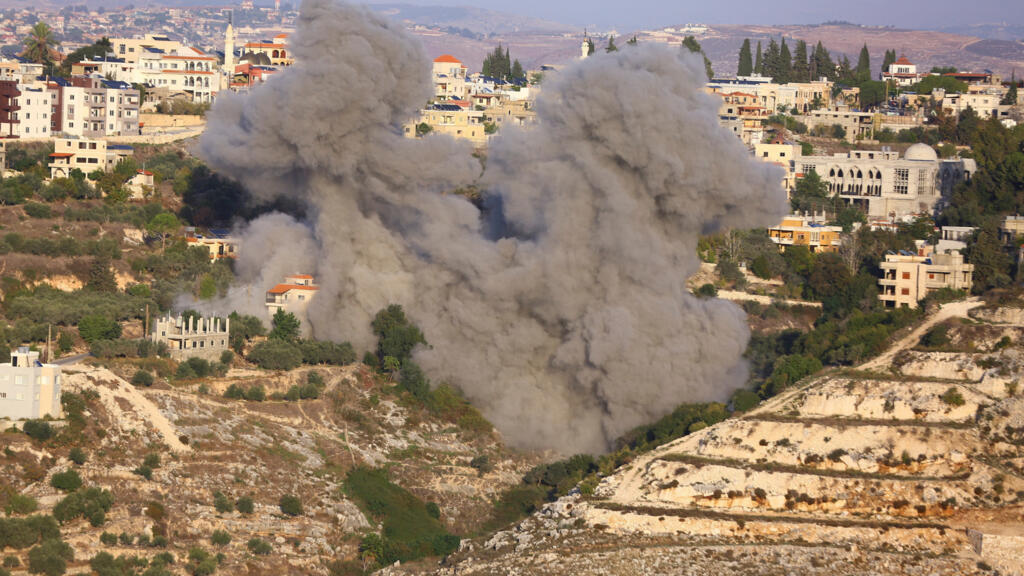
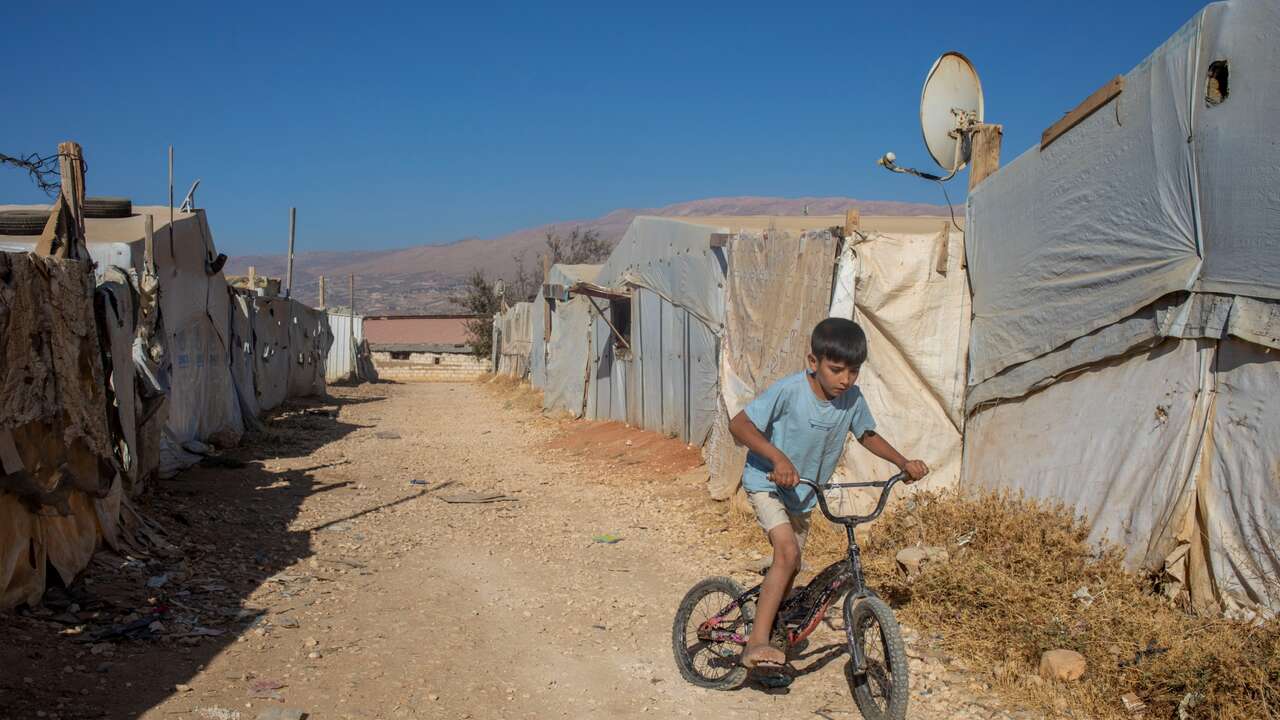
Israeli forces pressed deeper into southern Lebanon on Friday, as the Lebanese Health Ministry confirmed that more than 1,000 people had been killed since Israel launched its air and ground campaign on the northern front in early March — a toll that marked Lebanon as the deadliest battleground of the wider Middle East conflict outside Iran itself. The United Nations estimated that between 750,000 and one million Lebanese citizens have been displaced, representing approximately 19 percent of the country's entire population, in what aid organizations described as one of the fastest-developing humanitarian crises in the region since the 2006 war.
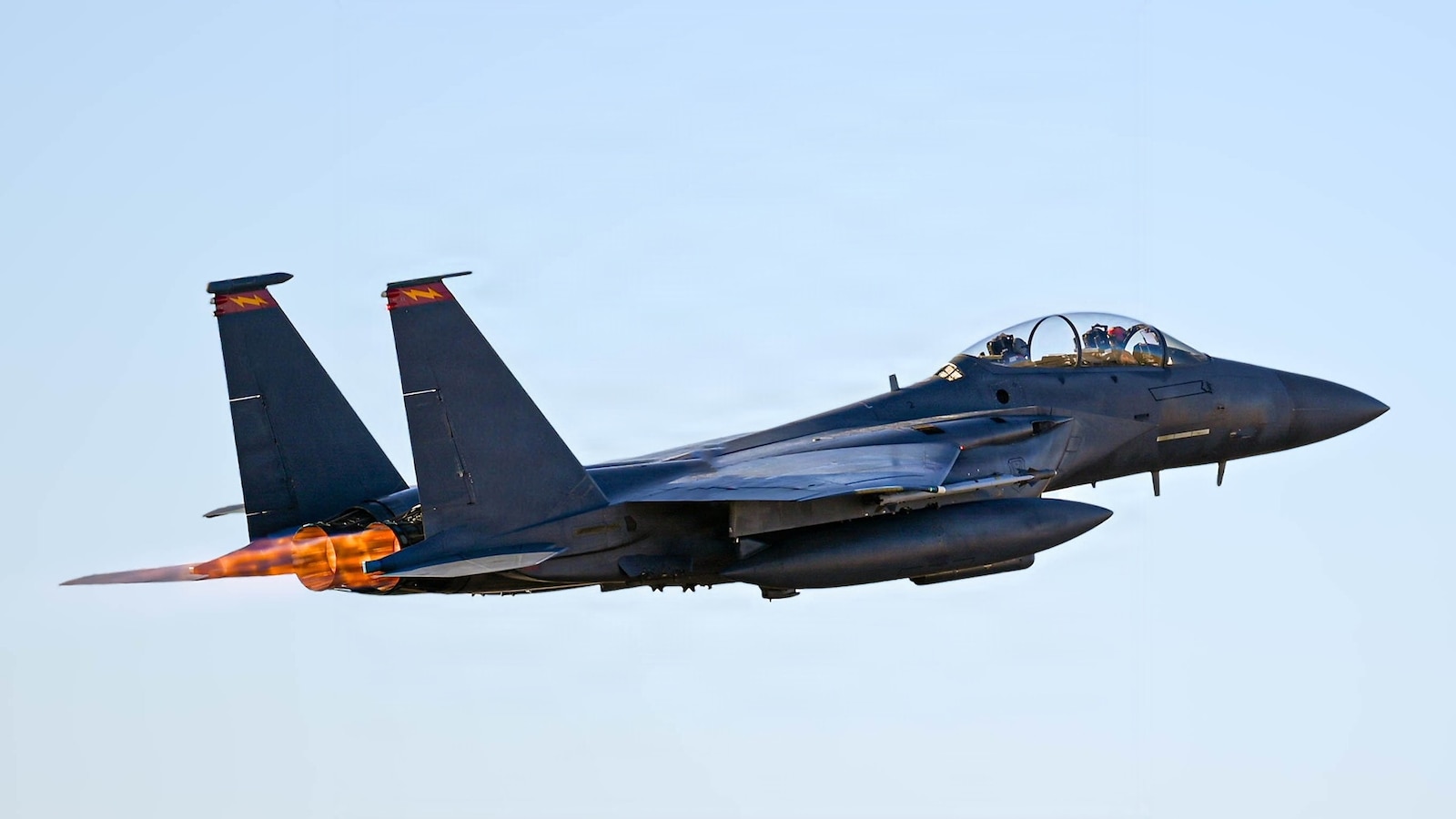
The Israel Defense Forces formally announced ground operations in southern Lebanon on March 16, framing the campaign as a "targeted operation against key targets" with the stated objective of establishing a "forward defense area" south of the Litani River. That river runs roughly 30 kilometers north of the Israeli-Lebanese border; seizing the territory between it and Israel would amount to the largest Israeli territorial acquisition in Lebanon since Israel's 2000 withdrawal from the south. The IDF says the strategic rationale is to permanently deny Hezbollah the launch positions it has used for decades to fire rockets and anti-tank missiles at Israeli civilian communities and military installations. "This is the forward defense area that will make northern Israel safe for the first time in a generation," an IDF spokesperson told reporters Friday.
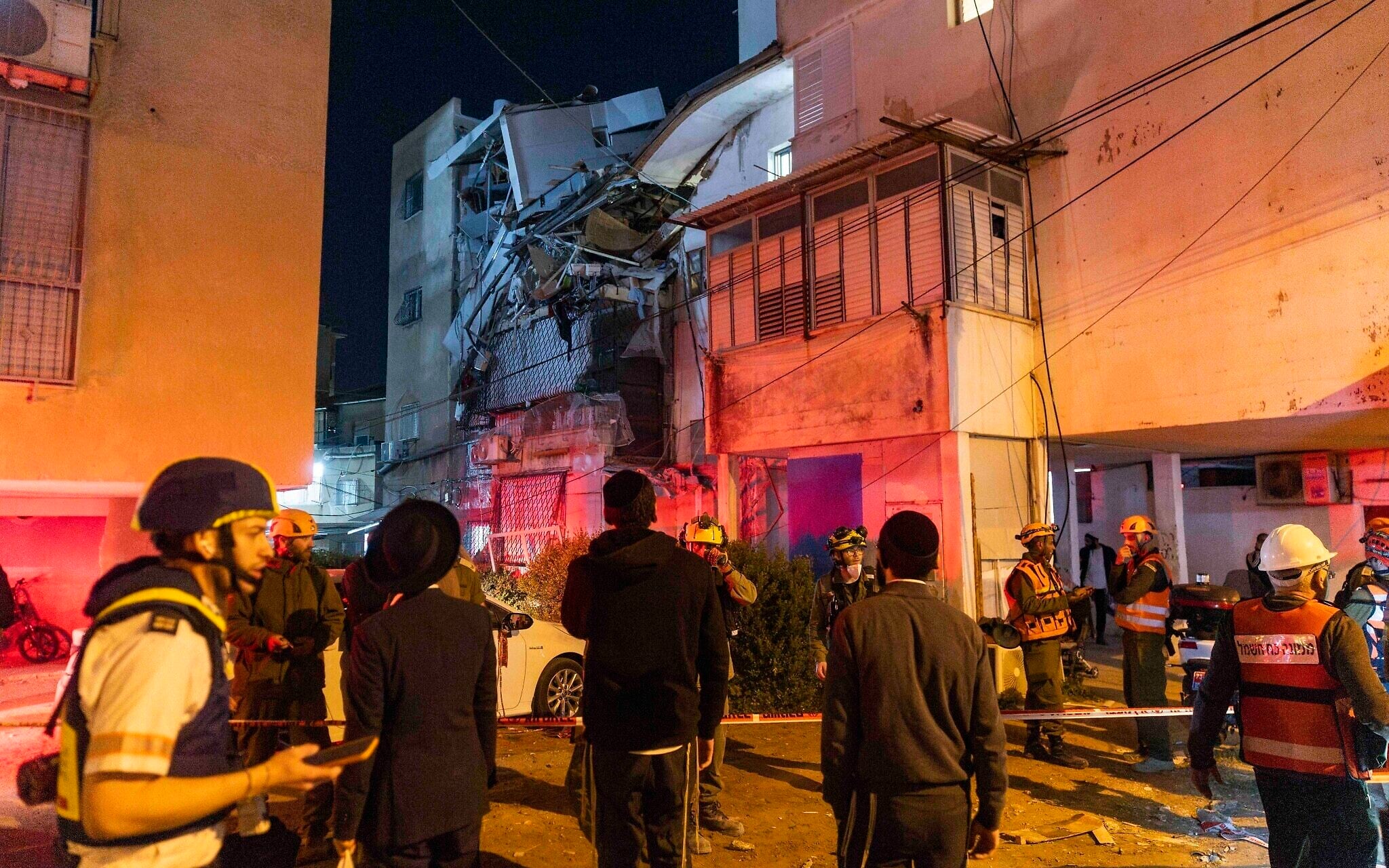
Hezbollah, fighting without direct Iranian state support for the first time since its founding in the 1980s, has mounted fierce resistance in the rocky, heavily tunneled terrain of the Amal triangle around Khiam — a fortified Hezbollah stronghold that IDF ground forces have been fighting to clear for over a week. Hezbollah fighters have employed anti-tank guided missiles, improvised explosive devices, and short-range rocket barrages against advancing Israeli armored columns. The group has also continued firing longer-range projectiles toward Haifa, Tiberias, and the Galilee region; Israel's Iron Dome and David's Sling interceptor batteries have achieved interception rates above 90 percent, but debris and fragments have injured dozens of Israeli civilians. The IDF estimates Hezbollah has exhausted roughly five-sixths of its pre-October 2023 rocket inventory, reducing it from an estimated 70,000 missiles to somewhere between 11,000 and 13,000 — still enough to sustain a prolonged rocket campaign.
The humanitarian situation in Lebanon is deteriorating rapidly. The World Health Organization reports that at least 40 healthcare workers have been killed in strikes on or near medical facilities, and hospitals in Beirut and the southern city of Tyre are reporting mass-casualty conditions. More than 300,000 people have fled Beirut's southern suburbs in the past seven days as Israeli strikes have hit densely populated Hezbollah neighborhoods and administrative infrastructure. The Lebanese government, paralyzed by years of political dysfunction and an ongoing economic collapse that wiped out most household savings, has few resources to manage the displacement. Prime Minister Nawaf Salam appealed to the UN Security Council for an emergency session, and France called for an immediate humanitarian corridor, but the United States vetoed a draft resolution demanding a ceasefire.
Israel's Defense Minister Israel Katz set out terms for any future de-escalation that appeared designed to forestall diplomatic pressure. "Hezbollah's disarmament — not a ceasefire, not a pause, not a negotiation — is the condition for any halt," Katz said Thursday. He added that Lebanon's government would be held responsible for Hezbollah attacks launched from Lebanese territory, a statement that alarmed Beirut officials who have long argued the Lebanese military lacks the capacity to enforce disarmament unilaterally. European allies — France, Germany, Italy, Britain, and the Netherlands — issued a joint statement warning that a full-scale Israeli occupation of southern Lebanon could trigger "devastating humanitarian consequences and a protracted conflict" and urged Israel to define limits on the operation's duration and geographic scope. Israeli Prime Minister Benjamin Netanyahu, appearing via video link from a secure location, dismissed the European statement as "well-intentioned interference from people who don't have to live within rocket range of Hezbollah."