Israel Launches Ground Offensive in Lebanon, Bombs Beirut Bridges as Regional War Expands
Israeli forces pushed across the Lebanese border on multiple fronts Friday, striking over 3,500 Hezbollah targets and bombing key road bridges in and around Beirut, killing more than 1,345 Lebanese civilians since the expanded campaign began.
BEIRUT — Israel launched a new ground offensive into Lebanon on Friday, striking dozens of Hezbollah targets across the country and bombing road bridges in and around Beirut, dramatically expanding a conflict that has killed more than 1,300 Lebanese civilians since Israel renewed large-scale operations alongside U.S. strikes on Iran.
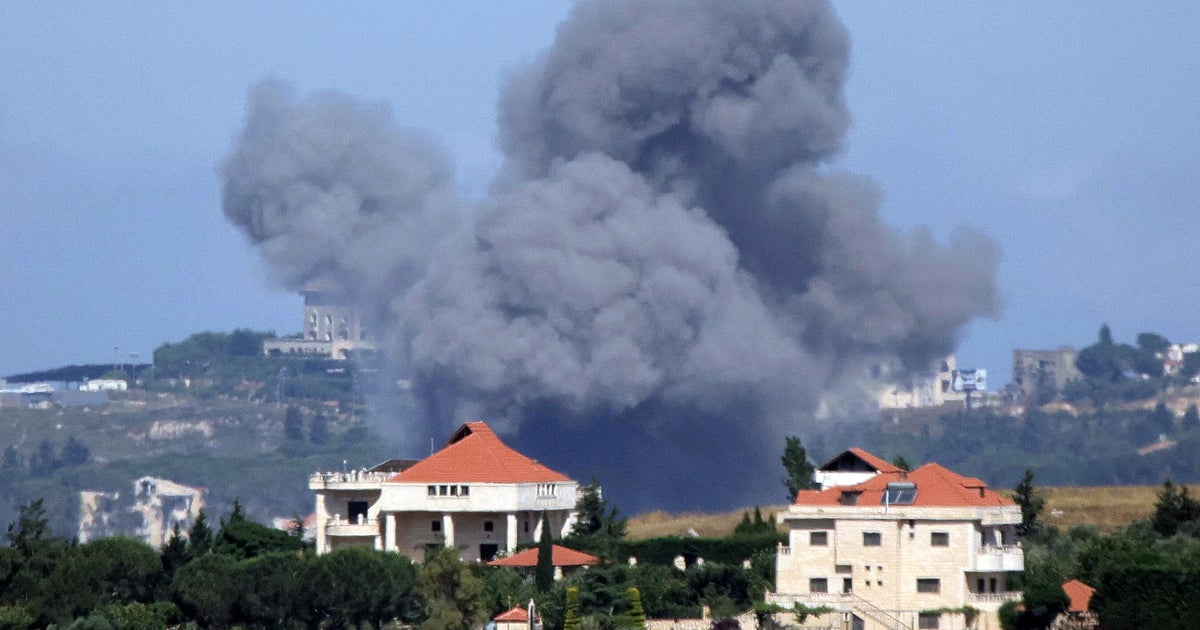
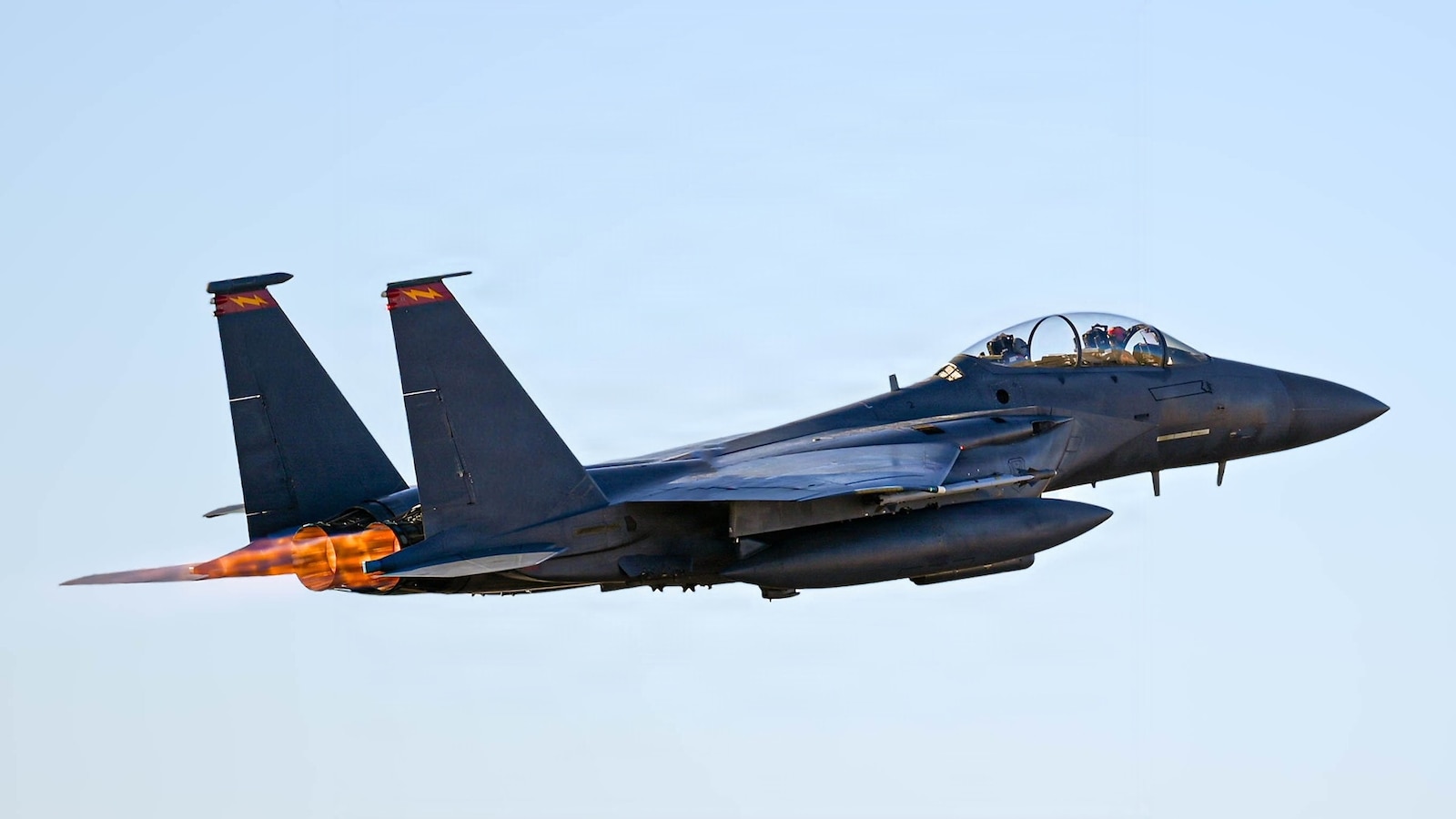
Israeli military forces pushed across the Lebanese border on multiple fronts as army aircraft conducted wave after wave of strikes on what the Israel Defense Forces described as Hezbollah command posts, weapons depots, and infrastructure used to resupply Iranian-backed fighters in Lebanon and Syria. The IDF said it had struck more than 3,500 targets across Lebanon since the current operational phase began, with Friday marking one of the most intense single days of the campaign.
The Lebanese Health Ministry reported on Friday that the death toll since the expansion of hostilities had reached 1,345 killed, including at least 125 children, and more than 4,000 people wounded. Hundreds of thousands of Lebanese civilians have fled their homes in the south and in Beirut's southern suburbs — the traditional base of Hezbollah's political and military power — with the United Nations warning that the scale of displacement was creating a humanitarian emergency.
Among Friday's most visible and symbolically charged strikes were attacks on road bridges in and around Beirut, including key arteries connecting the capital to the Bekaa Valley and southern Lebanon, which Israeli military officials said were being used to move weapons and fighters. The bridge strikes drew immediate international condemnation. Lebanon's caretaker government issued a formal protest to the United Nations Security Council, calling the destruction of civilian infrastructure a violation of international humanitarian law.
Hezbollah, weakened but not destroyed by more than a year of sustained Israeli airstrikes and the death of much of its senior leadership, continued to launch rocket and anti-tank missile fire into northern Israel throughout Friday. The Israeli military reported approximately 180 rockets and drones fired from Lebanon over a 24-hour period, with most intercepted by the Iron Dome and Arrow air defense systems. A strike on the northern Israeli city of Nahariya on Thursday wounded seven people, the latest in a sustained pattern of attacks that has kept northern Israeli communities in bomb shelters.
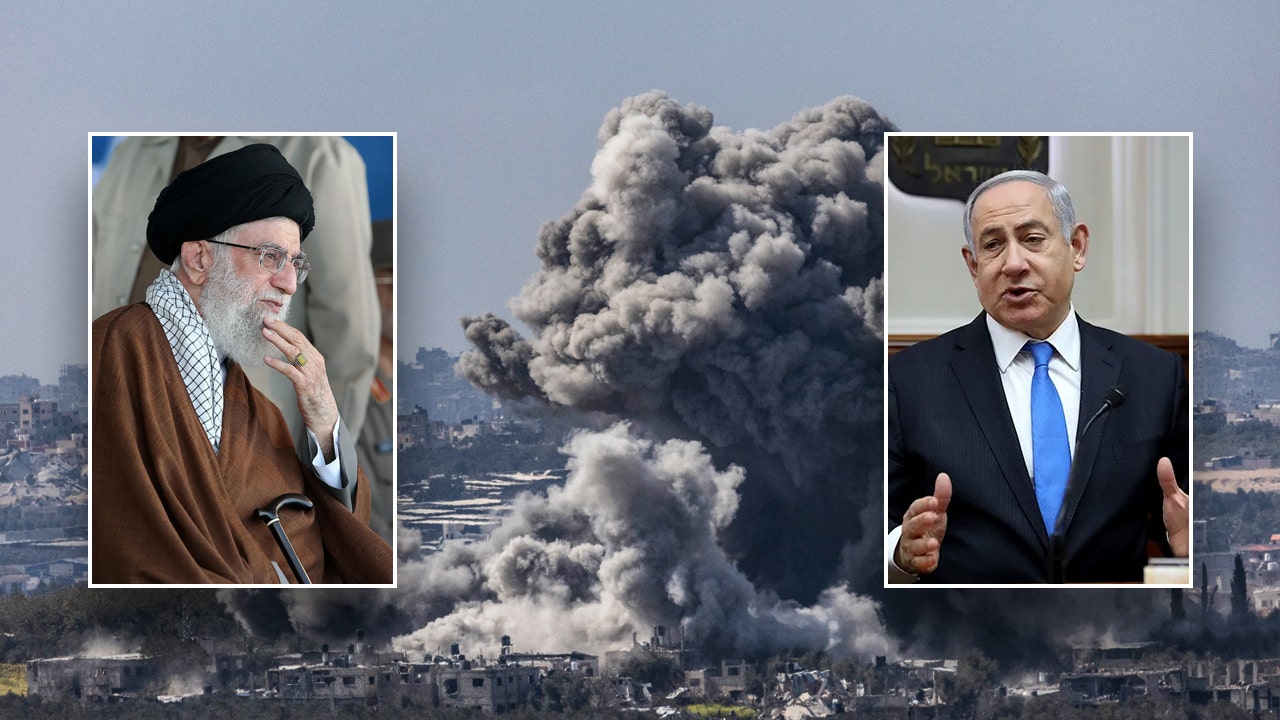
The ground offensive marks a significant escalation beyond the air and artillery campaign Israel has waged since renewing large-scale operations in coordination with the U.S. strikes on Iran. Israeli officials have said their aim is to permanently degrade Hezbollah's military capacity and establish a 10-kilometer buffer zone along the Lebanese border — but critics argue the current operation, with its targeting of civilian infrastructure deep inside Lebanon, goes far beyond any buffer zone objective.
The United Nations Secretary-General António Guterres called for an immediate cessation of hostilities and warned that Lebanon was 'sliding toward humanitarian catastrophe.' The UN humanitarian coordinator for Lebanon said medical supplies, food, and fuel were becoming critically scarce in areas cut off by road closures and bridge strikes.
French President Emmanuel Macron — who maintains historic diplomatic ties to Lebanon dating to France's mandate-era role in the region — called for emergency international talks. He warned that the scale of Israeli operations 'cannot continue without consequence' and appealed to the United States to press Israel for restraint. European governments have grown increasingly alarmed about the broader regional war's trajectory, with several EU foreign ministers issuing joint statements calling for a ceasefire that have been met with silence from Washington.
The Lebanese Armed Forces, which have largely avoided direct confrontation with Israel throughout the conflict, issued a statement Friday saying the army 'reserves the right to defend Lebanese territory' but stopped short of committing to military action. Lebanese Prime Minister Nawaf Salam, who took office in February following a political deal that ended an 18-month government vacuum, appealed directly to the United States and France to secure a ceasefire before Lebanon's state institutions — already severely strained — collapsed entirely.