Israel Kills Iran's Navy Chief, Strikes 'Heart of Tehran' as War Enters Day 27
Israeli airstrikes overnight eliminated Alireza Tangsiri, who oversaw the IRGC's blockade of the Strait of Hormuz, and hit dozens of weapons production sites across the capital.
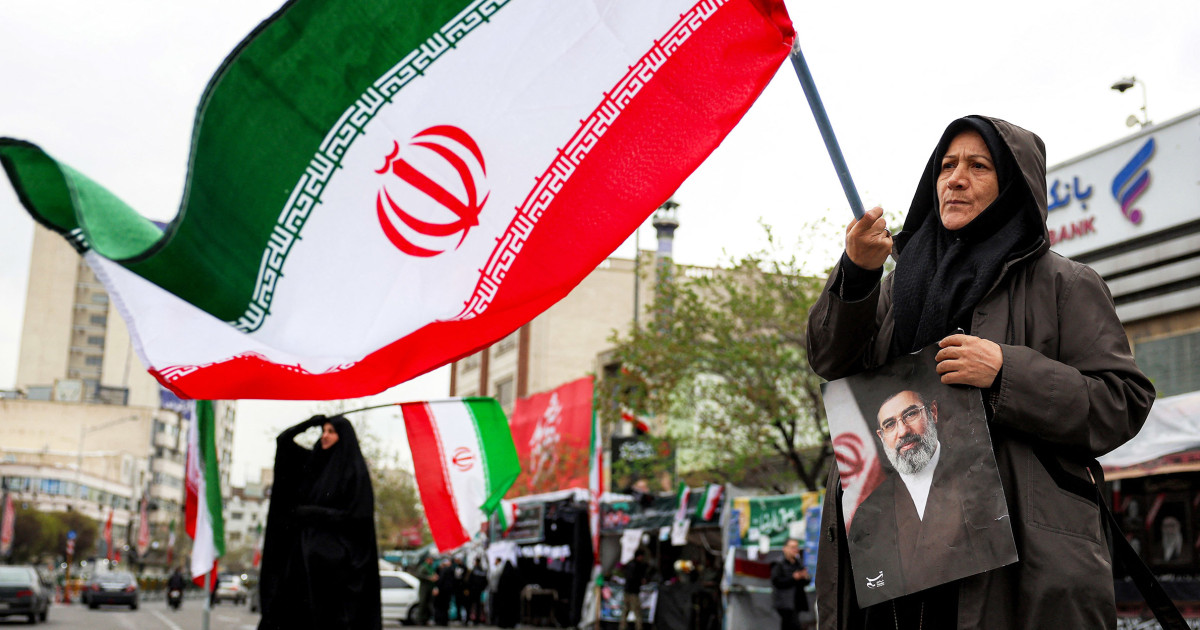
Israel announced Friday that it had killed Alireza Tangsiri, the commander of the Islamic Revolutionary Guard Corps Navy, in overnight airstrikes that also targeted dozens of weapons production and missile launch facilities across Tehran. The death of the officer who had directed Iran's blockade of the Strait of Hormuz marked one of the most significant eliminations of the war's 27 days, according to Israeli military officials.
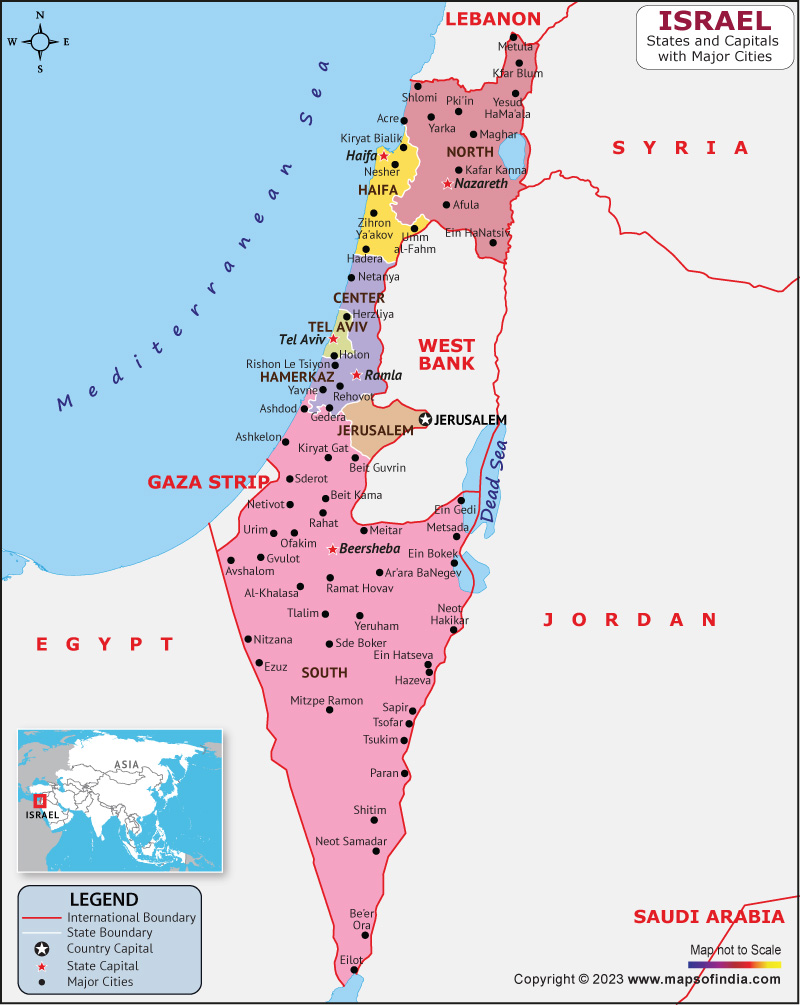
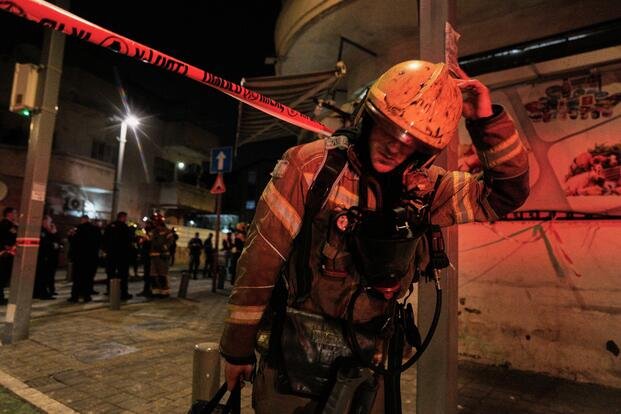
Israeli Defense Minister Israel Katz warned that the military campaign would "intensify and expand to additional targets and areas that assist the regime," following what he described as a third consecutive night of Iranian ballistic missile barrages targeting Israeli civilian population centers. An Iranian missile struck the coastal city of Netanya on Thursday, and the Israel Defense Forces reported intercepting six ballistic missiles and nine unmanned aerial vehicles launched from Iranian positions and proxy forces in the Gulf on Friday.
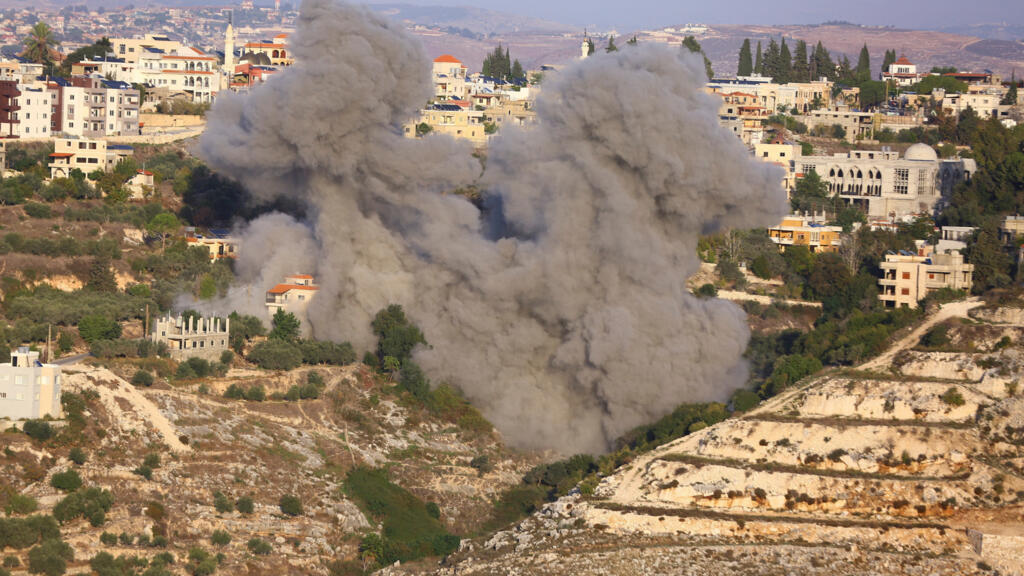
The overnight raids struck Iran's missile and sea mine production facility in Yazd, a central Iranian city previously considered beyond the regular operational tempo of the campaign. The Khondab heavy water complex near Arak — which had been used to produce plutonium for Iran's nuclear program — was also hit. A provincial official in Khondab acknowledged the strike but reported no casualties among facility workers, suggesting the complex may have already been evacuated in anticipation of the assault. The Israeli Air Force said it struck more than 40 targets across Iran's capital region during the raid, calling it "a wide-scale wave of strikes targeting infrastructure of the Iranian terror regime in the heart of Tehran."
The Pentagon, which has provided intelligence, aerial refueling and strike aircraft to the operation, said Thursday it was still considering sending up to 10,000 additional ground troops to the Middle East — a deployment that would bring total U.S. forces in the region to more than 60,000. Thirteen American service members have been killed and 303 wounded since operations began, with 30 soldiers still listed as out of action as of Friday. Those figures have become a source of significant political friction at home, with 59% of Americans telling Pew Research this week that the U.S. made the wrong decision in using military force against Iran.
Diplomatically, the morning brought mixed signals. Trump extended his ultimatum for Iran to reopen the Strait of Hormuz to April 6, claiming talks were "going very well," though Iranian officials continued to publicly deny any formal negotiations with Washington. A senior Iranian Foreign Ministry official confirmed only that the U.S. had delivered "points through mediators" that were "being reviewed." The contradictory public statements reflect the extreme sensitivity of any peace overtures in a conflict that has already killed more than 1,900 people in Iran, more than 1,100 in Lebanon and 15 in Israel, destabilized global energy markets and pushed oil prices to more than $108 per barrel — up over 40% since the war started — while consumer confidence in the United States has fallen to its lowest reading in three years, according to the University of Michigan's March survey.