Israel Eliminates IRGC Intelligence Chief Khademi and Quds Force Special Ops Commander in Coordinated Strikes
The IDF confirmed Monday that Brigadier General Majid Khademi, effectively the IRGC's number two intelligence officer, and Quds Force commander Asghar Bagheri were both killed in precision strikes on April 6.
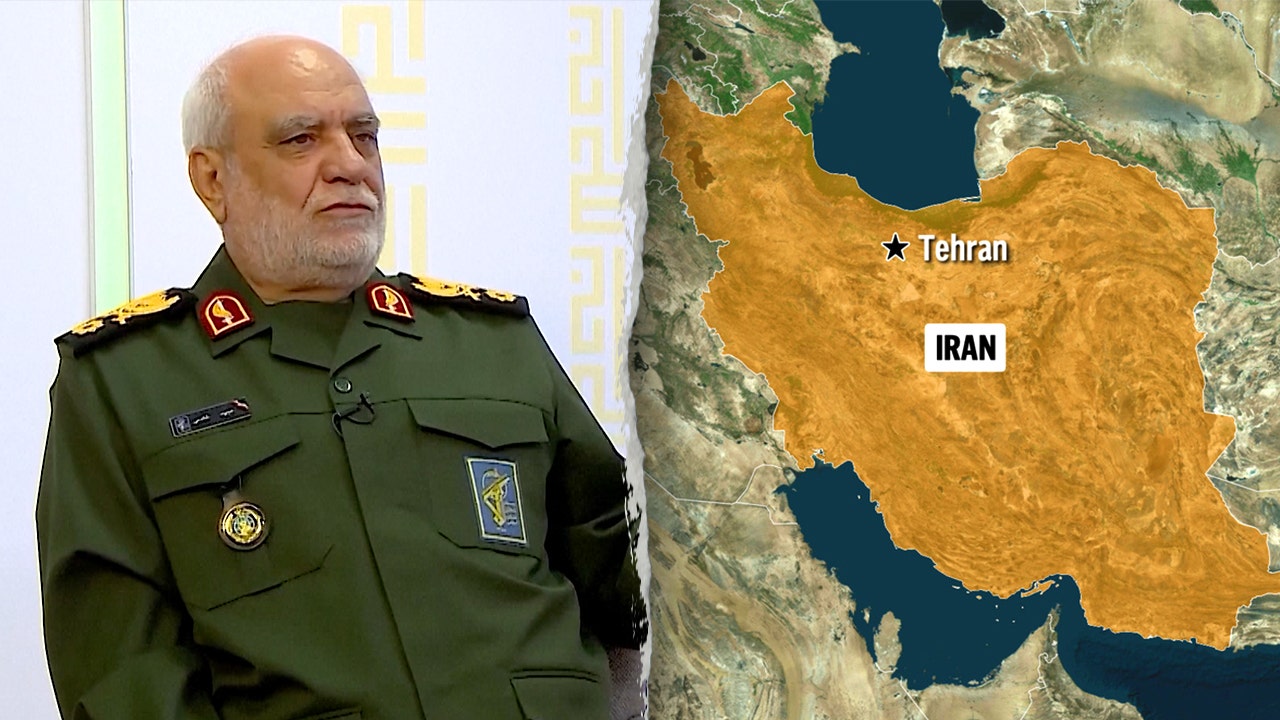
Israel's military confirmed Monday that it had eliminated Brigadier General Majid Khademi, the head of intelligence for Iran's Islamic Revolutionary Guard Corps, in a precision airstrike that also killed Asghar Bagheri, the commander of the Quds Force's Special Operations Unit — two of the most senior Iranian military figures to die since the conflict began on February 28.
Khademi, who was effectively the IRGC's number two intelligence officer, had survived multiple previous Israeli and American targeting operations and was considered one of the three most senior figures in the entire Revolutionary Guards organization. "He kept moving, relocating, but ultimately he was hunted down and eliminated," a senior Israeli official told Fox News. "He was one of the last serious intelligence managers left standing in the IRGC."
The IDF confirmed on X that Khademi had been "deeply involved in attempts to penetrate U.S. systems, including efforts to breach the Pentagon," and had "coordinated extensively with Russia" in intelligence-sharing operations. He previously headed the IRGC's Intelligence Protection Organization, the unit responsible for internal surveillance of Iranian citizens, monitoring dissident activity, and counter-espionage against Israeli and American operatives.
Bagheri, Khademi's counterpart from the Quds Force, was separately confirmed killed in a different strike conducted in the early morning hours of Monday. The Quds Force is the IRGC's elite external operations branch, responsible for supporting Hezbollah, Hamas, and other regional proxies. Bagheri had personally commanded operations targeting Israeli soldiers along the Syria-Israel border and orchestrated attacks on American military forces stationed in Iraq and Syria, according to IDF statements.
The back-to-back eliminations came just hours before President Trump was scheduled to hold a news conference at the White House and represent the latest in a systematic effort to decapitate Iran's military and intelligence leadership since the war began. Supreme Leader Ali Khamenei was killed in the opening salvo on February 28. In the weeks since, Israel and the United States have killed dozens of senior IRGC and military commanders, though the pace had slowed as the organization dispersed and went deeper underground.
Iran's official news agency IRNA confirmed the deaths of both officials on Monday afternoon but offered no additional details, in keeping with the government's pattern of minimizing public acknowledgment of military losses. Tehran's foreign ministry described the strikes as "crimes against humanity" and vowed a "crushing response."
The killing of Khademi is significant not only for its operational impact but for its symbolic value: the IRGC's intelligence apparatus has been the backbone of Iran's domestic security state and its foreign influence network for decades. Analysts say the systematic elimination of its senior leadership has severely degraded Iran's ability to plan and coordinate complex operations across the region.
"We are methodically working through the command structure," a senior U.S. defense official, speaking on background, told reporters following the IDF confirmation. "The goal is not just to degrade their capabilities on the battlefield but to permanently reduce their ability to threaten U.S. forces and our allies in the region."
Both men's deaths came on the same day that Iran rejected the latest ceasefire proposal and Trump extended his Strait of Hormuz ultimatum to 8 p.m. Tuesday. Officials in Washington and Tel Aviv say the pressure campaign — combining military strikes with diplomatic ultimatums — is intended to create conditions that compel Tehran to accept a negotiated settlement on terms favorable to U.S. and Israeli interests. More than 2,000 Iranians have died in the conflict, along with 15 American service members and 27 Israeli civilians.