Iran War Intensifies as Tehran Launches New Missile Barrage After U.S. Claims Diplomatic Progress
Iranian missiles strike Tel Aviv and other Israeli cities while also hitting Kurdish Iraq and Emirati forces in Bahrain, escalating regional conflict.

Iran launched its most extensive missile attack of the conflict on Tuesday, striking targets across Israel, Kurdish regions of Iraq, and Emirati forces stationed in Bahrain, in a dramatic escalation that came just hours after the Trump administration claimed to be making diplomatic progress toward a cease-fire. The barrage killed dozens and wounded hundreds, according to initial reports from the affected areas.
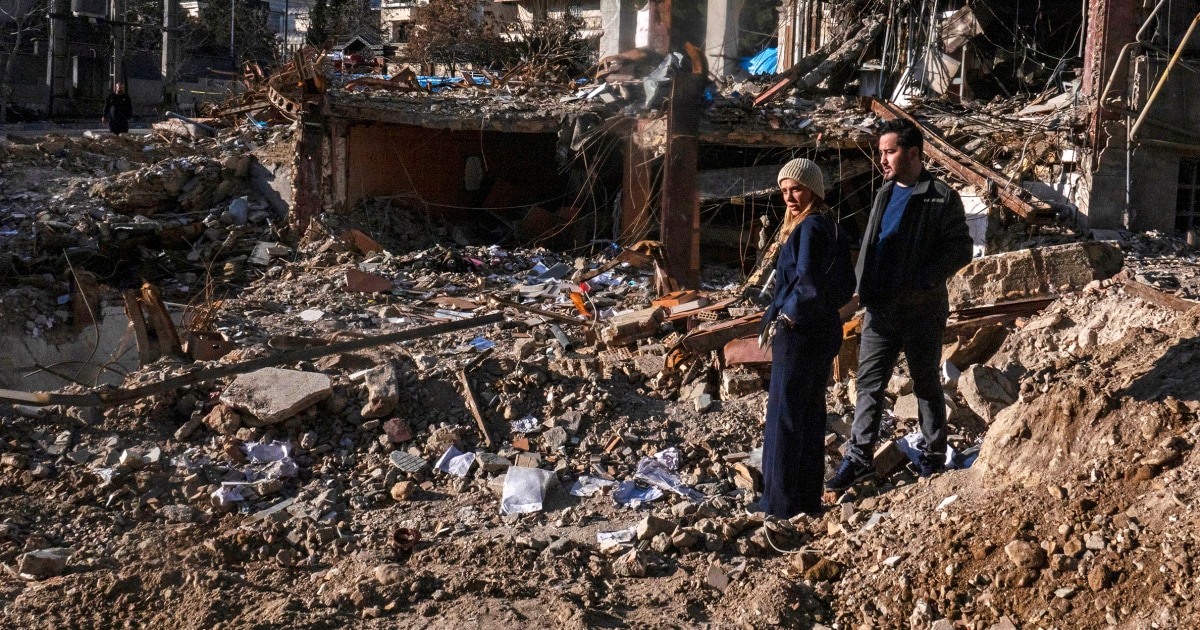
The attacks began in the early morning hours with a wave of ballistic missiles targeting Tel Aviv and other major Israeli population centers. Israeli air defense systems intercepted the majority of the incoming projectiles, but several struck residential and commercial areas, causing casualties and significant structural damage. Israeli emergency services reported multiple fatalities and dozens of injuries from the strikes.
In a separate but coordinated assault, Iranian missiles targeted Kurdish military positions in northern Iraq, an area that Tehran has long accused of harboring Iranian Kurdish opposition groups. Iraqi Kurdish officials said the strikes hit both military installations and civilian areas, killing at least 15 people and wounding dozens more.
The third prong of the attack targeted facilities in Bahrain used by Emirati forces that have been participating in the U.S.-led coalition. The strikes on Bahrain represented a significant expansion of the conflict's geographic scope, raising concerns that the war could spread further across the Persian Gulf region.
Iran's Islamic Revolutionary Guard Corps claimed responsibility for all three attacks, describing them as a response to continued American and Israeli airstrikes on Iranian territory. A military spokesperson said the strikes demonstrated Iran's ability to project power across the region and warned that further attacks would follow if hostilities continued.
The timing of the attacks was particularly notable given the diplomatic context. Just hours before the missiles were launched, administration officials had briefed reporters on what they characterized as encouraging signals from indirect negotiations with Tehran. The juxtaposition between the diplomatic optimism and the military reality underscored the enormous challenges facing peace efforts.
President Trump condemned the attacks and promised a forceful response. In a statement from the White House, he said Iran would pay a heavy price for targeting American allies and partners. The Pentagon confirmed that additional retaliatory strikes against Iranian military targets were being planned.
Israeli Prime Minister Benjamin Netanyahu convened an emergency security cabinet meeting and vowed that Israel would respond with overwhelming force. Israeli military officials said preparations for expanded operations against Iranian military infrastructure were being accelerated.
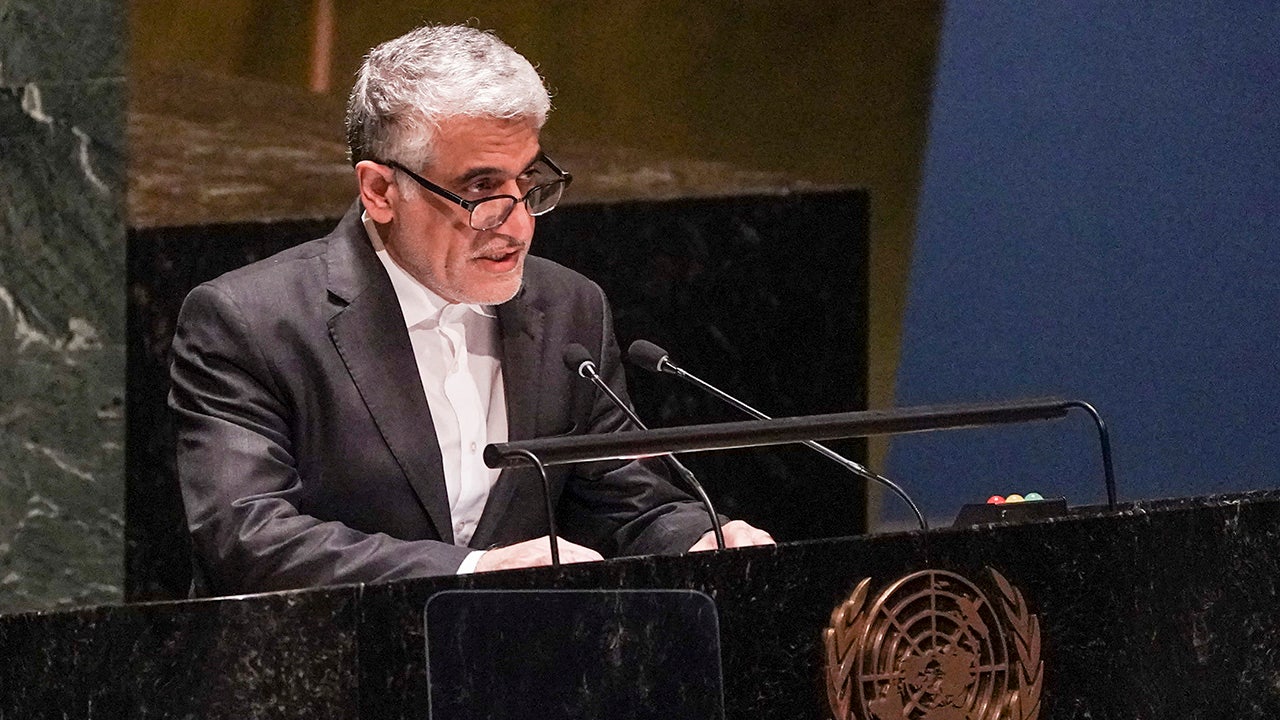
The international community reacted with alarm. The United Nations Secretary-General called for an immediate de-escalation and urged all parties to return to diplomatic channels. European leaders issued statements condemning the attacks while calling for restraint from all sides.
Oil prices surged to their highest levels since the conflict began, with Brent crude briefly exceeding $115 per barrel before settling slightly lower. Financial markets across the globe fell sharply as investors assessed the implications of the escalation for the global economy.
Military analysts said the scope and coordination of the Iranian attacks suggested a deliberate strategic decision to demonstrate that Tehran retained significant military capabilities despite weeks of American and Israeli strikes. The attacks on three separate countries simultaneously represented a level of operational ambition that exceeded Iran's previous military actions during the conflict.