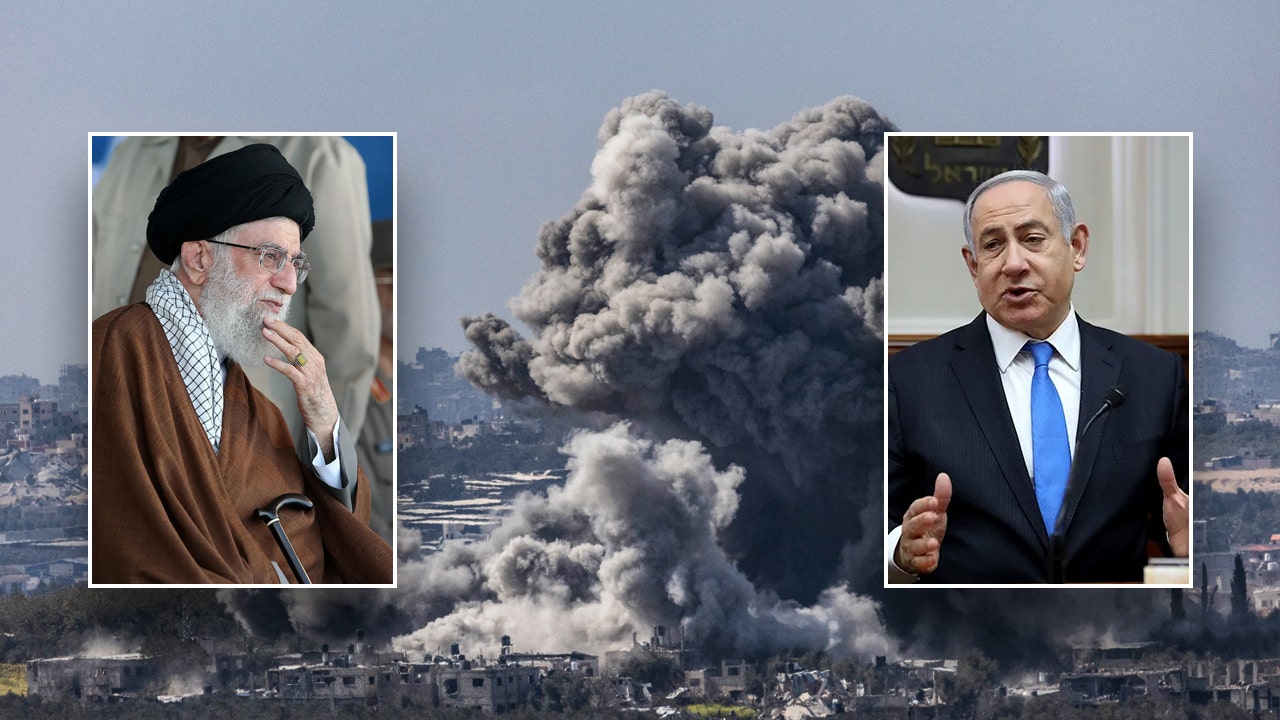
39 Days, 3,400 Dead: The Full Human Cost of the Iran War as Ceasefire Takes Hold
Fifteen American service members were among the dead when the guns fell silent — while Iran counted thousands of its own, and Lebanon, Kuwait, and Yemen bore the spillover.
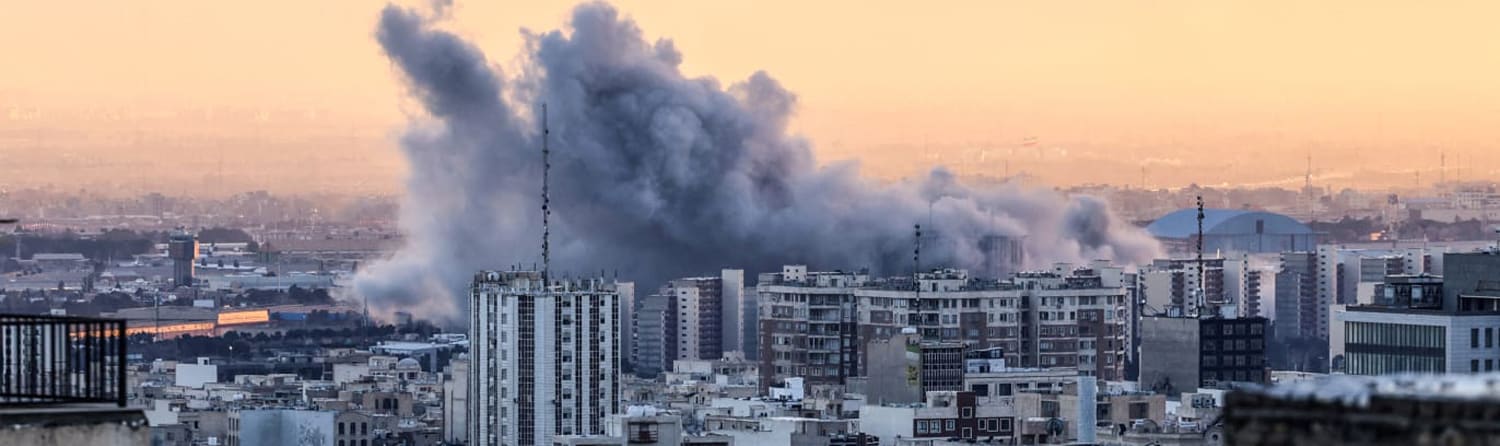
The two-week ceasefire between the United States and Iran took effect on Wednesday, April 8, after 39 days of fighting that killed more than 3,400 people across the Middle East, wounded at least 14,000 more, and produced the worst regional humanitarian crisis since the 2006 Lebanon war. For the families of the 15 American service members who died and the hundreds wounded, the announcement offers a fragile pause — not an ending.
The war began on February 28, 2026, when U.S. and Israeli aircraft launched coordinated strikes on Iranian nuclear and military targets in what the Pentagon called Operation Epic Fury. Within hours, Iran retaliated with hundreds of drones and ballistic missiles aimed at American bases across Kuwait, Qatar, Bahrain, Saudi Arabia, and Israel. The first six American deaths came the same night, when an Iranian suicide drone struck an operations center at Shuaiba port in Kuwait with no warning and no time for shelter. Sgt. 1st Class Noah Tietjens, who was killed in a separate attack in Kuwait on March 1, was among those publicly identified. By mid-March, the official Pentagon toll stood at 13 dead and approximately 200 wounded.
On the Iranian side, casualty figures remain disputed and difficult to verify. The Wikipedia-aggregated tally of open-source reports places Iranian military and civilian deaths at between 2,076 and more than 7,300, with the wide range reflecting Iran's information blackout and the destruction of record-keeping infrastructure in affected provinces. Khuzestan and Tehran provinces bore the heaviest civilian losses after strikes on oil refineries, power plants, and transportation hubs. Human rights organizations documented attacks on at least four hospitals and two university campuses, raising war crimes concerns that the International Criminal Court's chief prosecutor said were 'under active preliminary examination.'
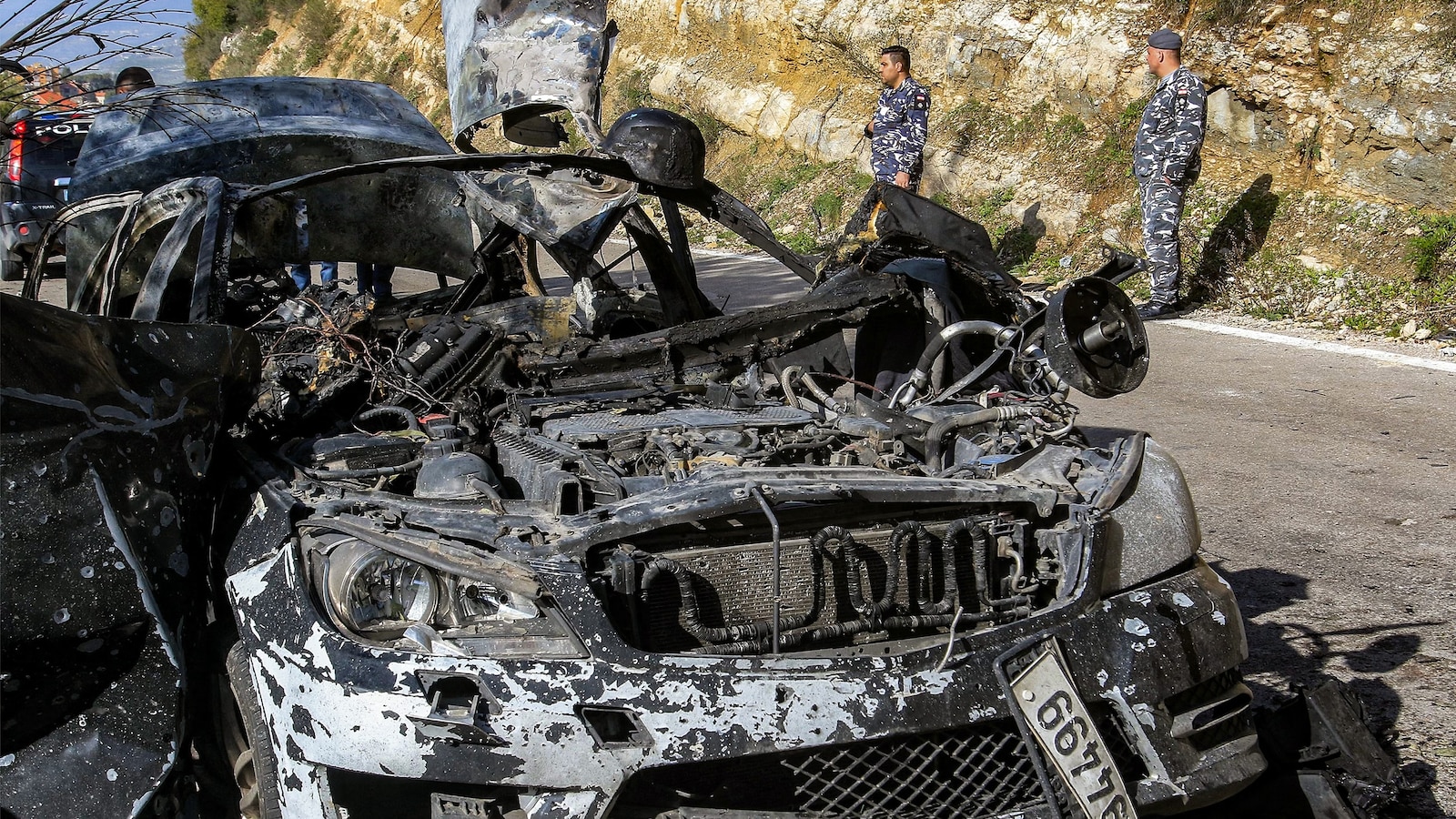
In Lebanon, where Israel continued operations against Hezbollah throughout the conflict and maintained them even after the ceasefire, at least 1,530 people have been killed, according to the Lebanese Health Ministry. Israeli forces lost 12 soldiers and 27 civilians, including victims of Hezbollah rocket strikes on northern communities. The Gaza Strip, already devastated by the 2023-2025 conflict, saw secondary spillover violence that killed an additional 180 people according to UN estimates.
The Iran war's humanitarian dimension extends to displacement. The United Nations High Commissioner for Refugees estimated that 1.2 million people were internally displaced within Iran by early April, the majority fleeing oil-producing regions targeted by Israeli and American strikes. More than 120,000 Iranians had crossed into Turkey by April 5, overwhelming border processing facilities and straining Turkish social services. The World Food Programme warned that fuel shortages caused by the Strait of Hormuz blockade had disrupted food distribution in 23 countries, with Yemen, Somalia, and Bangladesh identified as facing acute secondary food crises.
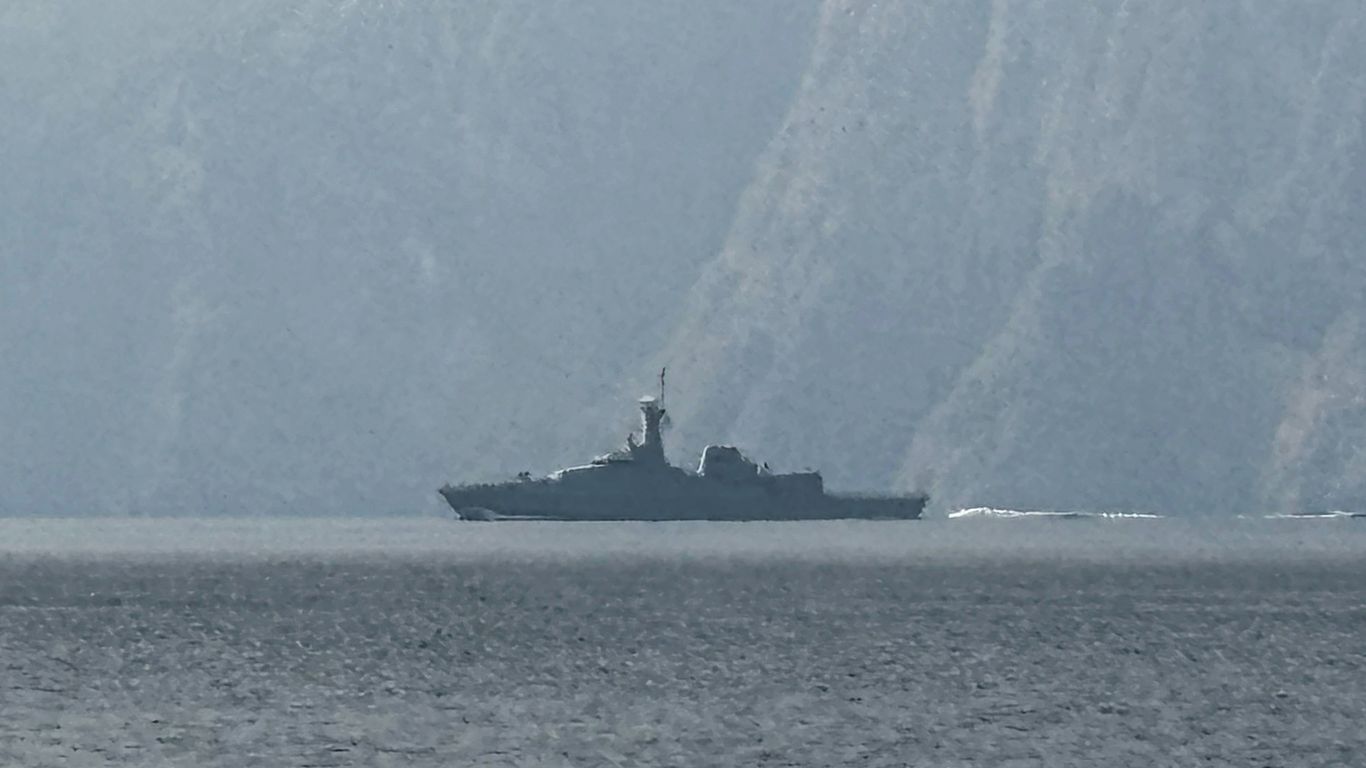
Defense Secretary Pete Hegseth, at a press conference Wednesday, described the operation as a 'decisive military victory' that rendered Iran's ballistic missile and drone capabilities 'combat ineffective for years,' destroyed the Iranian navy, and dismantled Iran's defense industrial base. Gen. Dan Caine, chairman of the Joint Chiefs, honored the 15 service members killed but cautioned that U.S. forces 'remain ready to continue combat operations if called upon.' Caine's careful language reflected the uncertainty hanging over a ceasefire conditioned on Iran's full reopening of the Strait of Hormuz — a waterway that carries a fifth of the world's oil and whose status will now be tested in diplomatic talks beginning in Islamabad on Friday.